
Last updated November 15, 2026
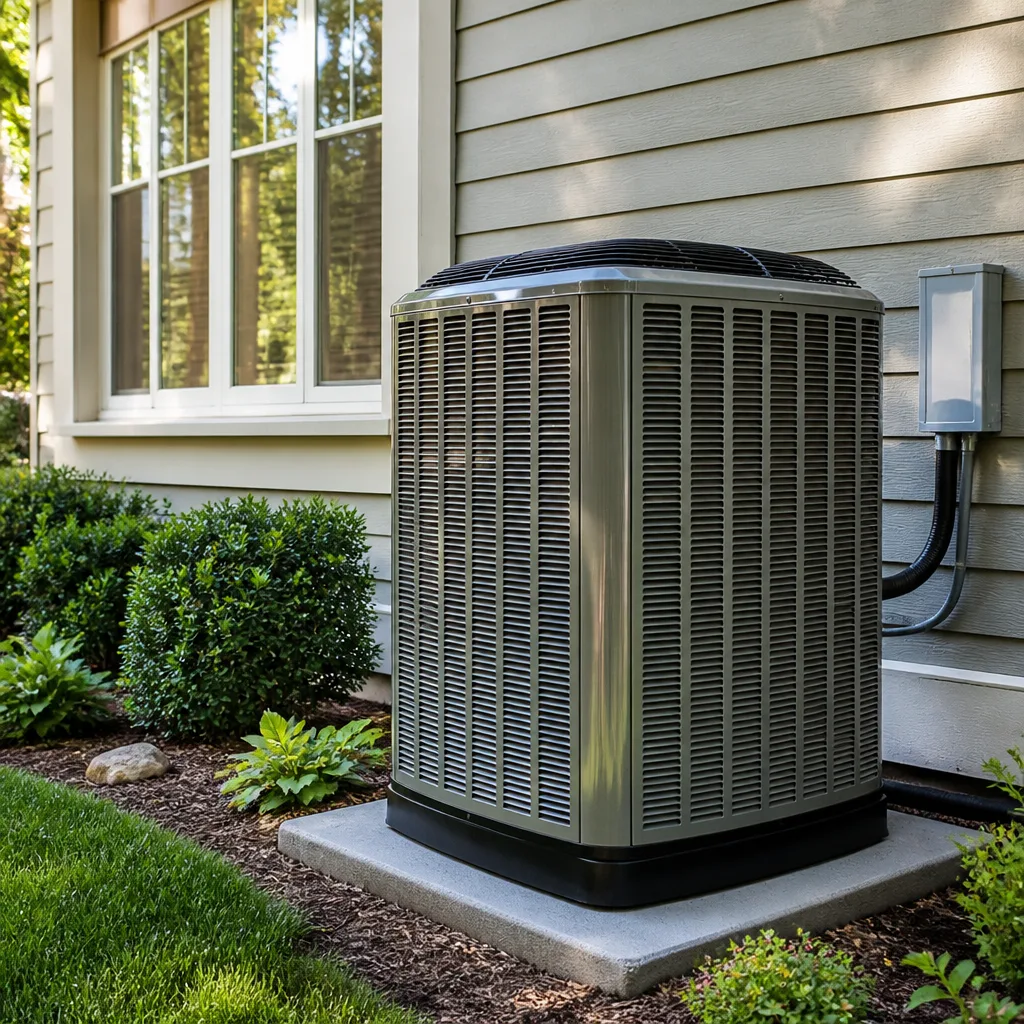 AC repair
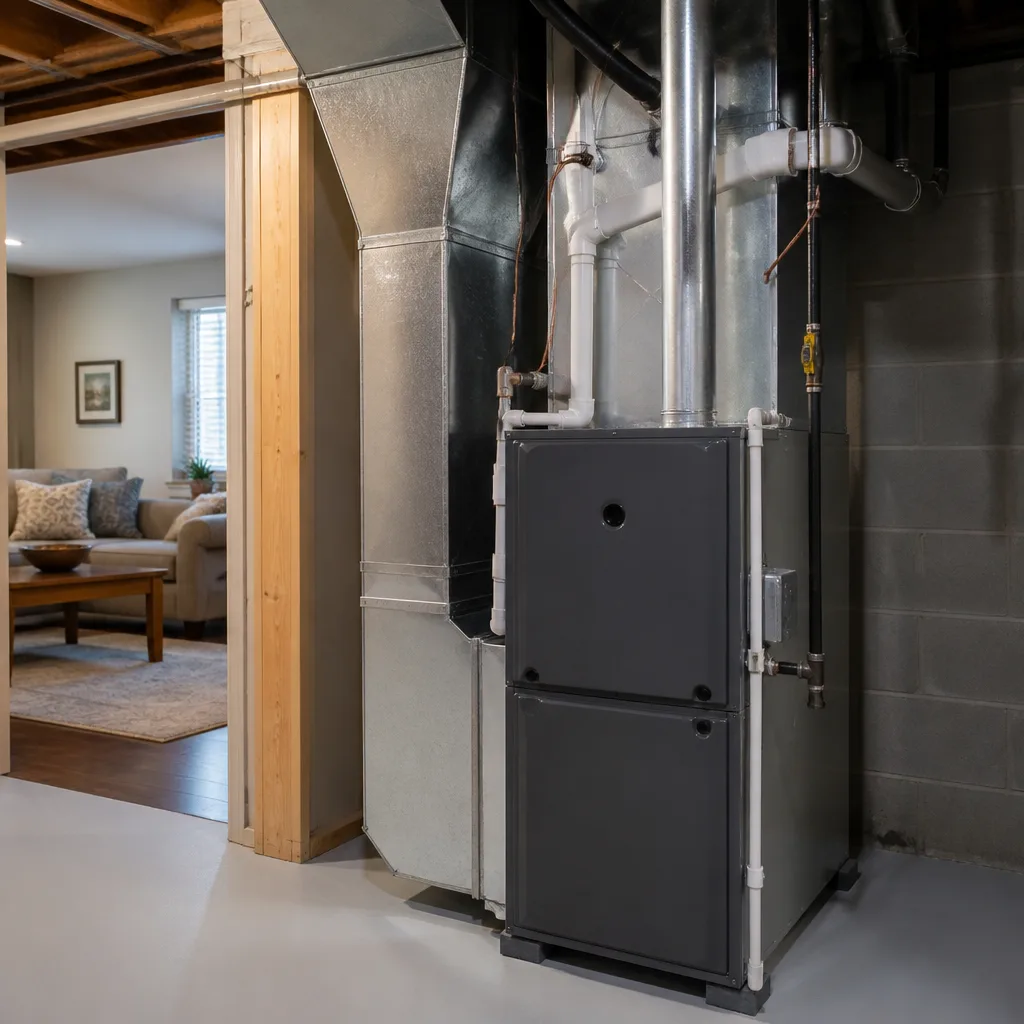 Furnace & heating
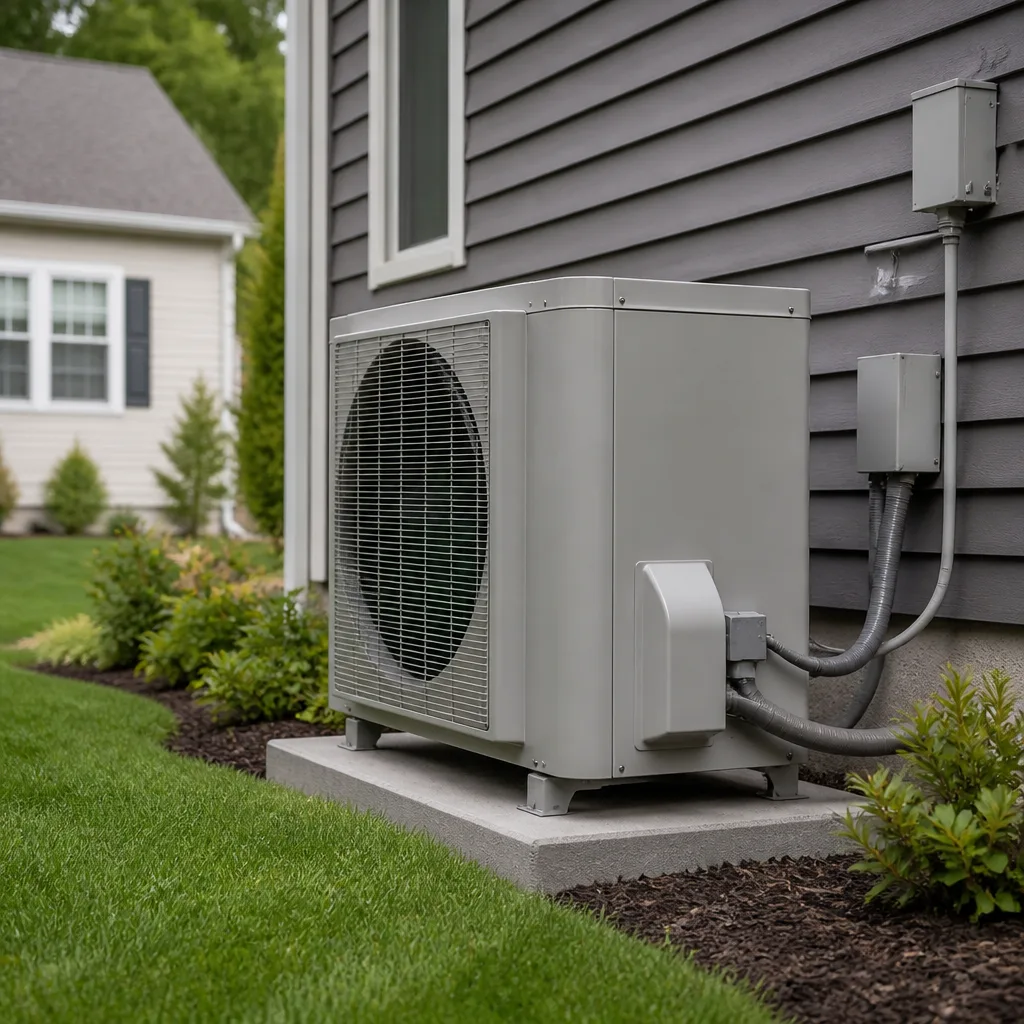 Heat pumps
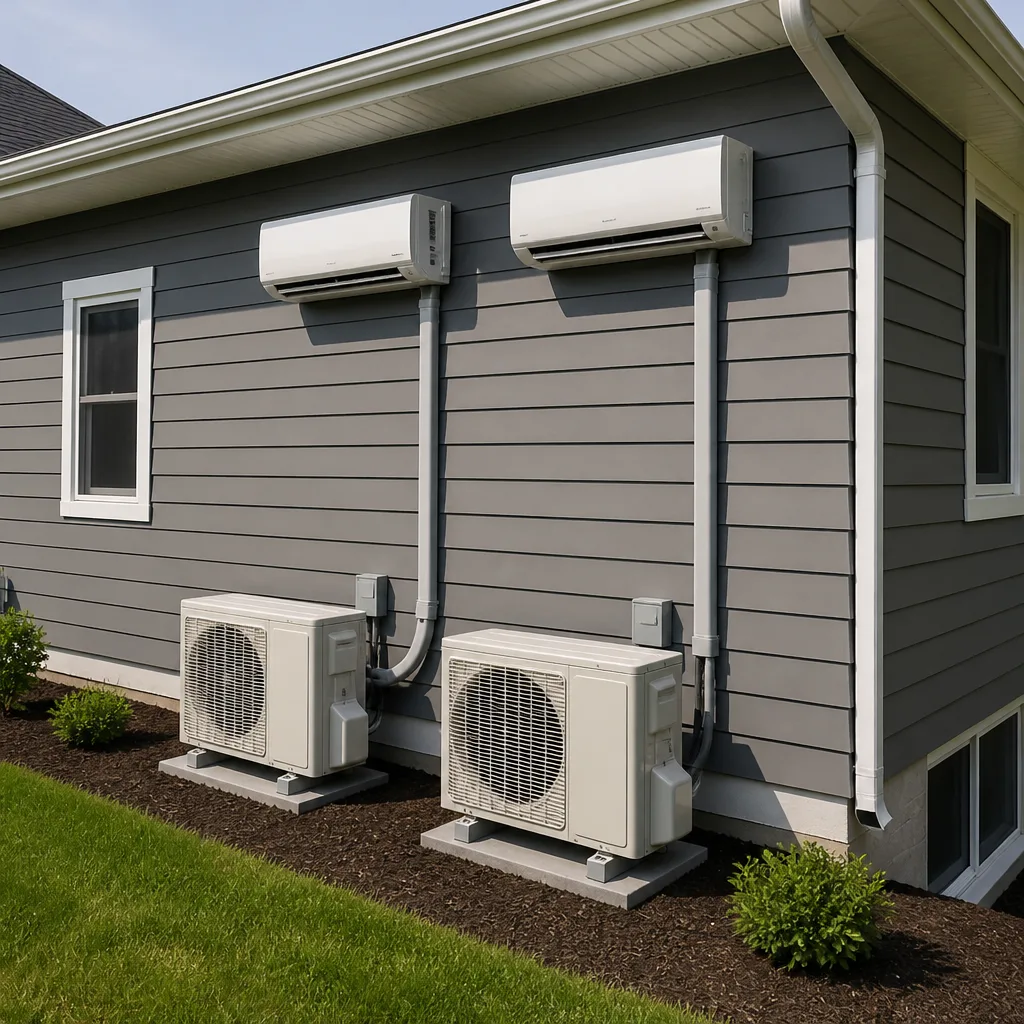 Ductless mini splits
 Carrier
 Trane
 Goodman
Seasonal tune-up and full diagnostic on your Carrier, Trane, or Goodman system - readings shown to you before any repair is proposed
Diagnosis first, numbers second - you approve the repair price before a single part goes in.
Get your free estimateHVAC Cost Breakdown: The Lewisville Homeowner’s Reference for 2026
Most HVAC cost guides walk you through equipment prices and stop there. That’s the least useful half of the story. In Lewisville, two homeowners can replace the exact same 3-ton split system and end up thousands apart on the final bill. Not because one contractor is gouging them. Because attic access, electrical panel capacity, and the condition of the existing ductwork create completely different labor scopes for what looks like the same job on paper.
This reference breaks the estimate down to the component level, so every line reads like a known quantity instead of a black box. You’ll see what common repairs cost in parts and labor, what a full Lewisville replacement estimate should include, which local variables drive the price up, and how a repair-versus-replace decision actually pencils out. Nothing here is a sales pitch. It’s the math we walk Lewisville homeowners through every season.
Quick Answer
In Lewisville, most common AC repairs run from roughly $150 to $900 depending on the part, while a full system replacement typically lands between $6,000 and $14,000 installed. The gap between repair and replacement rarely comes down to the unit alone. Labor scope, permit costs, panel capacity, ductwork condition, and refrigerant type swing the total more than the equipment price does. Get a written, line-item estimate so you can see which of those variables is driving your number.
Styles & brands we work with
- AC repair
- Furnace & heating
- Heat pumps
- Ductless mini splits
- Carrier
- Trane
- Goodman
Table of Contents
- What do common AC repairs cost in Lewisville, part by part?
- How do you read a replacement estimate line by line?
- What local variables inflate installation cost?
- How does refrigerant type affect your 2026 cost?
- When does repair versus replace actually pencil out?
- What Oncor and federal rebates apply in 2026?
- Does brand familiarity change what you’ll pay?
- Common mistakes to avoid
What do common AC repairs cost in Lewisville, part by part?
Most single-component AC repairs in Lewisville fall between $150 and $900 installed, with the part itself usually accounting for a third or less of that total. The rest is diagnosis, labor, and the refrigerant that has to be recovered and recharged when a closed system gets opened. Knowing the split between parts and labor keeps a repair quote honest.
Here’s how the numbers typically shake out on the components we see fail most often:
- Capacitor: Roughly $150 to $280. The part is inexpensive. The cost is diagnosing which of the several capacitors in the outdoor unit has failed and getting to it safely.
- Contactor: Roughly $180 to $320. A worn contactor is a frequent cause of a system that won’t start on a hot afternoon.
- Blower motor: Roughly $400 to $850. Labor steps up here because the air handler has to be opened, and attic-mounted units in Lewisville homes take longer to reach than closet units.
- Evaporator coil: Roughly $900 to $2,200. The coil itself is the largest single part cost in repair territory, and the system has to be opened, evacuated, and recharged. Most of the bill is labor and refrigerant, not the coil.
- Compressor: Roughly $1,200 to $2,600. This is the repair that most often triggers the replace conversation, because on an aging system the math can tilt either way.
On a Carrier or Trane system that’s otherwise sound, a capacitor or contactor repair is almost always worth doing. On a fifteen-year-old unit with a failed compressor, we’ll show you both numbers and let you decide. The AC repair write-up covers how diagnosis works. For a straight answer on your own system, call (844) 761-3596. Estimates are free.
How do you read a replacement estimate line by line?
A complete replacement estimate in Lewisville should itemize six categories: equipment, refrigerant, labor, permit, disposal, and warranty. Any estimate that lumps them into one number hides exactly the variables you need to compare one bid against another. Ask for the itemized version and you’ll see where each contractor’s scope differs.
Here’s what each line should represent:
- Equipment: The outdoor condenser and indoor air handler or coil, listed by model number and tonnage. The model number is what lets you compare bids fairly. A “3-ton system” can mean very different equipment depending on the model.
- Refrigerant: The charge for the lineset and any make-up refrigerant. On a new system this should be included. On a repair involving a coil or compressor, it’s a separate line because the refrigerant has to be recovered and replaced.
- Labor: The install crew’s time, which varies with access. An attic horizontal air handler that’s squeezed into a tight space takes longer than an up-flow unit in a closet.
- Permit: A replacement generally requires a permit from the City of Lewisville. The line should name a real permit cost, and the contractor should be able to pull it. If a bid omits the permit, the scope is incomplete.
- Disposal: Hauling off the old condenser and coil, plus refrigerant recovery. This is a real cost, not a padded line, and it should be shown.
- Warranty: The manufacturer’s equipment warranty plus the installing contractor’s labor warranty, listed separately. Those two are not the same thing and they don’t expire on the same schedule.
When we look at a bid for a AC installation in Lewisville, those six lines are where we check for gaps. Missing permit, no disposal, a warranty with no labor coverage – each one is a cost that lands on you later. A written estimate from us sets the final price per job, so there’s no surprise on the day of install.
What local variables inflate installation cost?
The four variables that most often push a Lewisville installation above the typical range are air handler location, electrical panel capacity, existing ductwork condition, and refrigerant transition. None of them are about the unit’s price tag. All of them are about what the crew has to do to make the new equipment work in your particular house.
Air handler location. A closet up-flow unit is the fastest install. A horizontal air handler jammed into an attic space takes longer to remove, set, and seal, and add labor hours that a closet job never asks for. Older Lewisville neighborhoods near Old Town often have the tightest attic spaces.
Electrical panel capacity. New high-efficiency equipment sometimes needs a dedicated circuit the existing panel can’t supply. A panel upgrade, if required, is a real line item and one a repair-only quote never surfaces.
Ductwork condition. Leaky or undersized ducts can force modifications before a new unit can be sized and installed correctly. A duct system that was built for an older system may not suit the airflow of a modern one.
Refrigerant transition. The industry is moving from R-410A toward R-454B. Systems being replaced on older R-22 refrigerant have a different disposal and reclaim cost entirely, because R-22 is no longer produced and has to be handled under specific rules.
Ask for each of these variables in writing on the estimate. If a bid doesn’t mention them, it means the contractor hasn’t looked closely enough to price them – which is where surprises come from.
How does refrigerant type affect your 2026 cost?
Refrigerant choice is one of the quietest cost variables on a 2026 estimate, and it deserves a line of its own. Three types are relevant to Lewisville homes right now, and each carries different cost implications for repair and replacement.
- R-22: The legacy refrigerant. It’s no longer manufactured, so any recharge is expensive and only available from reclaimed stock. If your system still uses R-22, a refrigerant-involving repair is a strong signal to plan a replacement.
- R-410A: The standard for the last two decades. Replacement equipment in this refrigerant is being phased down, but repair on existing R-410A systems is straightforward and parts are widely available.
- R-454B: The newer lower-global-warming-potential refrigerant that new equipment is transitioning toward. It has different handling requirements from the older gases, so ask about it when you get a replacement quote.
Here’s the practical side. If a repair on an R-22 system involves opening the refrigerant circuit – an evaporator coil or a compressor – a meaningful slice of that repair bill is refrigerant reclaim and recharge on a gas that gets harder to source every year. On a newer R-410A or R-454B system, that slice shrinks. It’s worth asking which refrigerant your system uses before you approve any repair that touches the sealed system.
If you’re not sure what’s in your unit, the data plate on the outdoor condenser will say. Our technicians have up to 15 years of experience reading these plates and matching the right repair path to the refrigerant in play.
When does repair versus replace actually pencil out?
The cleanest repair-versus-replace test isn’t a sales heuristic – it’s a formula. Divide the repair cost by the number of cooling seasons you expect from the current system, then compare that to the annualized cost of a new system. If the repair’s per-season cost is lower, repair. If it’s higher, replacement is the better use of the money.
Run it as two numbers:
- Repair’s per-season cost. Divide the repair price by the years you reasonably expect from the existing system. A $1,400 compressor repair on a system with perhaps four good years left costs about $350 per season.
- Replacement’s annualized cost. Divide the installed replacement price by the life of a new system, then weigh that against the efficiency gain and the end of repair risk. A $9,000 replacement across a long service life pencils differently than a compressor repair on a unit that’s already failed once.
When the repair’s per-season cost comes in lower, fix what you have. When it’s higher, replacement usually wins. This is why we work on the brand you already have first, rather than steering you toward a new unit. Repair is the default. Replacement is a decision you make with numbers in front of you, not a pitch.
In Lewisville’s climate the math tilts a bit earlier than it does in cooler parts of the country, because the cooling system runs hard for a long stretch of the year. That extra runtime ages a compressor faster. It doesn’t change the formula, just makes the decision matter more.
What Oncor and federal rebates apply in 2026?
High-efficiency replacement in Lewisville can be stackable across two sources in 2026: Oncor’s efficiency programs and the federal tax credit for qualifying heat pump equipment. Both hinge on the efficiency rating of the equipment you install, so the rebate potential should factor into which system you choose, not just the sticker price.
- Oncor efficiency programs. Oncor administers demand-side and energy-efficiency programs in its service territory. Program availability, eligibility, and the amount available change year to year, so confirm what’s live for your address before you buy.
- Federal tax credit. The federal tax credit for qualifying high-efficiency heat pump equipment remains in place for 2026, with eligibility tied to the equipment’s rated efficiency. The exact credit depends on the equipment and your tax situation, so confirm with a tax professional.
Stacking matters. The right high-efficiency unit can qualify for both programs at once, which changes the effective installed cost. When you get a replacement estimate, ask the contractor to identify which equipment qualifies and which forms they’ll help you prepare. Rebate paperwork is part of the job, not an afterthought.
Rebate amounts and program rules shift, so treat any number you see online as a placeholder until it’s confirmed for your home. The point is that the programs exist and are worth checking. That check should happen before you sign an install contract, not after.
Does brand familiarity change what you’ll pay?
Brand familiarity doesn’t change the equipment price, but it does change the labor on a repair. A technician who knows how a specific manufacturer lays out its components, controls, and common failure points diagnoses faster, and diagnostic time is baked into the repair bill. That’s the practical reason we tell Lewisville homeowners we’re factory-familiar with nine of the most widely installed residential brands on the market.
Those brands are Carrier, Trane, Lennox, Goodman, Rheem, York, Daikin, Bryant, and American Standard. Between them, they cover the large majority of systems found in American homes, which means most Lewisville homeowners already own a system we work on routinely.
Here’s the difference on the ground. A technician who’s seen a hundred Bryant control boards knows the common failure pattern without re-reading the schematic. A tech who recognizes a Daikin inverter fault from the error code gets to the right part faster. On common repairs, that speed shows up as a smaller labor line. On a diagnostic that would otherwise take longer, it saves the homeowner the guessing.
We’re brand-agnostic on purpose. We don’t push one manufacturer’s equipment, because the right system for your house is a sizing and scope question, not a brand-loyalty question. What we do is service almost any major system already sitting in your home, whether it’s a fifteen-year-old Goodman or a newer American Standard. The work is diagnosis, not a sales demo.
If you want to know whether your specific system is one we service, the answer is likely yes. Call (844) 761-3596 and tell us the brand and model on the data plate.
Common Mistakes to Avoid
- Approving a single-number replacement quote. An unbroken lump sum hides the permit, disposal, and warranty lines, which is exactly where comparisons happen. Ask for the itemized version every time.
- Skipping the permit to save a few hundred dollars. In Lewisville a replacement generally requires a permit, and an unpermitted install can complicate a future sale and void portions of the warranty. Confirm the contractor is pulling it.
- Replacing a compressor on an R-22 system without checking the refrigerant cost. The recharge on reclaimed R-22 can balloon a repair quote past the point where it makes sense. Ask what the refrigerant line costs before you approve the compressor.
- Judging bids by the top-line price instead of the scope. A lower bid that omits ductwork modifications, the electrical panel work, or permit is not the same job as the fuller bid. Compare line by line, not total to total.
- Choosing equipment by tonnage alone. A “3-ton system” can be several different models at several different efficiency ratings. The model number is the real comparison point, and it’s also what determines rebate eligibility.
- Installing high-efficiency equipment without checking the existing ductwork. A great unit on undersized or leaky ducts can’t deliver the performance you paid for. Duct condition should be assessed before the equipment decision is made.
- Forgetting to claim the rebates you qualify for. Oncor programs and the federal tax credit require paperwork and a qualifying efficiency level. Confirm both before you buy, not after the install.
See the difference
 Before
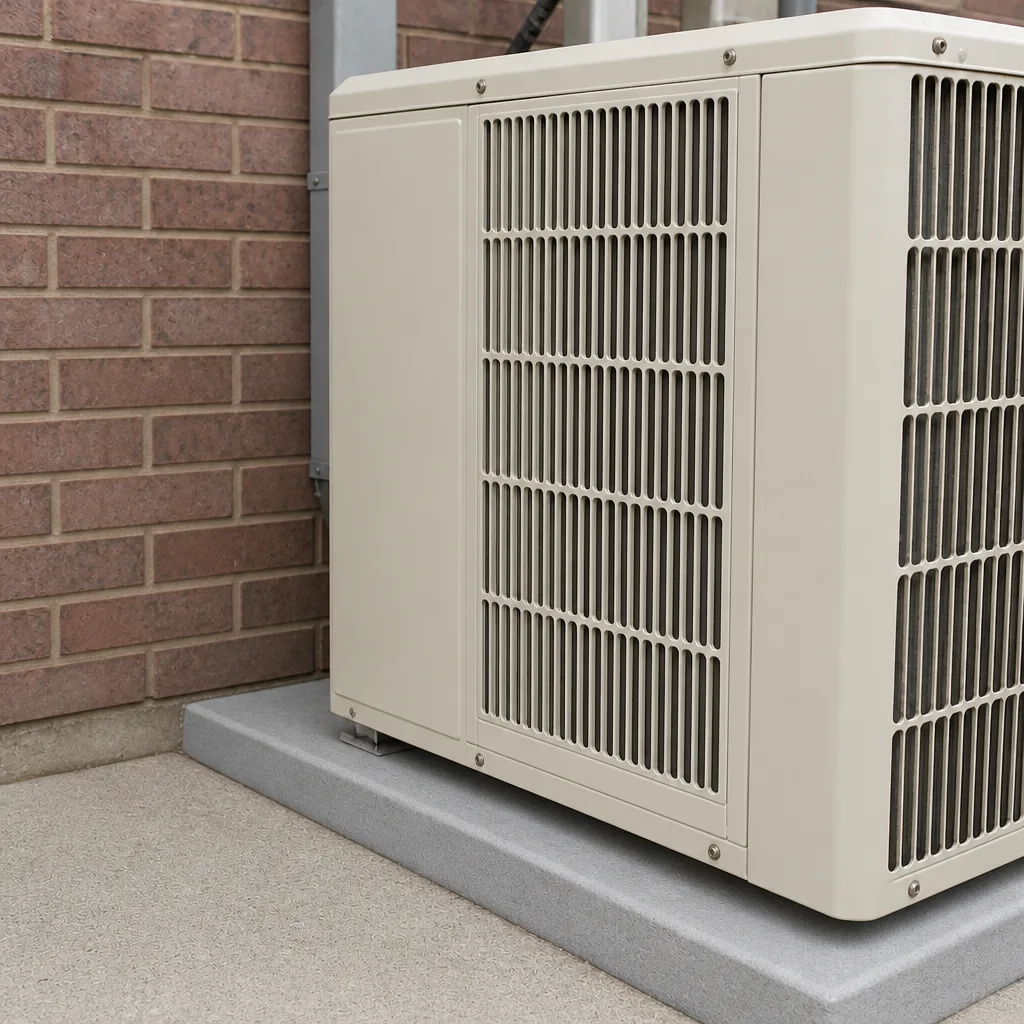 After
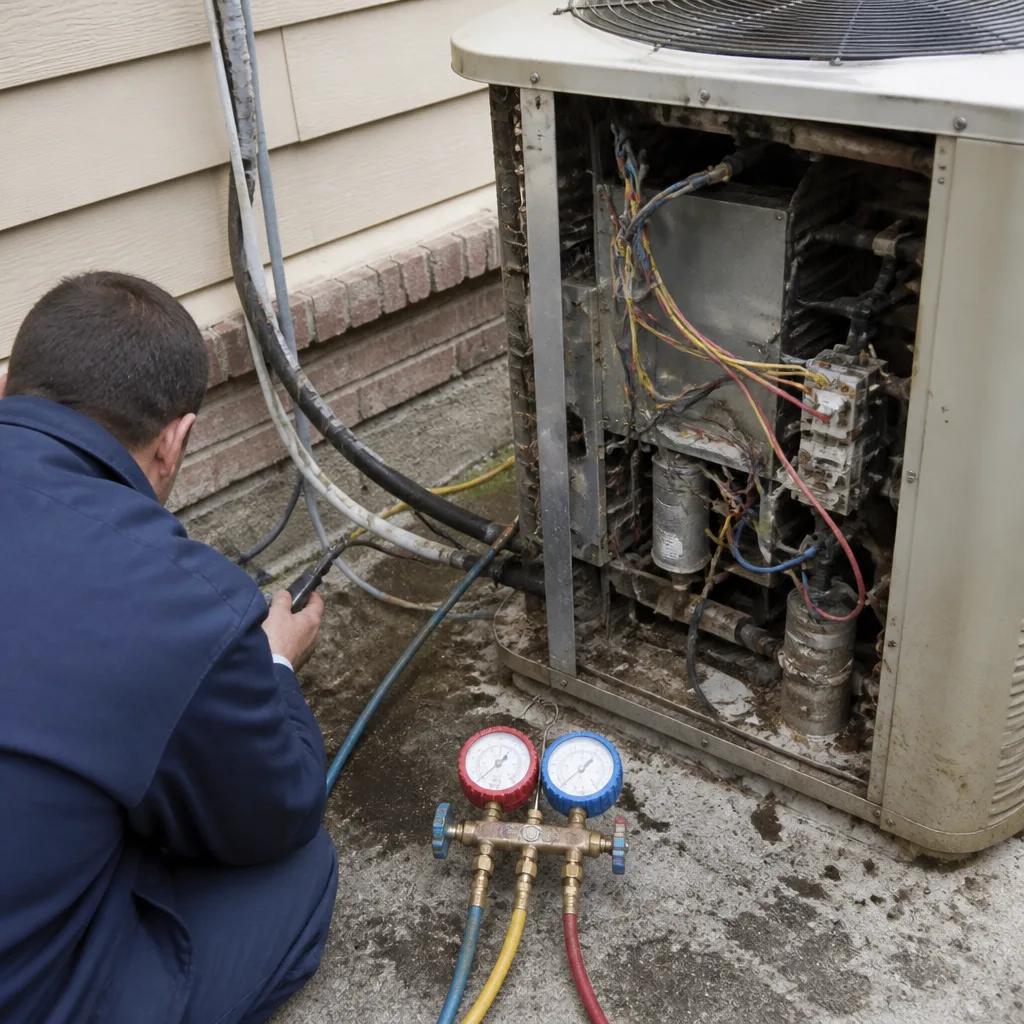 Before
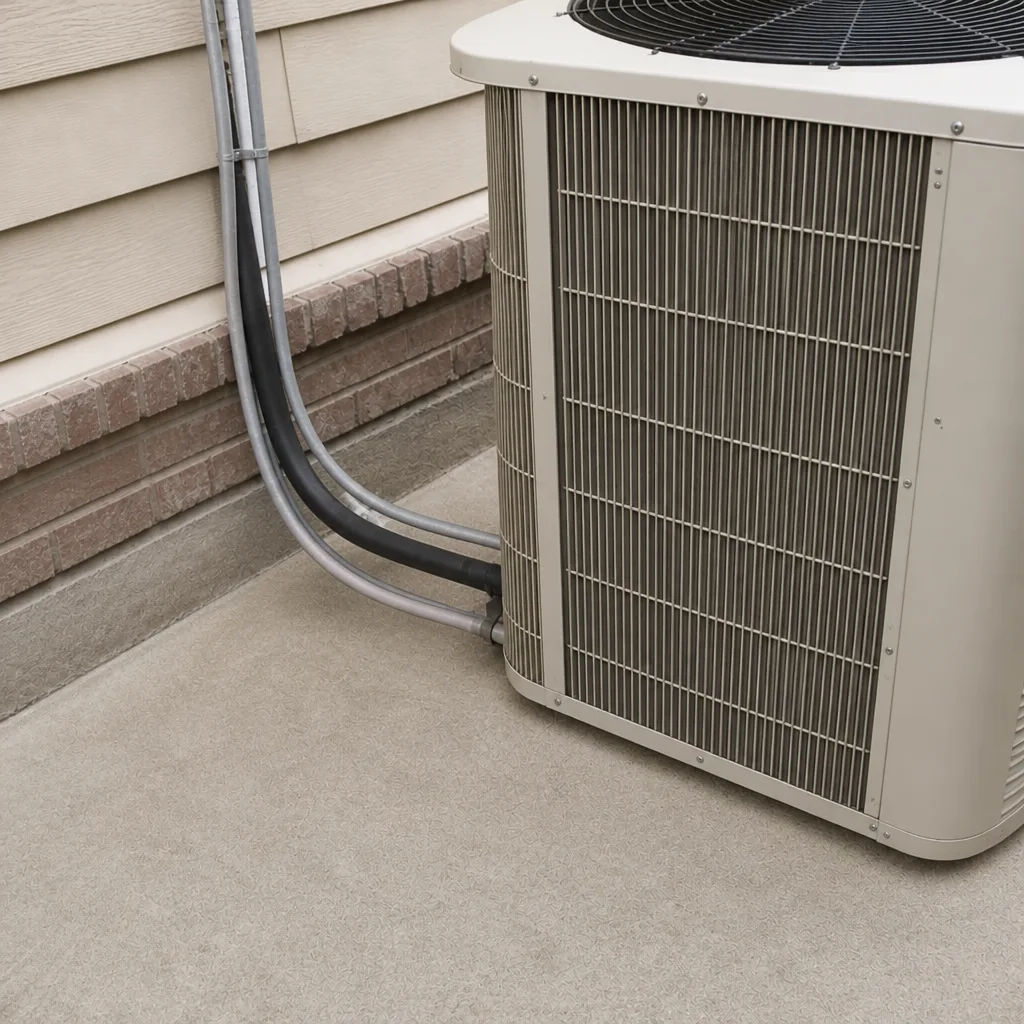 After
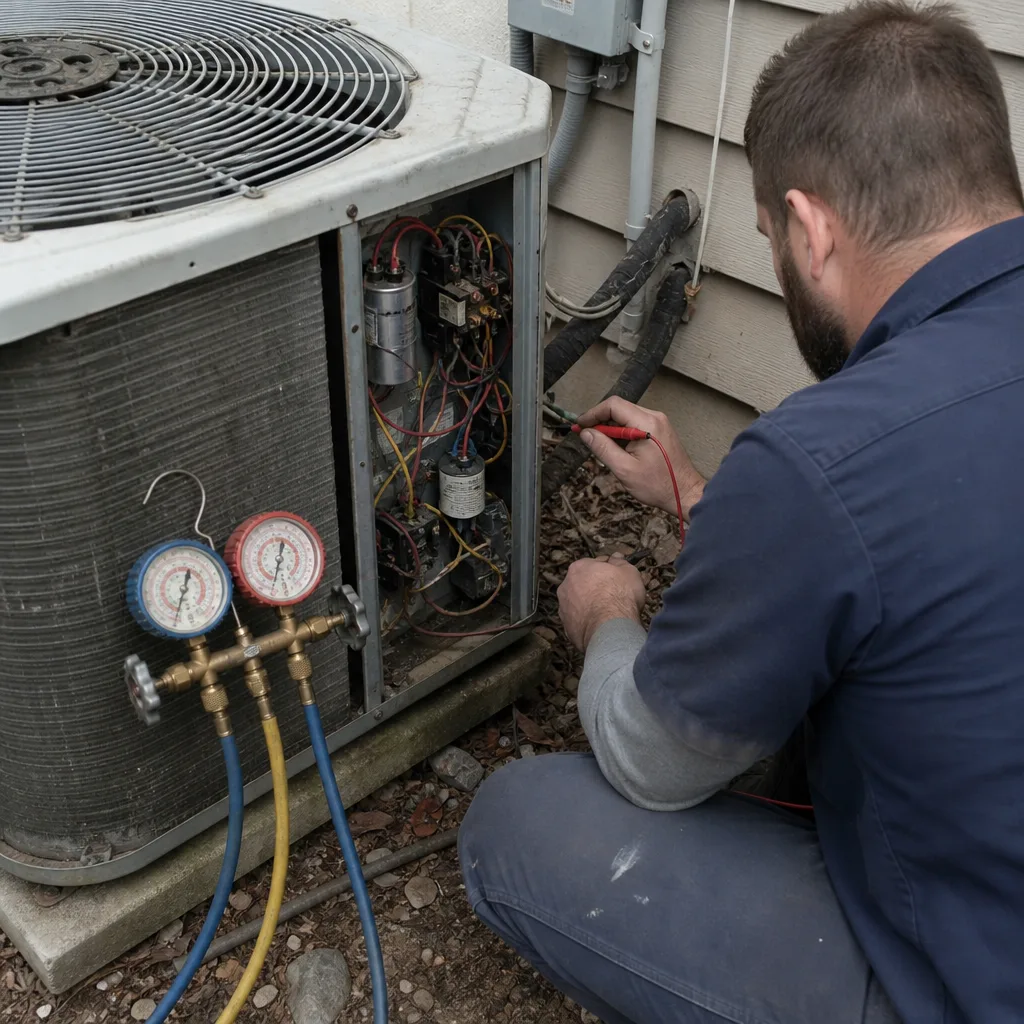 Before
 After
When to Call a Professional
Some jobs need a trained technician and shouldn’t be handled any other way. Anything involving the electrical panel, the sealed refrigerant circuit, or the compressor requires a licensed professional working under the safety and code rules for those components, and a homeowner attempt at any of them can cause serious injury. A system that trips the breaker repeatedly, an outdoor unit that won’t start on a hot afternoon, a refrigerant smell, or a compressor that’s making noise all point to a professional diagnosis.
Our technicians have up to 15 years of experience working on the brands in your home and know what a Lewisville attic install takes. Rutherford AC Repair offers free estimates in Lewisville – call (844) 761-3596. We answer 24/7. Fast dispatch from 7am to 7pm, Sunday through Friday.
Frequently Asked Questions
A typical full AC replacement in Lewisville lands between roughly $6,000 and $14,000 installed, with the exact number driven mostly by air handler location, ductwork condition, electrical panel capacity, and which refrigerant the system uses. Get an itemized written estimate so those variables show up as real line items. Call (844) 761-3596 for a free estimate on your home – the written estimate sets the final price.
Repair is usually cheaper when the system is otherwise sound and the failure is a single component like a capacitor, contactor, or blower motor. Replacement tends to pencil out when the repair is a compressor or evaporator coil on an aging R-22 system. Run the per-season cost formula above and let the math decide. Call (844) 761-3596 and we’ll show you both numbers – estimates are free.
Yes, a typical AC replacement in Lewisville requires a permit from the City of Lewisville, and a proper estimate should list the permit cost as its own line. If a bid omits the permit, ask why, because an unpermitted install can complicate a future sale and warranty coverage. Call (844) 761-3596 to confirm what your job will need.
Older systems use R-22, most systems installed over the last two decades use R-410A, and newer equipment is transitioning to R-454B. R-22 repairs that open the refrigerant circuit cost more because reclaimed R-22 is scarce and expensive. Confirm the refrigerant on your system’s data plate before approving a repair. Call (844) 761-3596 if you’re unsure – estimates are free.
Same-day AC repair is often possible in Lewisville, especially for a system that’s down during a hot stretch. We answer 24/7, with fast dispatch from 7am to 7pm, Sunday through Friday. Call (844) 761-3596 and we’ll get you booked into the next opening.
Two sources can stack for a qualifying 2026 high-efficiency replacement: Oncor’s efficiency programs and the federal tax credit for qualifying heat pump equipment. Both hinge on the efficiency rating of the specific equipment you install, and program rules change year over year. Confirm eligibility before you sign. Call (844) 761-3596 for a free estimate and we’ll flag which equipment qualifies.
The Bottom Line
In Lewisville, the HVAC cost that matters most isn’t the equipment price. It’s the labor scope, permit, and local variables that swing a same-looking job thousands apart. Read every estimate line by line, know the part-and-labor split on common repairs, check which refrigerant your system uses, and run the repair-versus-replace formula before you decide. If Oncor and federal rebates apply to a high-efficiency replacement, claim them. The estimate should be free, itemized, and in writing, because that’s how every line item on your bill stops being a black box. Call (844) 761-3596. We answer 24/7. Fast dispatch from 7am to 7pm, Sunday through Friday.
Learn more about Rutherford AC Repair and how we approach HVAC work in Lewisville.
Written by the team at Rutherford AC Repair.