
Last updated November 15, 2026
 AC repair
 Furnace & heating
 Heat pumps
 Ductless mini splits
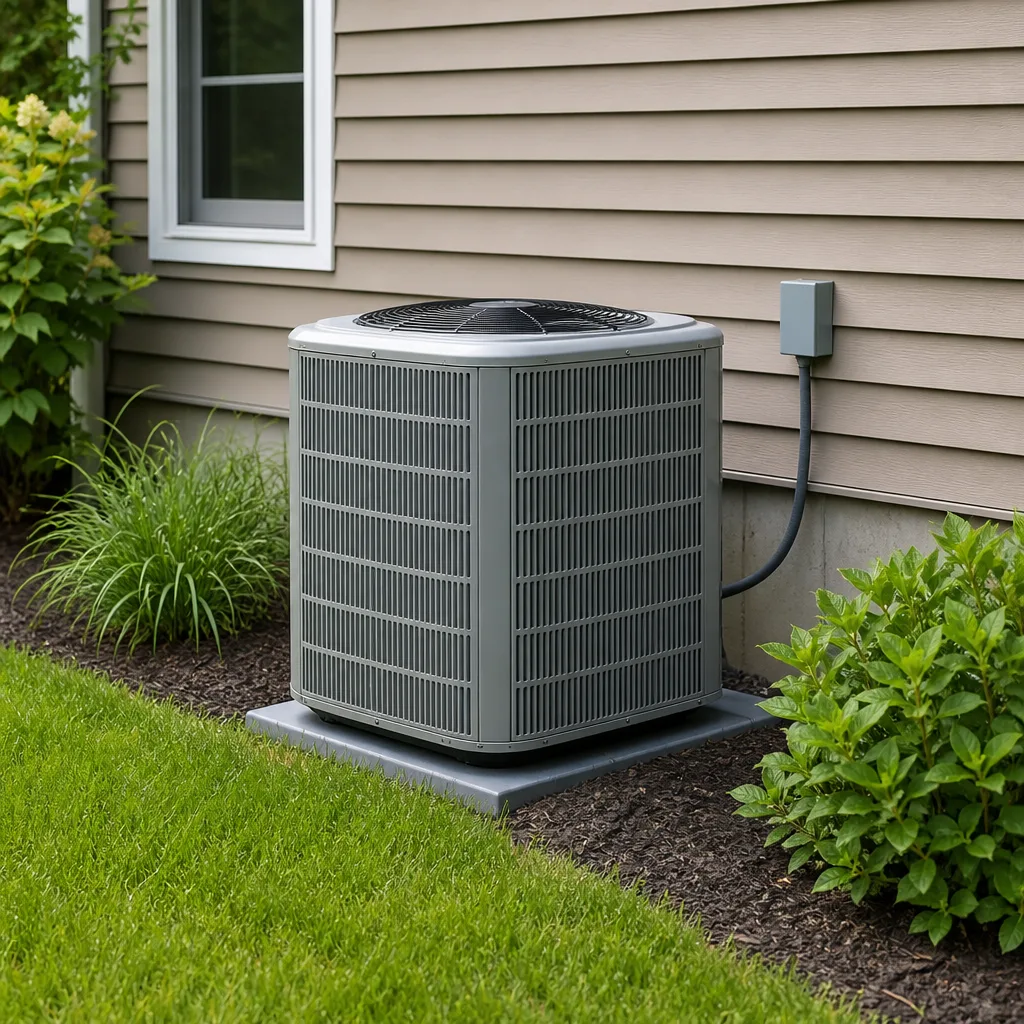 Carrier
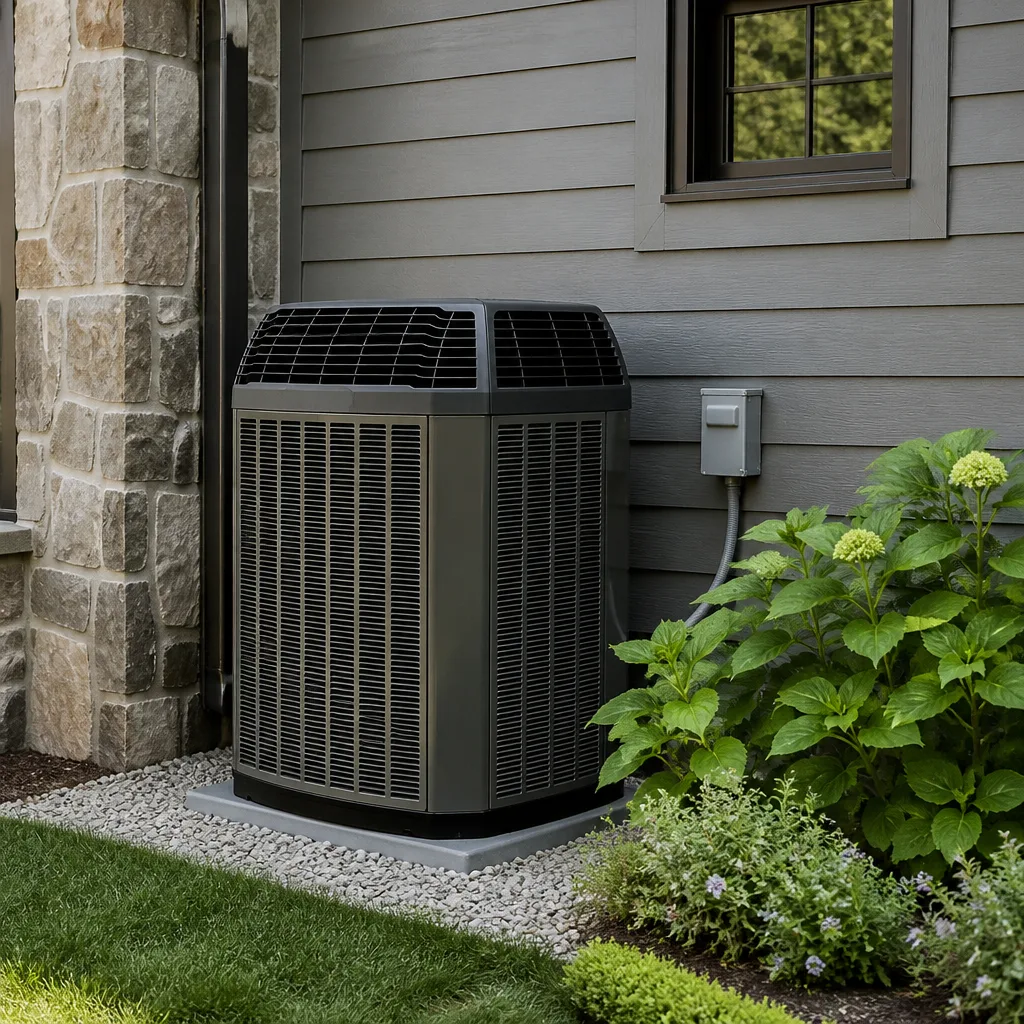 Trane
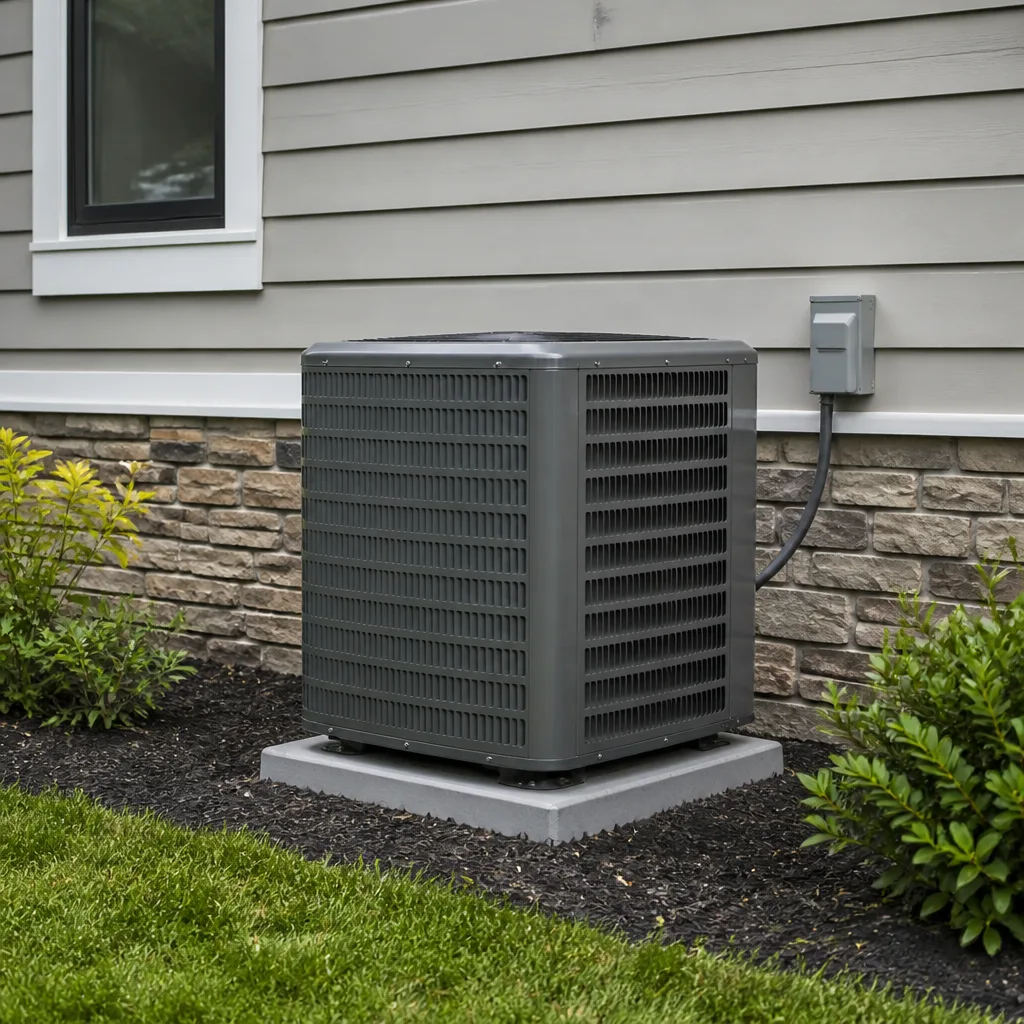 Goodman
Seasonal tune-up and full diagnostic on your Carrier, Trane, or Goodman system - readings shown to you before any repair is proposed
Diagnosis first, numbers second - you approve the repair price before a single part goes in.
Get your free estimateDIY vs Professional HVAC: The Lewisville Homeowner’s Decision Guide
Most homeowners think the DIY-versus-professional question is about confidence. It isn’t. It’s about legal access and liability. You can legally swap a run capacitor on your own condenser with a part from a parts house and a video tutorial. You cannot legally add refrigerant to that same system, and doing it yourself is a federal violation. That’s the boundary this guide maps, task by task, so you know exactly where your authority as a homeowner ends and a licensed technician’s begins. By the end, you’ll know which jobs are safe and legal, which are deceptively risky, and how to diagnose your system accurately before anyone shows up at your door in Lewisville.
Quick Answer
In Texas, homeowners can legally handle low-voltage items like filters, thermostats, capacitors, contactors and fan motors, but refrigerant handling, brazing, gas line work and anything involving the sealed refrigeration circuit require a licensed technician and, for refrigerant, EPA Section 608 certification. The practical line isn’t “could I?” but “should I?” – for most Lewisville homeowners, the smart position is to diagnose carefully yourself, then hire licensed help for anything involving refrigerant, high-voltage components, combustion or gas.
Styles & brands we work with
- AC repair
- Furnace & heating
- Heat pumps
- Ductless mini splits
- Carrier
- Trane
- Goodman
Table of Contents
- What Texas law and the EPA actually let you do
- The task-by-task breakdown: legal vs. licensed-only
- Technically legal, practically risky: the failure modes
- Capacitor replacement: the most common DIY repair, done safely
- What a botched DIY repair actually costs
- How to self-diagnose with manufacturer tech sheets
- Neighborhood context: why Lewisville homes age the way they do
- When to stop and call
What Texas Law and the EPA Actually Let You Do
The legal boundary is clearer than most people assume. It has two separate layers: state licensing law and federal environmental law, and each one restricts different tasks.
Texas requires an HVAC license to perform work on the sealed refrigeration circuit – that’s the compressor, condenser coil, evaporator coil, metering device and refrigerant lines. Opening that circuit, brazing fittings, evacuating the system, charging it with refrigerant or recovering refrigerant all fall under licensed work. Adding refrigerant without EPA Section 608 certification is a violation of the Clean Air Act, full stop. No homeowner exemption exists, no “small amount” allowance and no legal path for a weekend warrior to top off a low charge.
What stays open to homeowners under both state and federal rules:
- Changing air filters, cleaning outdoor coils and clearing drain lines
- Replacing thermostats (low-voltage wiring)
- Replacing run capacitors and contactors (once the circuit is safely discharged)
- Swapping a condenser fan motor on many units
- Cleaning condenser fins and straightening minor bent fins
- Adjusting registers and balancing airflow by hand
What requires a licensed technician, no exceptions:
- Any refrigerant recovery, evacuation or charging
- Brazing, welding or flare-fitting on the sealed system
- Diagnosing and repairing compressor or reversing valve failures
- Gas line connections, combustion analysis and heat exchanger work
- Electrical panel work (panel and breaker replacement)
- Equipment replacement requiring permits and load calculation
If you’re in doubt about a specific task, a quick call to the Texas Department of Licensing and Regulation settles it. Better to ask once than to find out afterward. For an overview of when licensed AC repair makes more sense than a DIY attempt, our pages walk through the practical side of that call.
The Task-by-Task Breakdown: Legal vs. Licensed-Only
Most homeowner guides blur the legal line or skip it entirely. This table maps the common tasks by legal status, DIY feasibility and what usually drives the decision. When you read this as a homeowner, use it as a filter before you buy any part.
- Air filter replacement: Legal, easy, DIY-appropriate. Do it monthly during heavy cooling season in Lewisville.
- Thermostat replacement: Legal, easy, DIY-appropriate for standard 24-volt systems. Skip if you have a communicating system.
- Contactor replacement: Legal, moderate. Requires high-voltage caution and a solid understanding of the wiring diagram.
- Run capacitor replacement: Legal and doable – with strict safety protocol. We cover this in detail below.
- Condenser fan motor swap: Legal, moderate to difficult. Requires matching rotation, RPM, horsepower and mounting.
- Blower motor replacement: Legal on most residential units but fiddly. Often a diagnosis problem, not a part problem.
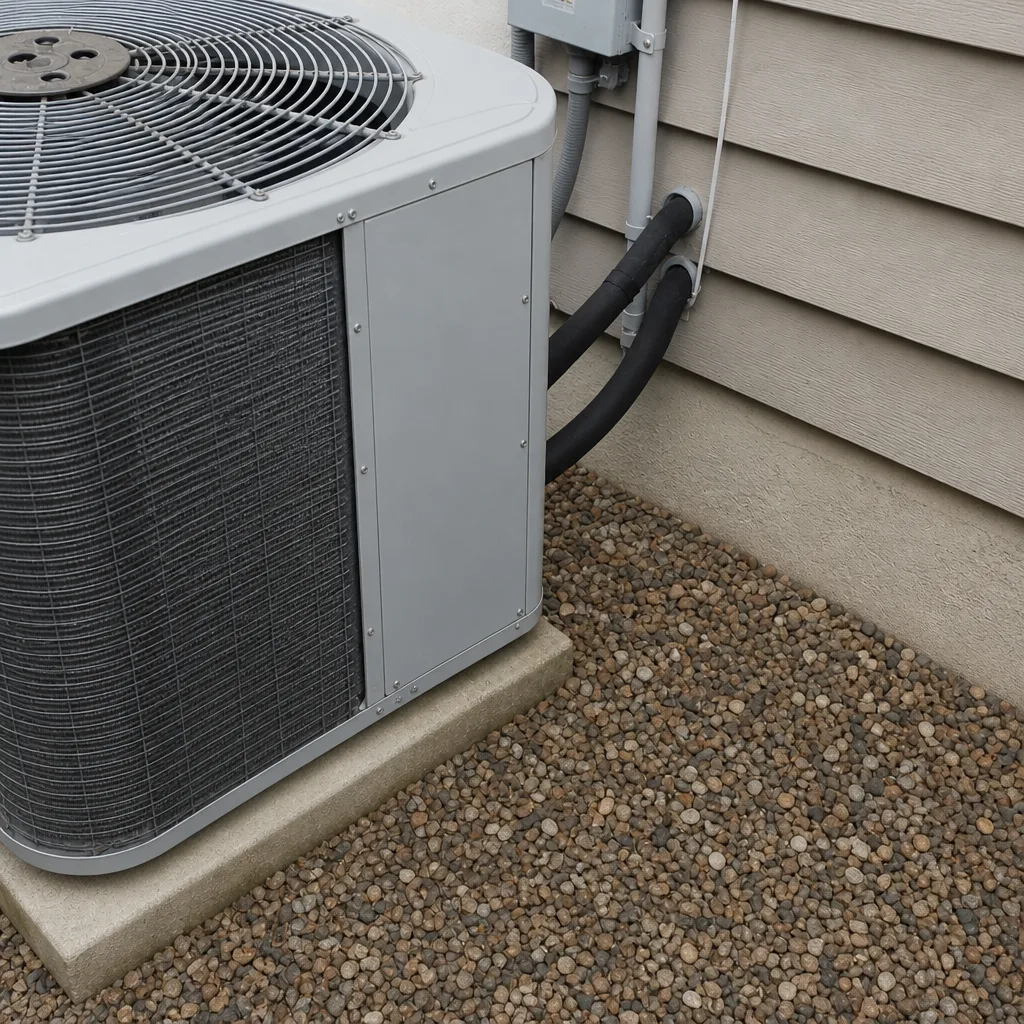
- Condenser coil cleaning: Legal, easy. Biggest DIY win after filter changes.
- Drain line clearing: Legal, easy. Prevents the most common summer call we see.
- Refrigerant recharge / top-off: Illegal for homeowners under EPA Section 608 and Texas licensing law.
- Compressor replacement: Licensed technician only.
- Evaporator coil replacement: Licensed technician only.
- Brazing or line-set repair: Licensed technician only.
- Gas furnace valve or gas line work: Licensed technician only.
- Thermostat wiring for a new communicating system: Licensed technician recommended.
- Full system replacement: Licensed technician only – permits and load calculations apply.
The pattern to notice: everything accessible with the right wrench and a clear head is legal. Everything involving the sealed circuit, combustion or gas is not. That’s the line. Residential HVAC systems in Lewisville are overwhelmingly Daikin, Carrier and American Standard – all three have their tech sheets freely available online, and none of those manufacturers hide the diagnostic procedure behind a paywall.
Technically Legal, Practically Risky: The Failure Modes
Legality and safety aren’t the same thing. Some homeowner tasks that pass every legal test still fail in ways that turn a $60 part swap into a $600 repair. Here’s what actually goes wrong, based on what we see coming through the door every summer.
Capacitor replacement failures. The most common DIY job is also the most common DIY mistake. Homeowners buy a “similar” capacitor without matching the microfarad rating exactly – and running a condenser with the wrong capacitance cooks the compressor over a single season. Others fail to discharge the capacitor before touching the terminals, which is a genuine shock risk. And a good number install the new capacitor without fixing whatever caused the original one to fail, so it fails again in a week.
Contactor replacement failures. This one is 240-volt work. We’ve heard of homeowners shutting off the disconnect at the unit but not the breaker feeding the disconnect, then making contact with live lugs. Beyond safety, the most common failure is choosing a contactor with the wrong voltage coil rating or miswiring the low-voltage control circuit so that the compressor never gets the call to run.
Thermostat wiring mistakes. Standard 24-volt thermostats are easy. Communicating systems are not. Cross a wire on a communicating thermostat and you can damage the control board on the air handler – a repair that costs far more than the thermostat did.
Fan motor swap mistakes. The motor needs to match horsepower, RPM, rotation direction and voltage. Get the rotation wrong and the fan blows backward. Get the RPM wrong and the system runs high head pressure. Get the mounting wrong and the motor burns out within weeks.
Condenser coil “cleaning” gone wrong. Fin combs and pressure washers both damage coils in inexperienced hands. A bent-over coil blocks airflow just as badly as a dirty one does.
The through line: legal DIY that goes wrong doesn’t fail loudly. It runs and quietly damages the compressor. Then it fails expensively. Fixing what you already own is our default at Rutherford AC Repair, and part of that is knowing when a homeowner’s work has shifted from “saving money” to “adding cost.”
Capacitor Replacement: The Most Common DIY Repair, Done Safely
The run capacitor is the single most common failure point on a residential condenser, and the most common DIY repair – thousands of Texas homeowners replace one every summer. It’s also where most injuries and misdiagnoses happen. Here’s the safe protocol.
Step 1: Verify the symptom. A failed run capacitor typically shows as a compressor or fan that hums but won’t spin, trips the breaker shortly after startup, or a fan that takes a “nudge” to start. These are strong indications, not proof – other failures mimic them.
Step 2: Kill power at two points. Turn the thermostat to OFF. Then pull the disconnect at the outdoor unit. Then flip the 240-volt breaker in the panel feeding the air conditioner. Both steps, not one. The disconnect does not guarantee the control circuit is dead.
Step 3: Discharge the capacitor. This is where safety matters most. A capacitor holds a dangerous charge even after power is off. Using a properly insulated resistor across the terminals, or the shank of an insulated screwdriver rated for the voltage, short the terminals together to drain the stored charge. Use one hand, wear insulated gloves, and never touch the terminals directly.
Step 4: Match the rating exactly. The capacitor will show two values – MFD (microfarads) and voltage. Match both exactly or exceed the voltage rating. Do not substitute a lower MFD. A small tolerance variation (typically plus or minus 6 percent) is acceptable on MFD; a wildly different rating is not.
Step 5: Note the wiring before removal. Photograph the terminals first. Reconnect the wires to the same terminals after the swap. The new capacitor will have the same terminal layout, but “HERM,” “FAN” and “C” markings are not always in the same physical position.
Step 6: Diagnose the root cause. Capacitors fail from age, heat and voltage fluctuation – but they also fail when something else is straining them. A failing fan motor, a weak compressor, high head pressure from a dirty coil or a low refrigerant charge all shorten capacitor life. If the new one fails within a season, stop replacing and get a diagnosis.
If any of that is unclear or you don’t have a meter to test capacitance, don’t guess. Call us at (844) 761-3596. We answer 24/7, and fast dispatch runs from 7am to 7pm, Sunday through Friday.
What a Botched DIY Repair Actually Costs
DIY saves money when it works and costs money when it escalates. The pattern isn’t random – recurring mistakes cause recurring escalations. Here’s how common scenarios typically escalate.
- Capacitor with wrong MFD: $20 part swap becomes a compressor replacement once the compressor runs on wrong capacitance through a Lewisville summer.
- Contactor miswired: $30 part becomes a control board or compressor repair once the compressor contactor stays closed and the compressor runs without the fan.
- Diagnosed compressor when it’s really a capacitor: Homeowners sometimes assume the worst and buy a compressor, or assume the best and replace the capacitor when the compressor is starting to fail. Either way, the money is spent twice.
- Refrigerant top-off attempt: Beyond the legal problem, releasing refrigerant to atmosphere is a violation. Bringing in a technician to recover contaminated refrigerant costs more than a proper recharge would have from the start.
- Condenser coil damaged by pressure washer: Coil replacement is a sealed-system repair – expensive in a way that no coil cleaning was ever worth.
- Thermostat cross-wired on a communicating system: Control board replacement usually exceeds the cost of proper installation by multiples.
The general rule we give homeowners: DIY every task on the legal list that you can do with confidence and the right tools. Hire for anything involving the sealed circuit, combustion or gas. Repair-first is our default and it saves money – but only when it’s a repair, not a re-repair.
How to Self-Diagnose With Manufacturer Tech Sheets
The single biggest cost driver in HVAC service is diagnostic time. Homeowners who arrive at a professional call with accurate symptoms spend less than homeowners who say “it’s broken.” Here’s how to build that file on your own system.
- Find your model and serial numbers. The nameplate is on the outdoor condenser cabinet and on the indoor air handler. Photograph both. Model number gets you the tech sheet; serial number tells the technician the manufacture date.
- Look up the manufacturer tech sheet. Daikin, Carrier and American Standard all publish their service literature publicly. Search the model number plus “service manual” or “tech sheet.” You’ll find a wiring diagram, a component location chart and a sequence of operations.
- Read the sequence of operations. Every residential system has one. It tells you the exact order of events: thermostat calls for cooling, contactor closes, compressor and condenser fan start, blower starts, refrigerant cycle begins. When something fails to happen in sequence, you’ve narrowed the fault.
- Note the symptoms in their exact order. Does the fan start first, or the compressor? Does the system run for five minutes then trip the breaker? Does ice form on the indoor coil? Each pattern points to a different failure.
- Check the simple stuff first. Filter condition, condenser coil condition, thermostat batteries and settings, and the breaker status. This eliminates the easy calls before you pick up the phone.
- Note what you’ve touched. If you replaced a capacitor or contactor, note the exact part number and rating. That saves a technician ten minutes of inspection and removes a variable.
- Write down the model, serial, symptoms and any part swaps. That’s the diagnostic file. It turns “something’s wrong” into “here’s the sequence I observed and what I’ve already changed.”
This is what we mean by arriving prepared. Our technicians have up to 15 years of experience and work across Carrier, Trane, Lennox, Goodman, Rheem, York, Daikin, Bryant and American Standard, so the model you’re calling about is likely one we’ve diagnosed before. If you’re in a home with an AC installation on the horizon, the same file helps with sizing and brand comparison.
Neighborhood Context: Why Lewisville Homes Age the Way They Do
Lewisville is a hot-season town. From June through September, systems run long hours and condensers bake in afternoon sun. That pattern drives failure rates, and where you sit in Lewisville affects which repairs come up most.
Homes in Old Town Lewisville tend to be older, with equipment that’s been replaced one component at a time over many years. Those systems benefit most from careful diagnosis – the “problem” is often the sum of several small issues rather than one broken part. Newer subdivisions in the far north and eastern parts of Lewisville run more recent, higher-efficiency equipment where the compressor, contactor and capacitor still matter but failures are rarer and more likely to be control-board related.
Homes near Lewisville Lake see higher summer humidity load. That stresses the indoor coil and drain line more than the outdoor unit, and the most common failure in that part of town is a clogged condensate drain backing water into the air handler pan. That’s legal, easy DIY – clear the drain, check the pan, and you’ve prevented the most common summer emergency call.
What most homeowners don’t realize: Lewisville sits at the edge of the DFW heat island where afternoon temperatures can peak well above the city center. That matters for equipment life. Condensers in full sun without shade age faster than shaded ones. If your outdoor unit faces west in the afternoon, plan for shorter equipment life and more frequent capacitor and fan motor failures. Repairs stay common on the Lewisville housing stock we see; replacements tend to be about equipment age and compressor condition, not neighborhood. If you’re weighing that decision, our Lewisville service overview maps the local landscape.
Common Mistakes to Avoid
- Attempting a refrigerant top-off. It’s federally illegal without EPA Section 608 certification, and no YouTube video changes that. If your system is low on refrigerant, call a licensed technician.
- Replacing a capacitor without discharging it. A charged capacitor can deliver a serious shock even after the power is off. Discharge every time, no exceptions, and don’t work on it alone.
- Substituting a capacitor with the wrong MFD. The exact microfarad rating matters. A “close enough” rating shortens compressor life and will cost you more than a proper part.
- Turning off the disconnect but not the breaker. The disconnect doesn’t kill every circuit inside the unit. Turn off both at the panel and at the unit, and verify with a meter.
- DIY-ing gas furnace work in Lewisville’s mild winters. Gas valves, heat exchangers and flues are life-safety components. Small mistakes create carbon monoxide risk. Never DIY anything involving combustion or gas.
- Cleaning the condenser coil with a pressure washer. Pressure washers bend and flatten fins. Use a garden hose and a commercial coil cleaner, or hire it out.
- Skipping the manufacturer tech sheet. Those documents exist and are public. Reading the sequence of operations before you call saves diagnostic time and reduces the chance of a wrong diagnosis.
- Replacing a thermostat without matching the system type. Standard 24-volt thermostats are easy replacements. Communicating thermostats are not. Cross a wire and you can damage the control board.
See the difference
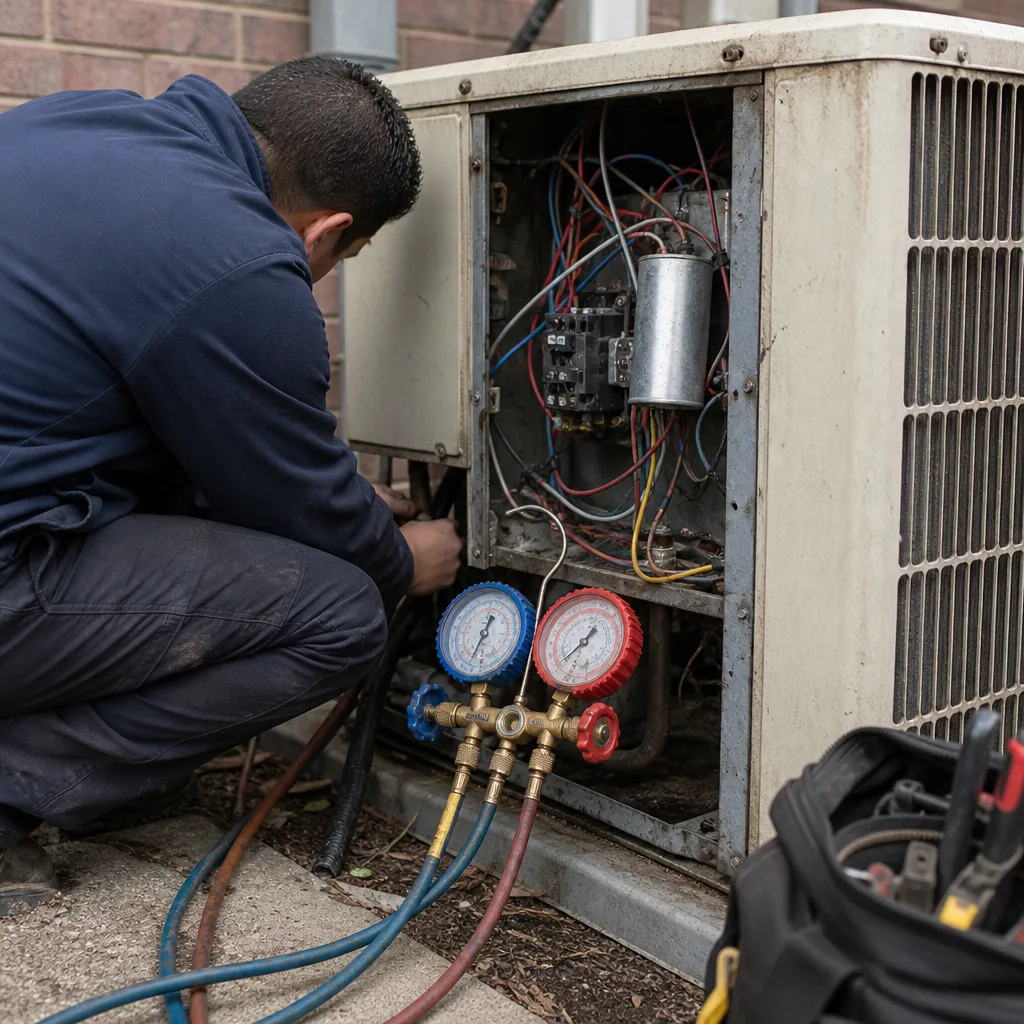 Before
 After
 Before
 After
 Before
 After
When to Call a Professional
Call a professional the moment your diagnosis touches refrigerant, high-voltage components beyond a capacitor or contactor, combustion, gas, or the sealed circuit. Call if your system has been repaired twice in a single season and failed again – the pattern matters more than the part. Call if your home has an infant, an elderly resident or anyone with a respiratory condition and the system is down in a Lewisville summer, because indoor heat in a closed home becomes a health risk fast. Call if the breaker trips repeatedly, if ice forms on the indoor coil, if you smell anything burning, or if a gas smell is present at any point – that last one is a stop-what-you’re-doing call. Rutherford AC Repair offers free estimates in Lewisville – call (844) 761-3596.
Frequently Asked Questions
No. Adding refrigerant requires EPA Section 608 certification under the Clean Air Act, and Texas licensing law restricts sealed-system work to licensed technicians. There is no homeowner exemption for a “small top-off.” If your system is low on charge, that’s a licensed call – the technician also needs to find and fix the leak, because a system that’s low is a system that’s leaking.
Legal, yes. Safe, only with the right protocol. Kill power at the thermostat, the disconnect and the breaker. Discharge the capacitor with an insulated tool before touching the terminals. Match the exact microfarad and voltage rating. Photograph the wiring before you remove the old part. If any of that is unfamiliar, call us at (844) 761-3596 – estimates are free.
If the task involves the sealed refrigeration circuit, refrigerant, brazing, gas, combustion or the electrical panel, it needs a licensed technician. If it’s a filter, thermostat, capacitor, contactor, fan motor, drain line or coil cleaning, it’s legal to DIY and reasonable to attempt with the right tools. If the symptom recurs after a fix, it’s a diagnosis problem – stop swapping parts and get professional eyes on it.
Because guess-and-swap costs more than diagnosis. Replacing a compressor when the real failure was a failing capacitor runs two repairs deep. A trained technician tests capacitance, checks pressures, reads the sequence of operations and identifies the actual fault. Our technicians have up to 15 years of experience across the brands most Lewisville homes have – Carrier, Trane, Lennox, Goodman, Rheem, York, Daikin, Bryant and American Standard – so the diagnosis is usually to the point and the estimate is free.
We answer 24/7. A call outside dispatch hours is booked into the next opening, Sunday through Friday, 7am to 7pm – we’re closed on Saturday. Inside dispatch hours, we can often get a technician to your Lewisville home the same day. Same-day availability depends on what’s scheduled, but for most summer call-outs we’re able to get there quickly.
It can, yes. Manufacturer warranties typically require installation and service by licensed professionals, and a homeowner-installed part can void the warranty on that component and, in some cases, on the whole equipment. Check your warranty terms before opening the unit. If you’re uncertain, call us at (844) 761-3596 and we’ll talk through the specific repair – the free estimate helps you see what’s covered and what you’d be risking.
The Bottom Line
The DIY-versus-professional question comes down to legal access and liability, not confidence. You can legally change filters, thermostats, capacitors, contactors and fan motors – and for many Lewisville homeowners, those DIY tasks save real money when done safely with exact-matched parts. You cannot legally touch refrigerant, brazing, gas or the sealed system, and no amount of YouTube changes that. Diagnose carefully with your manufacturer’s tech sheets, arrive at the call with symptoms documented, and stop the moment the work involves anything you’re not legally cleared to do. Repair-first is the right instinct; knowing where the line is makes that instinct pay off. When you’re ready for help, call (844) 761-3596 for a free estimate. We answer 24/7, and fast dispatch runs from 7am to 7pm, Sunday through Friday.
Written by the team at Rutherford AC Repair.