
Last updated November 15, 2026
 AC repair
 Furnace & heating
 Heat pumps
 Ductless mini splits
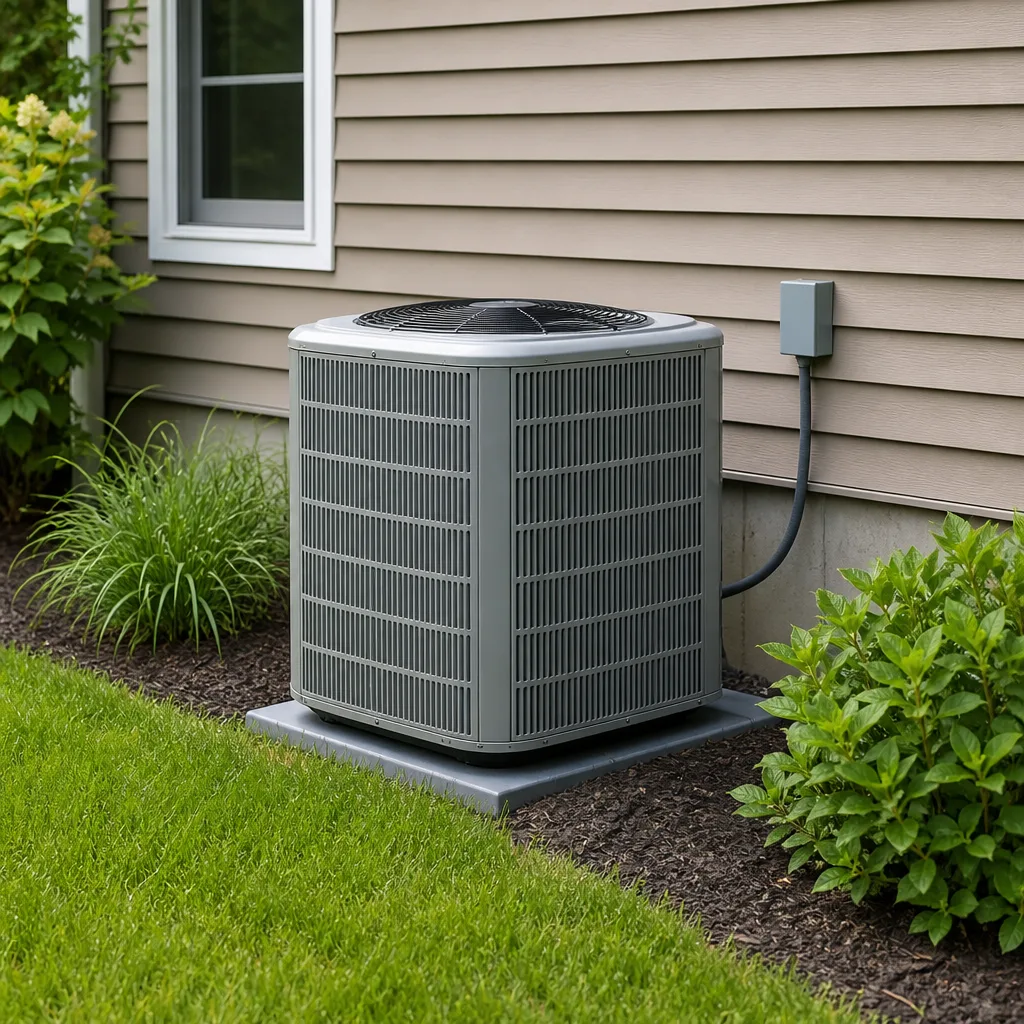 Carrier
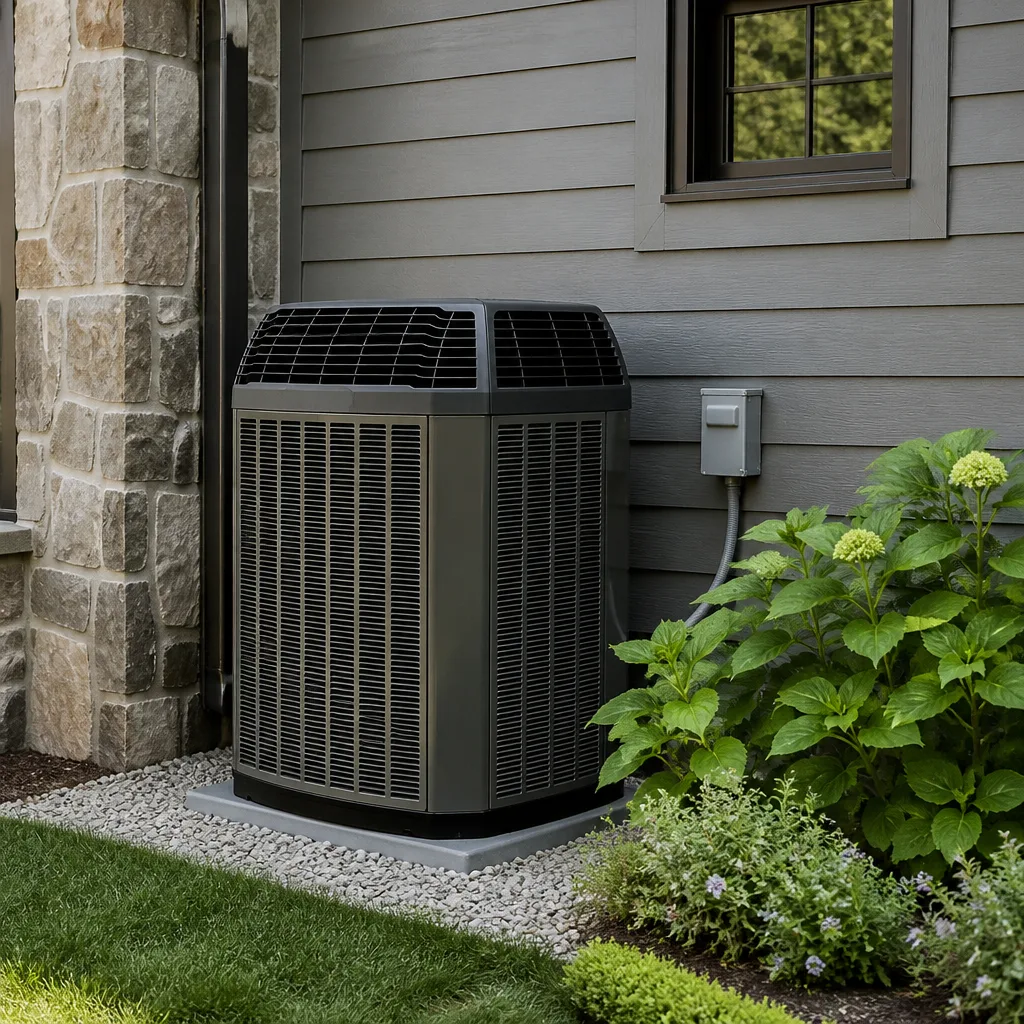 Trane
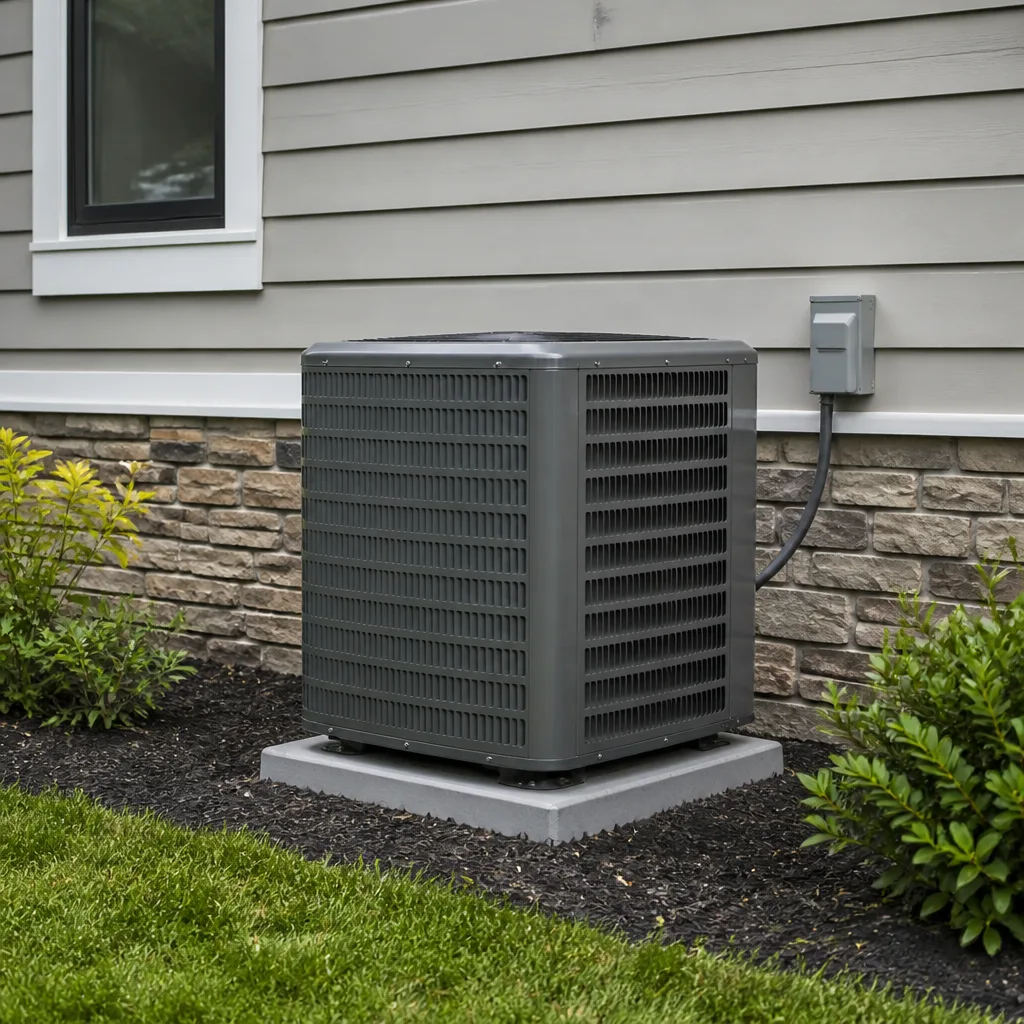 Goodman
Seasonal tune-up and full diagnostic on your Carrier, Trane, or Goodman system - readings shown to you before any repair is proposed
Diagnosis first, numbers second - you approve the repair price before a single part goes in.
Get your free estimateHVAC Emergency Preparedness Guide for Lewisville Homes
Most homeowners treat a broken air conditioner like a flat tire: they wait until it happens, then scramble. That’s the wrong model for Lewisville. In a July heat advisory, a failed system doesn’t just make the house uncomfortable. Indoor temperatures can climb fast, and for elderly residents, young children, and pets, that shift can become a genuine health risk within hours. The homeowners who come through a heat event calmly aren’t luckier. They planned before the compressor quit. This guide walks through the triage steps, the safe ways to cool a home without central air, the Denton County resources that exist for exactly these moments, and how to pre-position so you’re not the person calling at 2 p.m. when the house already reads 90°F. We’ll show you what to check, what to leave alone, and what to tell a dispatcher to get your call classified correctly.
Quick Answer
When your AC fails during a Lewisville heat event, the immediate plan is: check the thermostat, breaker, and air filter first; switch to a safe secondary cooling strategy (window units, fans, closing off sun-facing rooms); and call for service early in the day rather than waiting for the house to overheat. If indoor temperatures reach dangerous levels or vulnerable people are present, treat it as a health emergency and use a cooling center. Planning your response before the failure is what separates a manageable afternoon from a crisis.
Styles & brands we work with
- AC repair
- Furnace & heating
- Heat pumps
- Ductless mini splits
- Carrier
- Trane
- Goodman
Table of Contents
- Step-by-Step Triage When Your AC Fails
- How to Cool a Home Without Central AC
- When to Leave: Temperature Benchmarks
- Lewisville and Denton County Heat Relief Resources
- Pre-Positioning Before an Emergency
- What to Tell a Dispatcher
- Common Mistakes to Avoid
- Frequently Asked Questions
Step-by-Step Triage When Your AC Fails
When the air stops moving, panic is the enemy. A failed system in Lewisville during a heat advisory has a short list of causes you can rule out in minutes, and then a short list you should never touch yourself. Here’s the triage sequence we recommend.
- Check the thermostat first. Confirm it’s set to COOL, the fan is on AUTO or ON, and the batteries aren’t dead. A surprising share of “failures” are a thermostat in the wrong mode or a dead battery.
- Check the breaker. Locate the breaker for the outdoor condenser and the indoor air handler. If one is tripped, reset it once. If it trips again immediately, stop. Don’t keep resetting it. That’s a signal, not a nuisance.
- Look at the air filter. A clogged filter can choke airflow and cause the system to overheat and shut down. If it’s grey and matted, replace it and see if the system restarts.
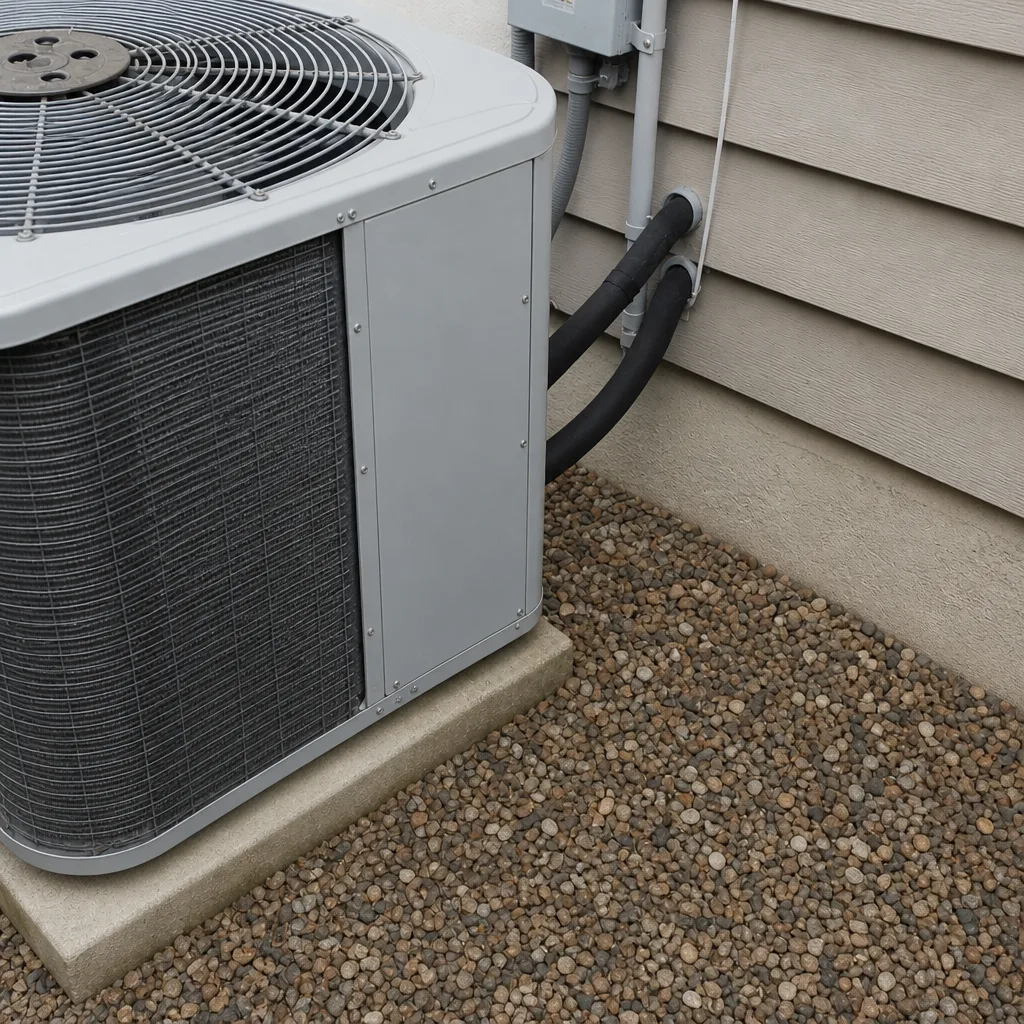
- Check the outdoor unit for obvious blockage. Clear leaves, grass clippings, or debris from around the condenser. Make sure nothing is stacked against it.
- Listen and look. Is the outdoor fan spinning? Is the indoor blower running? Is there ice on the refrigerant lines? Each of these points a technician toward a different problem.
- Stop and call. If none of the above restores cooling, the issue is inside the sealed system, the electrical components, or the compressor. These are not homeowner jobs.
If you’re already seeing ice on the indoor coil or refrigerant lines, turn the system off at the thermostat and leave it off until a technician arrives. Running a frozen system can damage the compressor. That’s a much bigger repair than the one you started with.
Safety note: Never open the electrical panel, bypass a safety switch, or attempt to replace a capacitor or contactor yourself. Capacitors hold a charge even after power is cut, and the electrical components in an HVAC system can seriously injure you. Leave the inside of the unit to a trained professional.
How to Cool a Home Without Central AC
While you wait for a technician, the goal isn’t to restore comfort. It’s to keep the indoor temperature in a safe range for the people and animals inside. Here’s a layered approach that works in Lewisville homes.
Use window units strategically
If you have a window unit or a portable unit, put it in the room where you’ll spend the most time, not the biggest room. Close the door to that room and cool one space well rather than trying to cool the whole house with one unit. That’s a losing battle.
Move air, don’t just make it
Box fans and ceiling fans don’t lower the air temperature, but they help your body shed heat. Place a fan in front of an open window at night when the outdoor air is cooler, and use a second fan to push hot air out of a window on the opposite side of the house. That cross-flow approach moves more air than a single fan blowing into a room.
Block the heat before it enters
- Close blinds and curtains on sun-facing windows during the hottest part of the day.
- Keep interior doors open to let air circulate, but close off unused rooms so you’re cooling a smaller envelope.
- Move activities to the lowest level of the home, which stays cooler than upper floors.
- Avoid using the oven, dryer, or dishwasher during peak heat. They dump heat into the house.
- Take cool showers or apply cool, damp cloths to wrists and neck to help regulate body temperature.
Hydration matters as much as airflow. Drink water steadily even if you don’t feel thirsty. Heat stress builds quietly, especially in older adults whose thirst response is blunted.
When to Leave: Temperature Benchmarks
Knowing when to stay and when to go is the most important decision in an HVAC emergency. Comfort is not the metric. Safety is. Use these benchmarks as your guide.
- Indoor temperature below 80°F: Manageable with fans and hydration for most healthy adults. Keep monitoring.
- Indoor temperature 80°F to 85°F: Watch vulnerable household members closely. If anyone shows signs of heat exhaustion (dizziness, nausea, rapid pulse, confusion), cool them down immediately and consider leaving.
- Indoor temperature above 85°F, or any reading above 80°F with an infant, elderly adult, or someone with a chronic condition present: Treat this as a health emergency. Move to a cooled space now, whether that’s a neighbor’s home, a family member’s, or a cooling center.
- Any sign of heat stroke (confusion, hot and dry skin, loss of consciousness, a very high body temperature): call 911 immediately.
Pets are more vulnerable than most people realize. Flat-faced breeds, older animals, and pets with heavy coats can overheat quickly. If you can’t keep the house below 80°F, plan for the animals too. A single window unit in one room can be enough to keep a pet safe if you designate that as their space.
Lewisville and Denton County Heat Relief Resources
Lewisville and Denton County have public resources specifically for heat events, and many homeowners don’t know they exist until they need them. During a declared heat advisory, these are the places to turn.
Cooling centers
When an extreme heat event is declared, the City of Lewisville and Denton County open cooling centers so residents without working air conditioning have a safe, cooled place to spend the day. These typically include public libraries, community centers, and senior centers. The specific locations and hours vary by event, so the reliable way to find the current list is to call the City of Lewisville directly or check the city’s website during the advisory. Local libraries in the Lewisville area are a frequent cooling center site because they’re already climate-controlled, open to the public, and staffed.
Senior services
For elderly residents, the Area Agency on Aging of North Central Texas and local senior services organizations can help with transportation to cooling centers, wellness checks, and in some cases assistance with home cooling needs. If you have an elderly neighbor or family member in Lewisville, check on them during a heat advisory even if you’re not affected yourself.
Utility and community programs
Utility companies sometimes have programs to help low-income households during extreme heat. The specific programs and eligibility change, so check with your utility provider directly during a heat event.
Pre-Positioning Before an Emergency
The best time to solve an HVAC emergency is before it happens. A few sensible steps now can turn a crisis into an inconvenience later. Here’s what we recommend for Lewisville homeowners.
Keep the right parts for an older unit
Capacitors are one of the most common failure points in an aging air conditioner. If your system is older, ask a technician what your unit takes and whether keeping a spare capacitor on hand makes sense. A $20 to $40 part can mean the difference between a same-day repair and a wait while the part is ordered.
Have a technician relationship before you need one urgently
This is the single most valuable prep step. When you’ve already had your system serviced, you have a technician who knows your equipment, knows your home, and knows what to look for. When the AC quits on a 105°F day, that relationship moves you up the queue.
Know your system’s model number
Write down your outdoor condenser’s model number and your air handler’s model number and keep them somewhere you can find them in a hurry. When you call for service, that number lets the dispatcher and technician identify your system immediately. Rutherford AC Repair is factory-familiar with nine of the most common residential brands, including Carrier, Trane, Bryant, and American Standard, so knowing your model number lets us confirm we can service your specific equipment without a trip just to look. It also tells a technician whether the part you need is common or specialized.
Match your cooling plan to your home
Know the coolest room in your home and what equipment you have for backup cooling. If you have a window unit, test it before summer, not during a heat wave. Check that it runs, and clean the filter. A portable unit needs an outlet near a window and a window that opens. Confirm both now.
What to Tell a Dispatcher
When you call for service, the words you use change how quickly your call gets classified. Dispatchers triage calls, and they need specific information to prioritize correctly. Here’s what to have ready and what to say.
- State the vulnerable household members up front. If there’s an infant, an elderly resident, someone with a respiratory or cardiac condition, or a person with limited mobility in the home, say that in the first sentence. “We have an elderly parent with COPD and no working AC” is treated differently than “our AC stopped working.”
- Report the indoor temperature. Give the dispatcher the actual current reading and whether it’s climbing. A house at 85°F and rising is more urgent than one holding at 82°F.
- Give the system details. Make, model, approximate age, and what you’ve already checked. “I checked the thermostat, the breaker, and the filter, and the outdoor unit isn’t running” saves the technician time.
- Say what you’ve already ruled out. If you’ve confirmed the breaker isn’t tripped and the filter is clean, say so. If you heard a noise before it quit, describe it.
- Confirm your address and access. Make sure a gate code, a pet, or a parking issue won’t delay the technician. If your dog is protective, plan for that now.
- Ask when to expect a technician and what to do in the meantime. If your call comes outside dispatch hours, we’ll book you into the next opening.
One thing to understand: a dispatcher will ask for vulnerable-person information because it genuinely changes the urgency. If you’re caring for a family member who is at risk in the heat, mention it. If your situation is serious enough to threaten someone’s health right now, and you’ve already tried the cooling strategies above, don’t minimize it.
Common Mistakes to Avoid
- Resetting the breaker repeatedly. If a breaker trips and won’t hold, resetting it over and over can damage the compressor or a motor. Reset once, then call.
- Assuming a frozen coil means low refrigerant. A frozen indoor coil can have several causes, and low refrigerant is only one. Adding refrigerant without diagnosing the actual cause is wasted money and can mask a bigger problem.
- Waiting until the house is dangerously hot to call. In a Lewisville heat event, the queue fills up fast. The homeowner who calls at 7 a.m. gets service that day; the one who waits until the house hits 90°F at 2 p.m. gets an appointment tomorrow or later.
- Running the system with a completely clogged filter. It chokes airflow, stresses the blower motor, and can freeze the coil. Replace it now, not after the system quits.
- Trying to replace a capacitor yourself. Capacitors store a dangerous charge. This is one of the most common DIY injuries in HVAC. Leave it to a trained technician.
- Assuming the first company to answer is the only option. If a company suggests a full replacement without diagnosing the problem first, get a second opinion. Repair-first is a legitimate approach, and sometimes a $200 repair beats a $6,000 replacement.
- Not knowing which brand you own. Eight of the systems we see in Lewisville are Carrier, Trane, Bryant, and American Standard, but we also work on Goodman, Rheem, York, Daikin, and Lennox. Knowing your model number can save a trip and a delay.
See the difference
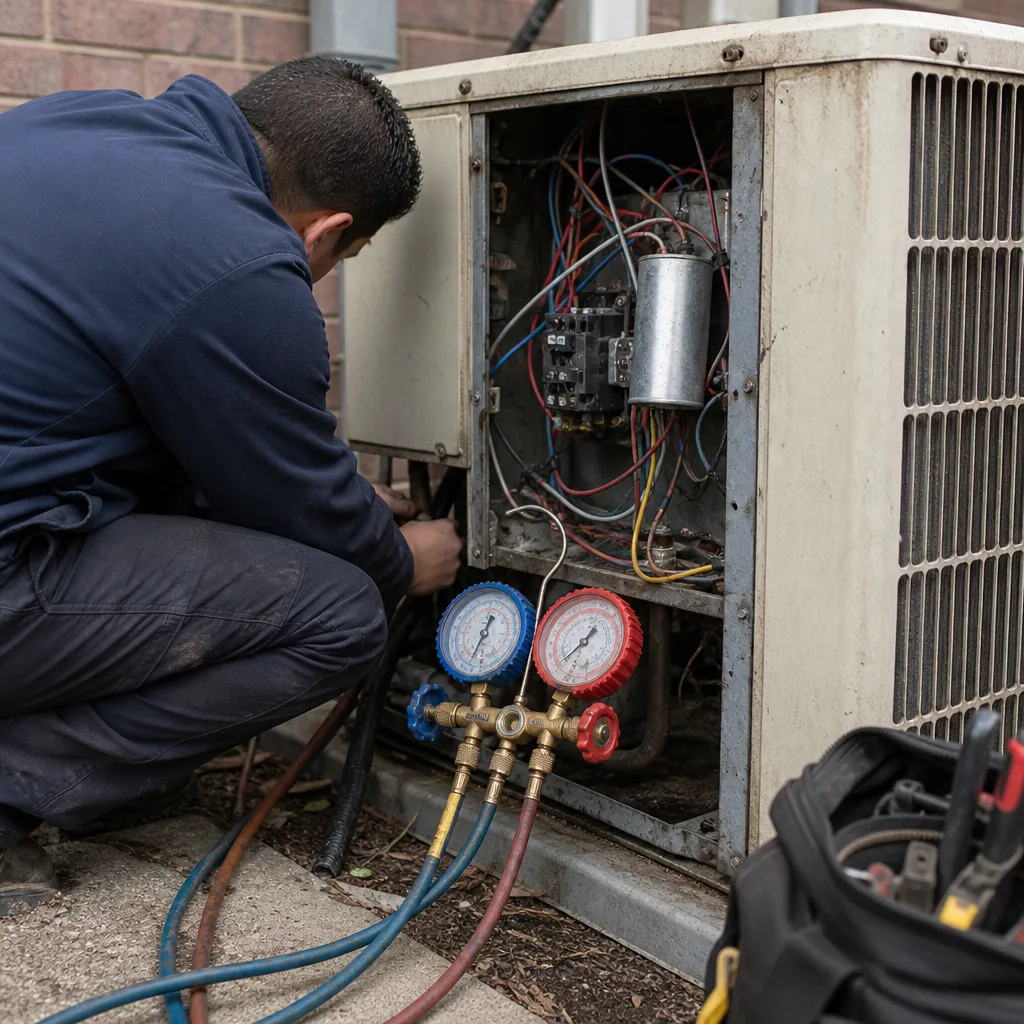 Before
 After
 Before
 After
 Before
 After
When to Call a Professional
Some HVAC problems can wait for a scheduled visit. Others can’t. Call a professional right away if your system won’t cool after you’ve checked the thermostat, breaker, and filter; if you hear a loud grinding or screeching from the outdoor unit; if the outdoor unit won’t start at all; if you see ice on the indoor coil or refrigerant lines; if there’s water pooling around the air handler; or if the system smells like burning or shows signs of an electrical problem. If you have vulnerable people in the home and indoor temperatures are climbing past 80°F, treat it as a priority. AC repair is the service we built our reputation on, and straightforward diagnosis comes before any talk of replacement. Rutherford AC Repair offers free estimates in Lewisville. Call (844) 761-3596. We answer 24/7. Fast dispatch from 7am to 7pm, Sunday through Friday. Our technicians have up to 15 years of experience.
Frequently Asked Questions
Check your thermostat, breaker, and air filter first, then switch to a safe secondary cooling strategy while you arrange service. If indoor temperatures climb past 85°F, or anyone vulnerable is in the home, use a cooling center or a family member’s home until the system is repaired. Call (844) 761-3596 to schedule service. We answer 24/7. Fast dispatch from 7am to 7pm, Sunday through Friday.
It’s an emergency if anyone in the home is an infant, elderly, chronically ill, or unable to tolerate heat, or if indoor temperatures are climbing past 85°F. A failed system in comfortable weather with no vulnerable occupants can wait for a scheduled appointment. Call (844) 761-3596 and we’ll help you decide based on your situation.
You can safely check the thermostat, reset a tripped breaker once, and replace a clogged filter. Anything inside the unit, including capacitors, contactors, and refrigerant lines, should go to a trained technician. Capacitors hold a dangerous charge, and refrigerant handling requires equipment and training. Call (844) 761-3596 for safe, professional service.
Look for a plate on the outdoor condenser and the indoor air handler. It lists the manufacturer and model number. If you can read both, a dispatcher can tell you immediately whether we service your system. We work on nine major residential brands, including Carrier, Trane, Bryant, and American Standard, and Rutherford AC Repair is factory-familiar with each of them.
A cooling center is a public, air-conditioned space open during a declared heat event, so residents without working AC have a safe place to spend the day. Lewisville opens them at locations like public libraries and community centers. Call the City of Lewisville or check the city website during the advisory for the current list.
Have your system serviced, know your model number, confirm your backup cooling equipment works, and get a technician relationship established before you need one urgently. If you’re not sure where to start, Rutherford AC Repair can help you assess your system and plan ahead. Call (844) 761-3596 for a free estimate.
A Closer Look at Seasonal Thinking
Heat gets the attention, but the same preparedness logic applies in reverse. Lewisville winters are mild, yet heating failures still happen, and an unheated home during a cold snap creates a different set of problems. The company that handles your summertime cooling is the same one you’ll want for a furnace repair in January. That single-company coverage is worth building in advance. We keep our service menu deliberately tight: AC repair, AC installation, and furnace repair. We don’t do duct cleaning, plumbing, or electrical. That focus is what lets us know your system deeply rather than shallowly. When you call about a AC installation, we’ll come out, load-calculate, and give you a written fixed price before any work starts. When you call about a furnace on a cold morning, we know the parts and the failure modes. In a city like Lewisville, where summer heat drives most emergency calls, that same relationship carries into winter without a scramble.
The other thing worth building now is a comfort plan that doesn’t depend on one system. A small portable generator, a window unit, or even a reliable fan placement plan gives you a fallback that works during a heat advisory, when service queues are longest. None of these replace a working central system. They just buy you time and safety while you wait for repair.
The Bottom Line
An HVAC emergency in Lewisville during a heat event is a health risk, not just a comfort problem. The homeowners who come through it calmly are the ones who checked the simple things first, moved to a safe cooling strategy early, knew their system’s model number, and called before the house got dangerous. You can check the thermostat, breaker, and filter in minutes. You can’t safely touch the inside of the unit. What you can do before the next heat advisory is get your system serviced, learn your model number, confirm your backup cooling works, and establish a relationship with a technician who knows your equipment. Do those things and a failed AC becomes an inconvenient afternoon instead of a crisis. When something goes wrong, call Rutherford AC Repair at (844) 761-3596 for a free estimate. We answer 24/7. Fast dispatch from 7am to 7pm, Sunday through Friday.
Written by the team at Rutherford AC Repair.