
Last updated November 15, 2026
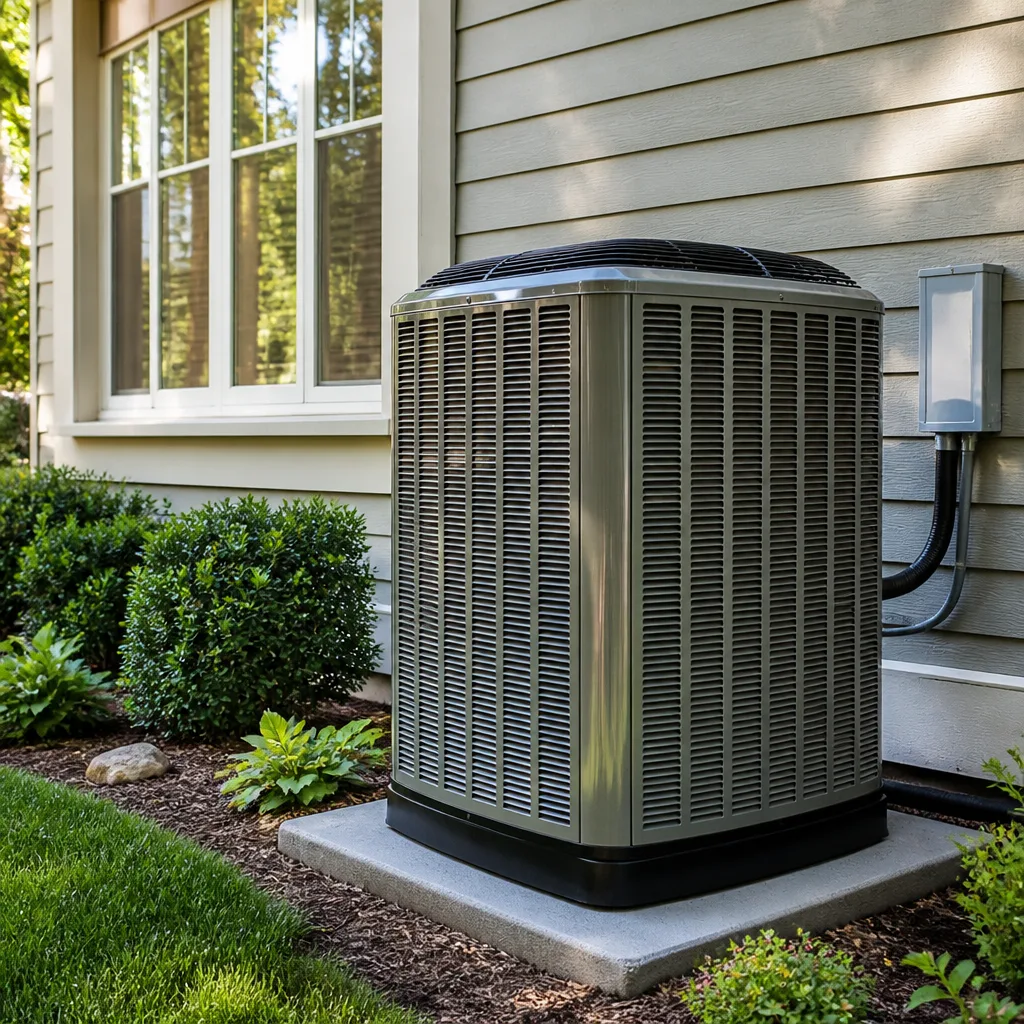 AC repair
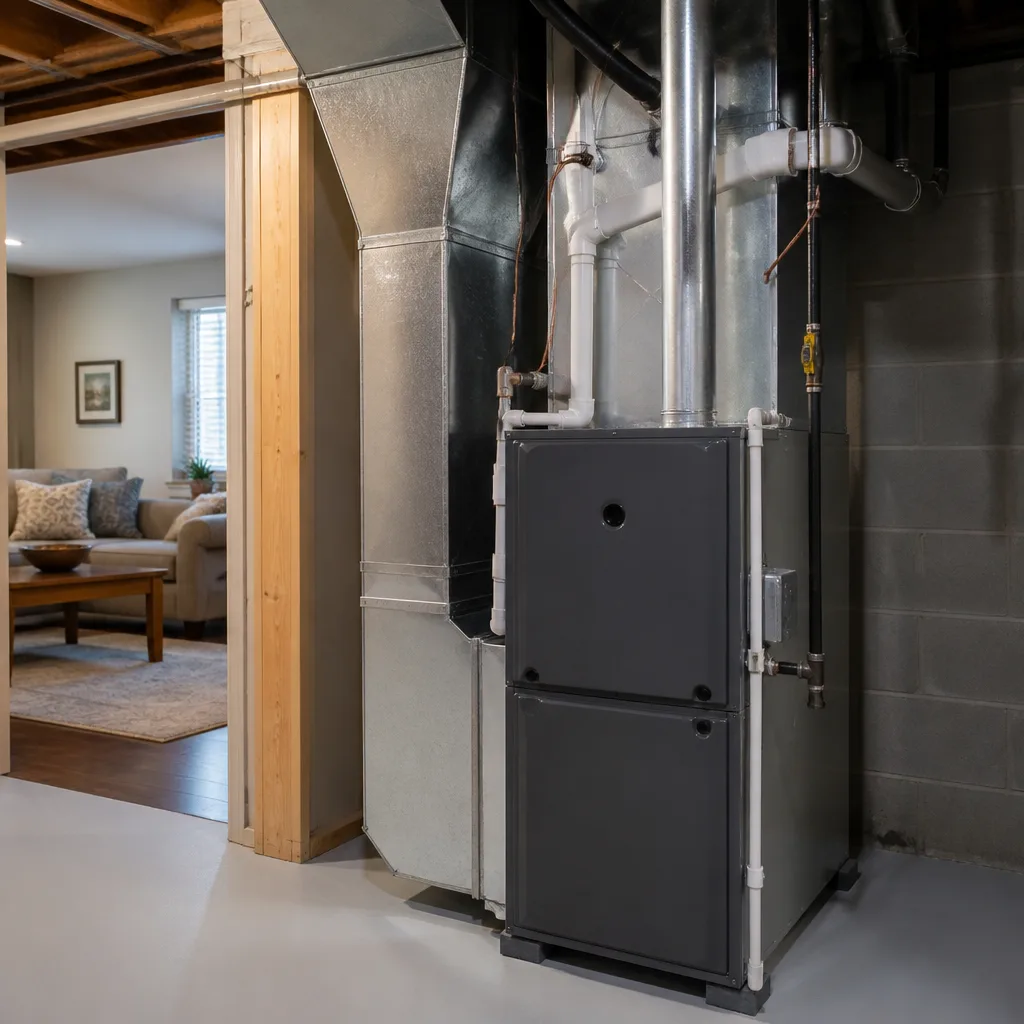 Furnace & heating
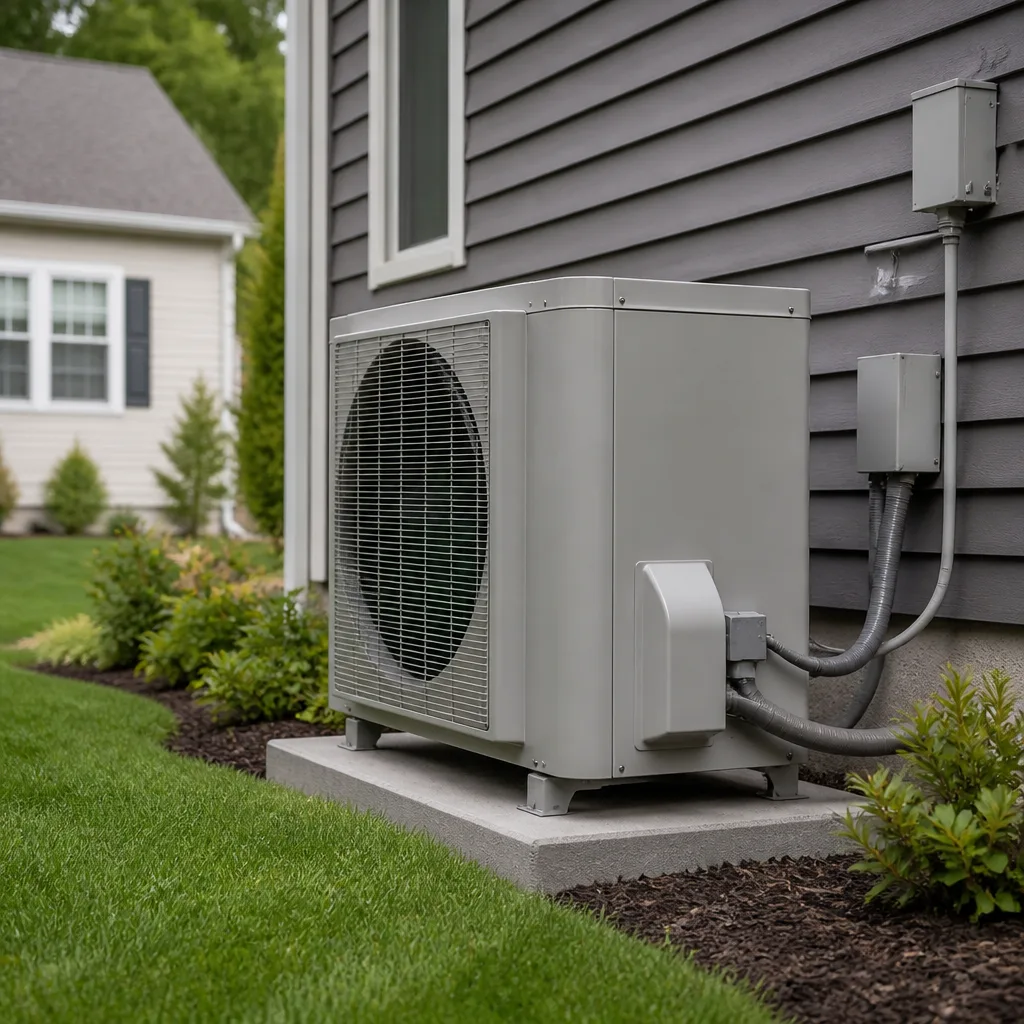 Heat pumps
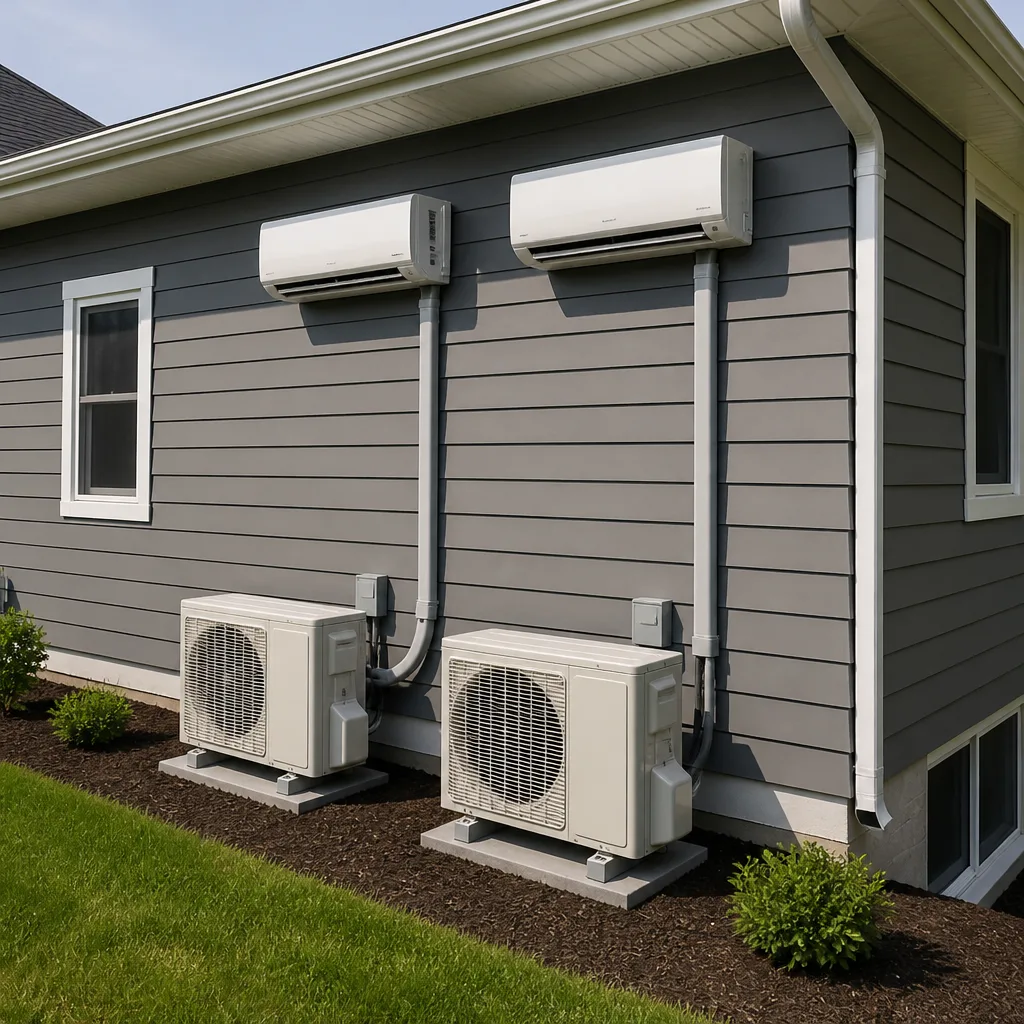 Ductless mini splits
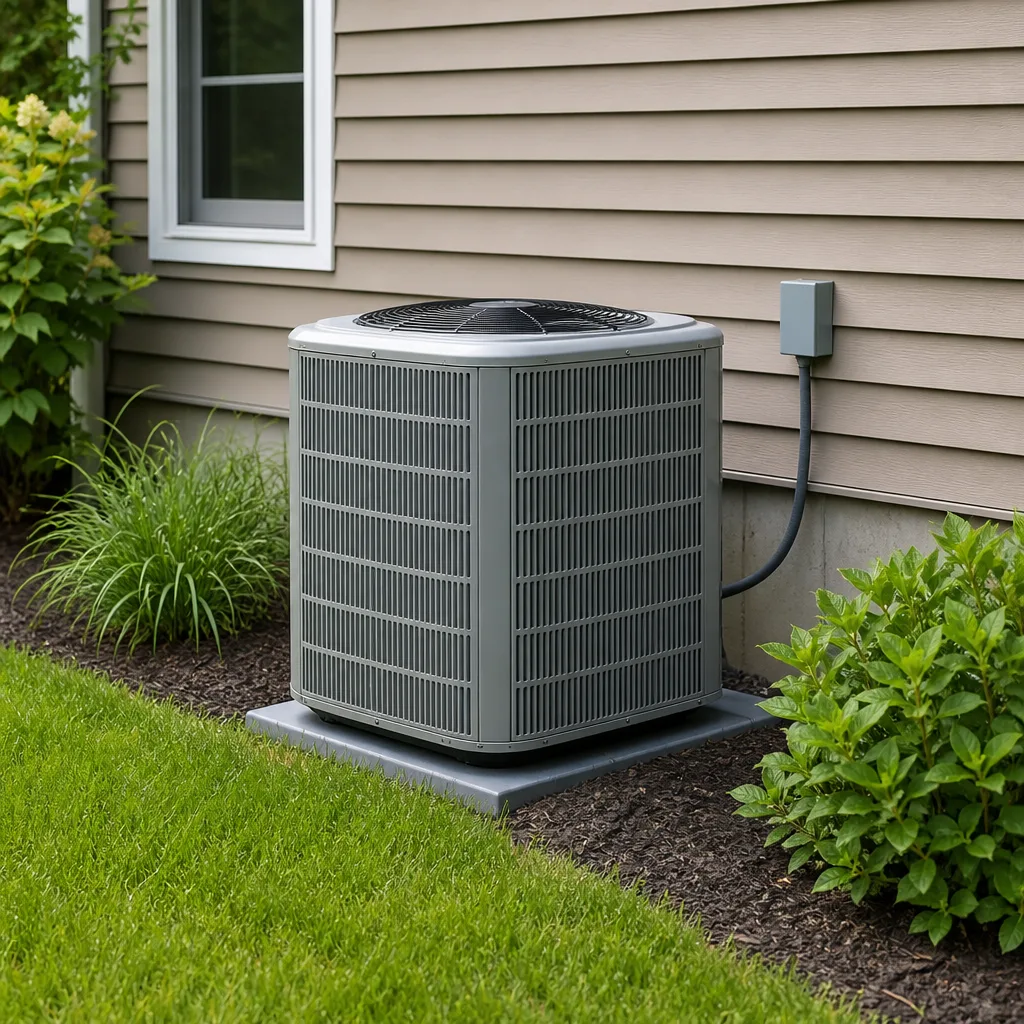 Carrier
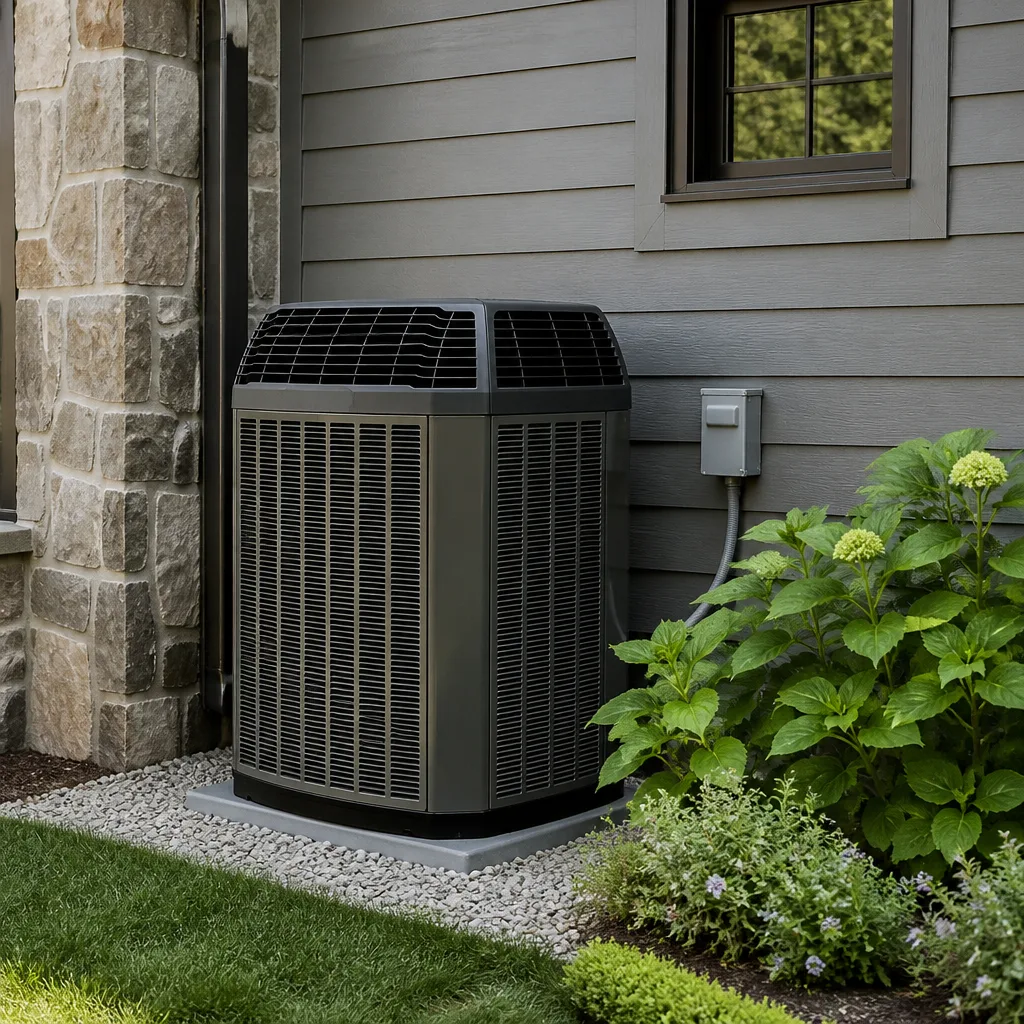 Trane
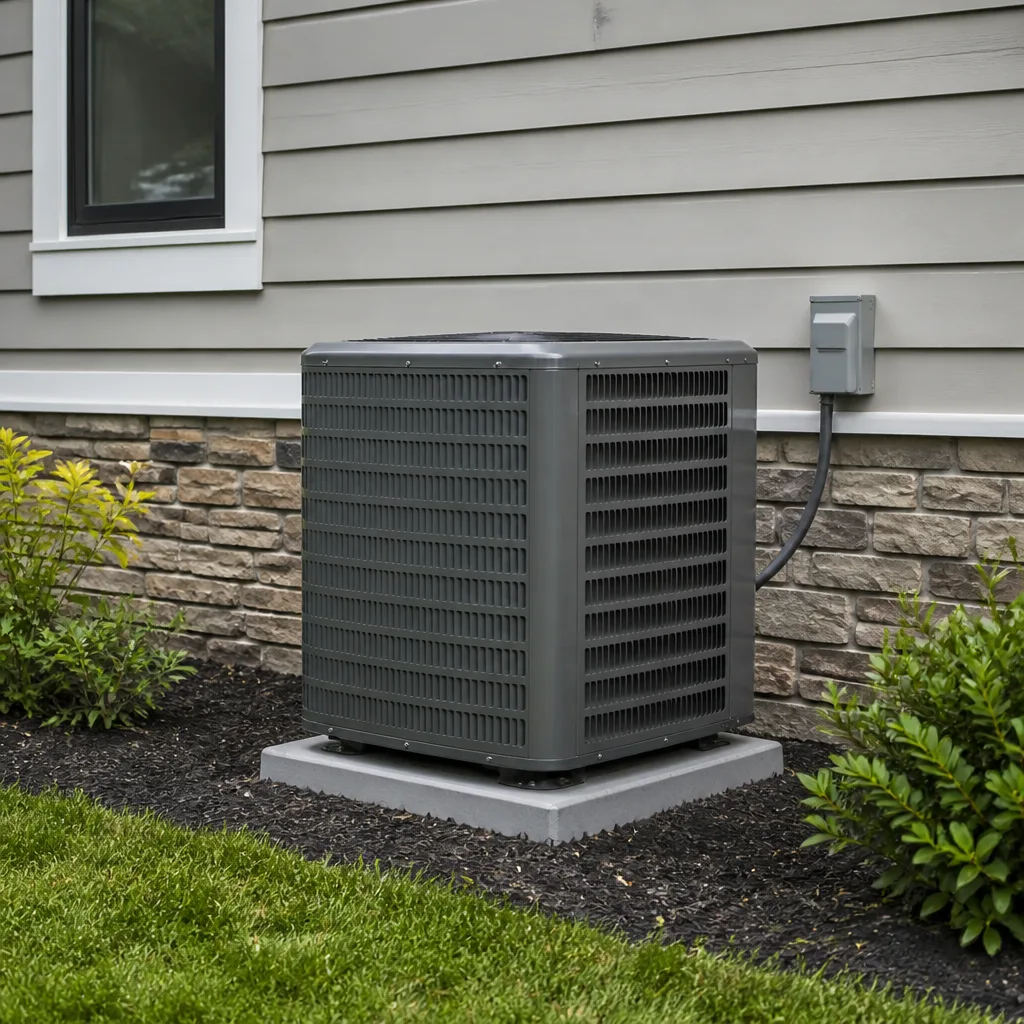 Goodman
Seasonal tune-up and full diagnostic on your Carrier, Trane, or Goodman system - readings shown to you before any repair is proposed
Diagnosis first, numbers second - you approve the repair price before a single part goes in.
Get your free estimateSeasonal HVAC Care for Lewisville: Year-Round Homeowner’s Guide
Most homeowners treat HVAC care as a four-season checklist copied from a national magazine. In Lewisville, that approach wastes your best maintenance window. Our summers don’t ease in politely, and our winters don’t announce themselves; the system goes from idle to full load in a matter of days. That means the most important weeks of the year aren’t January or July. They’re the quiet stretch before each season starts, when the system isn’t running hard and a technician can find a worn contactor, a weak capacitor or a cracked heat exchanger with the blower calm. This guide structures care around that reality: one long cooling season, a short heating season, and two narrow transition windows that carry most of the value.
Quick Answer
In Lewisville, seasonal HVAC care works best around two transition windows rather than four equal seasons: a pre-cooling service window in March and a pre-heating window in October. March carries the most value because a problem found then is caught before 100°F-plus demand stress-tests every component. Fall heating prep matters because a furnace that sits unused for months can fail on the first cold call, usually on the igniter. Logging what each service finds, year over year, makes later diagnostics faster and cheaper.
Styles & brands we work with
- AC repair
- Furnace & heating
- Heat pumps
- Ductless mini splits
- Carrier
- Trane
- Goodman
Table of Contents
- Why Lewisville Doesn’t Have Four Equal HVAC Seasons
- The March Window: The Highest-Value Maintenance Window of the Year
- Summer Load: How Sustained Heat Accelerates Component Wear
- Fall Heating Prep Calibrated to a Mild North Texas Winter
- Ice Storms and Hard Freezes: Protecting Outdoor Equipment
- Building a Two-Year Maintenance Log That Pays Off
- What to Know About Brand-Specific Service
- Common Mistakes to Avoid
Why Lewisville Doesn’t Have Four Equal HVAC Seasons
The standard advice you’ll read from manufacturers splits the year into spring, summer, fall and winter. That structure assumes each season stresses the system a little. Lewisville doesn’t work that way. Your cooling season runs long and hot enough that the system does months of near-continuous work, and the heating season is short enough that a furnace can sit dormant through spring, summer and fall before it’s called on in the first real cold snap. You get one demanding season, one modest one, and two in-between periods where equipment is essentially idle.
That unevenness shapes what maintenance should look like:
- Cooling equipment runs under sustained load for far longer than it does in more temperate climates. Wear compounds, and small inefficiencies become real cost over months of daily duty cycle.
- Heating equipment has an idle problem instead of a wear problem. Sitting unused lets dust accumulate on burners, igniters get stiff, and small issues hide until the first cold morning.
- Transition windows – the six-week stretches in March and October – are the only times when the system isn’t running at full demand and a technician can test it under safe conditions.
Those transition windows are the point of this guide. And that’s why we’ve told Lewisville homeowners the same thing again and again: use the shoulder season while the system isn’t working hard.
If you want the full picture of what Lewisville homes face, this guide covers it season by season. If you already know you want eyes on the equipment before summer, that’s what AC repair handles.
The March Window: The Highest-Value Maintenance Window of the Year
March is the single most valuable HVAC maintenance window in Lewisville. The cooling system isn’t yet running at full demand, so a technician can test components without the noise and pressure of peak operation. A problem found now costs less to fix than the same problem found in July, when the system is working at its limit and a failed part means days of discomfort while you wait on a schedule.
The work done in this window is specific:
- Capacitor and contactor check. These are the most common wear parts on a cooling system. Testing them while the unit is cool catches a weak capacitor before it fails under peak load and stalls the compressor.
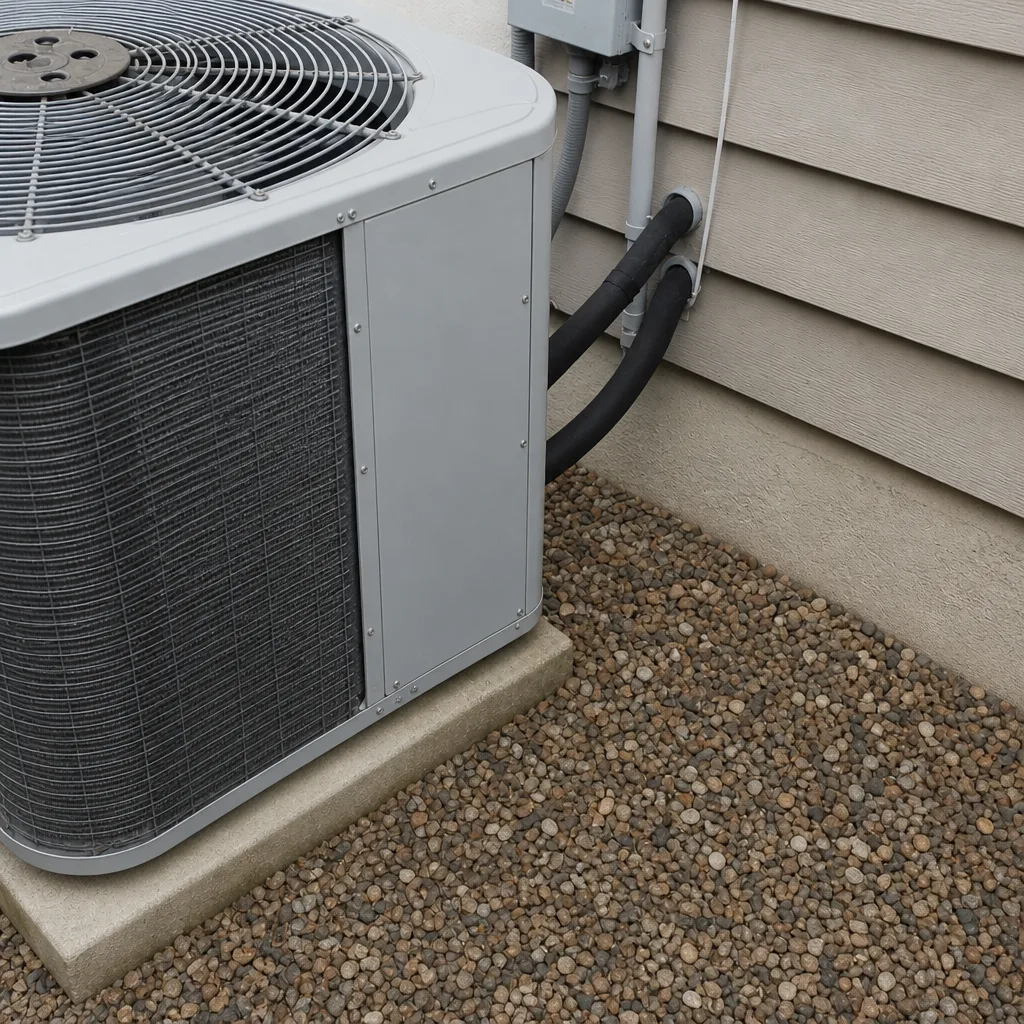
- Condenser coil clean. Dust, pollen and yard debris pack into the outdoor coil over the off season. Cleaning it now means the system runs at rated efficiency all summer instead of fighting a blocked coil.
- Refrigerant charge verification. Checking charge in March means a slow leak shows up as low pressure before summer demand makes the system run longer and hotter. A leak found early is a repair; a leak found in August after a compressor roasts is a much bigger job.
- Drain line flush. The condensate drain clogs quietly over the off season. Clearing it in March prevents a water leak onto the ceiling in June.
- Blower and indoor coil inspection. With the system idle, a technician can look at the indoor coil and blower for dust buildup without fighting the airflow.
This is the easiest repair to prevent and the hardest to deal with once summer arrives. That’s the whole argument for the March window. If your system has already had an issue, this is also the right time to bring a technician out before the heat. When you call, we’ll tell you straight what’s worth doing now and what can wait.
Summer Load: How Sustained Heat Accelerates Component Wear
In a milder climate, a cooling system runs a few hours a day through a short summer. In Lewisville, it can run most of the day for months. That shift in duty cycle changes what breaks and when.
Sustained load stresses equipment in specific ways:
- Compressors run hotter and longer. A compressor that would last through thousands of short cycles in a temperate climate sees far more continuous operating hours here. That’s why listening for a change in the compressor sound is worth doing – a growing rattle or hum is one of the earliest signs of trouble.
- Capacitors age faster. Heat is the enemy of an electrolytic capacitor. Summer heat plus continuous operation shortens its life. Replacing a weak capacitor proactively, rather than waiting for it to fail on a hot afternoon, is one of the cheapest moves you can make.
- Coils get dirtier. A system running continuously pulls more air across the coil, so the coil picks up dust faster than it would in a system that idles.
- Refrigerant leaks become more consequential. A small leak that would be a nuisance in a short summer becomes a compressor-killing problem when the system runs hot for months and starves the compressor of refrigerant.
During the summer, the two things worth monitoring are the compressor and the refrigerant charge. If you notice the system taking longer to cool, running continuously without cycling, or your electric bill spiking without an obvious cause, that’s the signal to call. If you’re already seeing those signs, this is the time to act before the equipment fails. We work on the brand you already have, including Rheem, York and Daikin systems, so a technician familiar with your equipment can diagnose it faster than a generic call.
Fall Heating Prep Calibrated to a Mild North Texas Winter
Heating prep in Lewisville isn’t about surviving a brutal winter. It’s about the fact that your furnace sits unused for most of the year and then gets called on, often suddenly. The most common failure we see on the first cold call is the igniter. It’s a part that can develop problems while the system sits idle – dust settling on it, a hairline crack that doesn’t matter until the first real demand – and it fails exactly when you need heat.
Fall heating prep should focus on the parts that fail from dormancy, not the parts that fail from overuse:
- Igniter inspection. Checking the igniter in October, before the first cold snap, means you find a weak one before it fails on a cold morning.
- Burner and flame sensor clean. Dust settles on burners over the off season. A dirty flame sensor will let the burners light and then shut them off within seconds – a common cause of “it runs but no heat.”
- Heat exchanger inspection. This is the safety check that matters most. A cracked heat exchanger can release carbon monoxide into the home. It’s not something to inspect casually; it’s a trained professional’s job, and we treat it as a safety-critical check, not an upsell.
- Filter change. The heating season uses the same filter as cooling. A clean filter at the start of the heating season matters as much as one at the start of cooling.
- Flue and vent check. Verifying the flue isn’t blocked or obstructed prevents a serious safety problem.
The furnace repair side of our business exists for exactly this: the first cold day and the heating failure that shows up on it. If you want the system tested before that day arrives, that’s what the fall window is for.
Ice Storms and Hard Freezes: Protecting Outdoor Equipment
Lewisville gets the occasional hard freeze and ice storm. They’re short, but they’re exactly the kind of event that damages outdoor equipment if you haven’t thought about it in advance. The heat pump or condenser sitting outside is built to tolerate cold, but ice accumulation around it and snow or sleet packed against the base can cause real problems.
What to do during a freeze or ice storm:
- Keep the area around the outdoor unit clear. Don’t let snow, sleet or fallen branches pile up against the unit. Clear the top and sides so air can move.
- Never break ice off the unit by hand. The coil fins are thin and bend easily; prying at ice can puncture a refrigerant line. If ice needs to come off, it should melt naturally or be handled by a technician.
- If the system ices up during a heat cycle, don’t ignore it. A heat pump goes into a normal defrost cycle, but if ice builds up and stays, there’s a problem with the defrost control. That’s a repair call, not a wait-and-see.
- After the storm, do a visual check. Look for bent fins, visible damage, or an outdoor unit that’s sitting off-level. If anything looks wrong, don’t run it – call and get it looked at.
On the heating side, a hard freeze is when the furnace or heat pump does its hardest work. If you’ve done the October prep, that work is much less likely to end in a failure. If you haven’t, this is exactly the scenario the fall window is meant to prevent. Call (844) 761-3596 and we’ll get a technician scheduled – free estimates, with the price set by a written estimate.
Building a Two-Year Maintenance Log That Pays Off
The single most underrated thing you can do for your HVAC system is keep a simple maintenance log. Not because the log itself fixes anything, but because it makes every future diagnosis faster, cheaper and more accurate. A technician who can see what was replaced and when doesn’t have to guess.
A basic two-year log has four columns:
- Date and season. Note whether it was a March pre-cooling check or an October pre-heating check. Two years of that tells you whether the system is trending in a direction.
- What was tested and what was found. Capacitor readings, refrigerant charge, igniter condition, filter condition. Specifics matter – “capacitor tested at X microfarads” is worth more than “checked.”
- What was replaced and when. Every part gets a date. If the same part fails twice in eighteen months, that’s a signal worth seeing.
- Any symptom the homeowner noticed. “Ran longer to cool in June, then corrected after service” is the kind of note that helps a technician connect cause to effect.
Two years is enough to see a pattern – the same capacitor aging out, the same drain line clogging, the same igniter failing. That pattern is the difference between a technician guessing and a technician knowing. We keep a record of what’s been done to a system; you keeping your own copy means you can compare notes and see when something’s due. When you call us for a service visit, bring the log – it saves diagnostic time and makes the first appointment more productive.
What to Know About Brand-Specific Service
One underrated part of a Lewisville homeowner’s seasonal care is knowing that whoever services the system actually knows the equipment. A technician who’s familiar with Bryant controls, with Rheem’s specific component layout, or with Daikin’s system design will diagnose faster and less likely to default to “replace it.” That’s the repair-first approach we take: fix what you have before recommending replacement.
That’s why we work on the brands most commonly installed in Lewisville homes – Carrier, Trane, Lennox, Goodman, Rheem, York, Daikin, Bryant and American Standard. If you’ve got one of those, a technician familiar with it can walk in and know what to check. That familiarity matters most in the transition windows, when a careful inspection is more valuable than a generic service call. The thermostat reads the house, but the brand determines what to look for. Seasonal care done right means servicing the equipment you have, not steering you toward a new system before you need one.
Common Mistakes to Avoid
- Waiting for the first hot day to service the system. By then you’re diagnosing at 104°F with the system already under stress, and the wait for a technician is longer. The March window exists for the opposite reason.
- Skipping fall heating prep because “it doesn’t really get cold here.” The mild winter actually raises the risk that the igniter fails on the first cold call, because the system sat unused for months before it was needed. The dormancy is the risk, not the cold.
- Ignoring a change in the compressor sound. A growing rattle or hum is an early warning sign. Catching it in March is a repair; catching it in August after the compressor burns out is a much bigger job.
- Breaking ice off an outdoor unit by hand. The coil fins bend easily and a punctured refrigerant line is a serious problem. Only trained hands should handle an iced-up unit.
- Not keeping any record of what’s been serviced. Without a log, every technician starts from scratch and the same failure can go undetected for years. The log is the cheapest diagnostic tool you have.
- Assuming the system needs replacement because a part failed. A failed capacitor or igniter is a repair; a technician who jumps straight to replacement costs you more than the fix would. The repair-first approach exists for exactly this reason.
- Skipping the drain line flush. A clogged condensate line overflows onto the ceiling in the middle of summer. Flushing it in March takes minutes and prevents a damaging water leak.
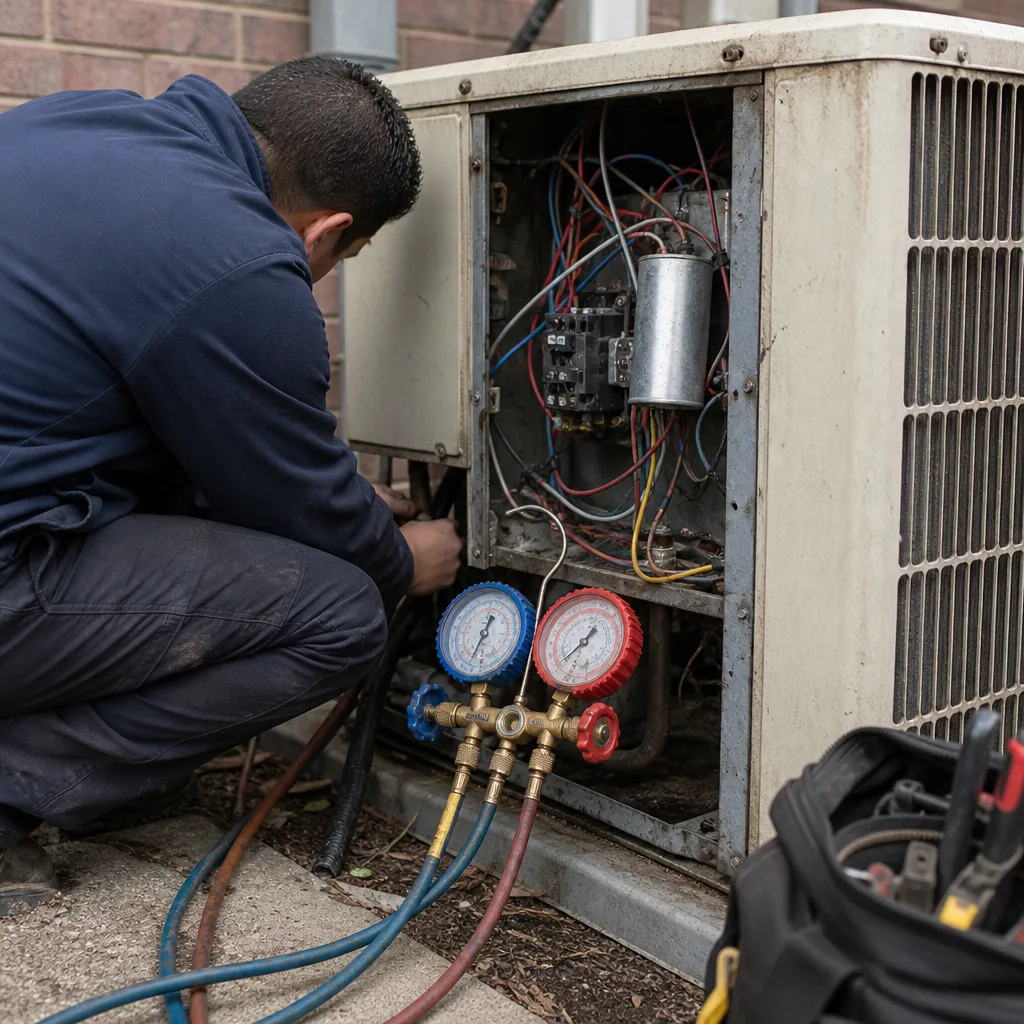
See the difference
 Before
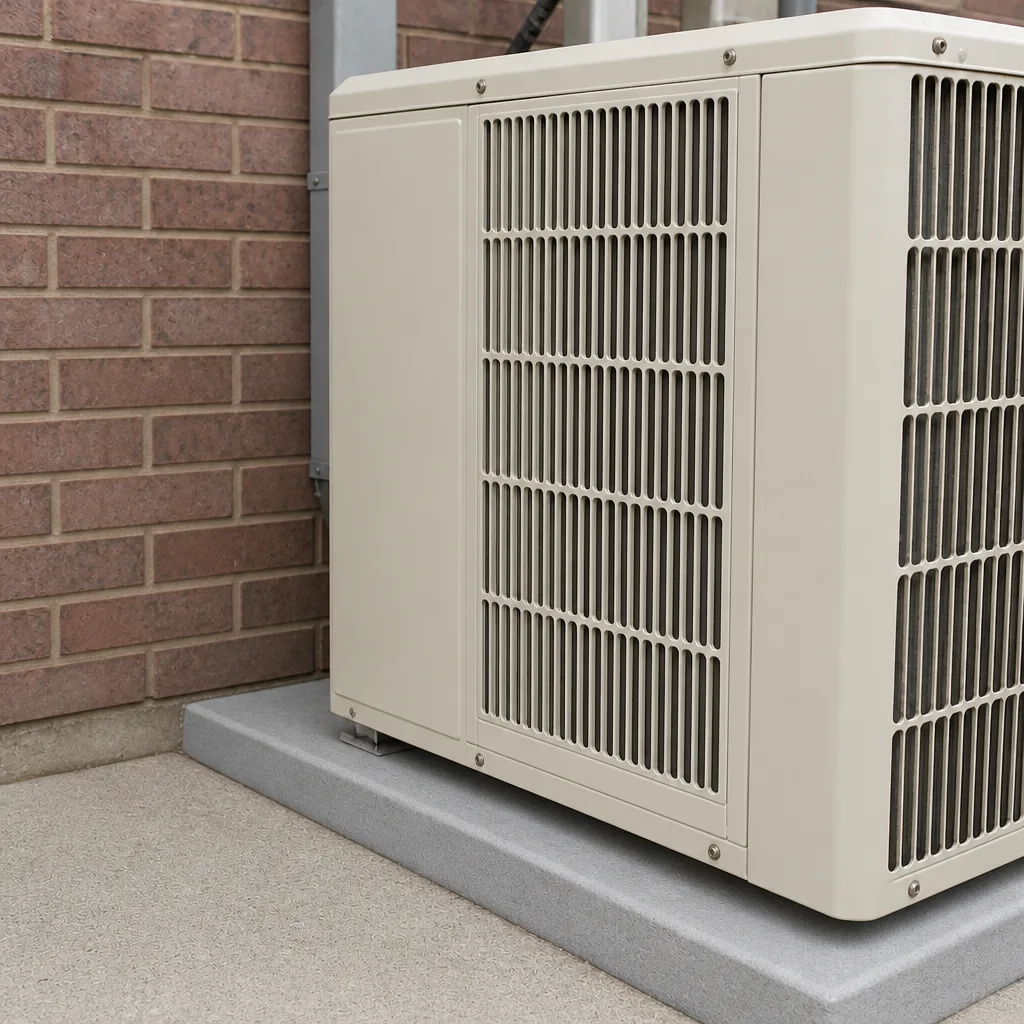 After
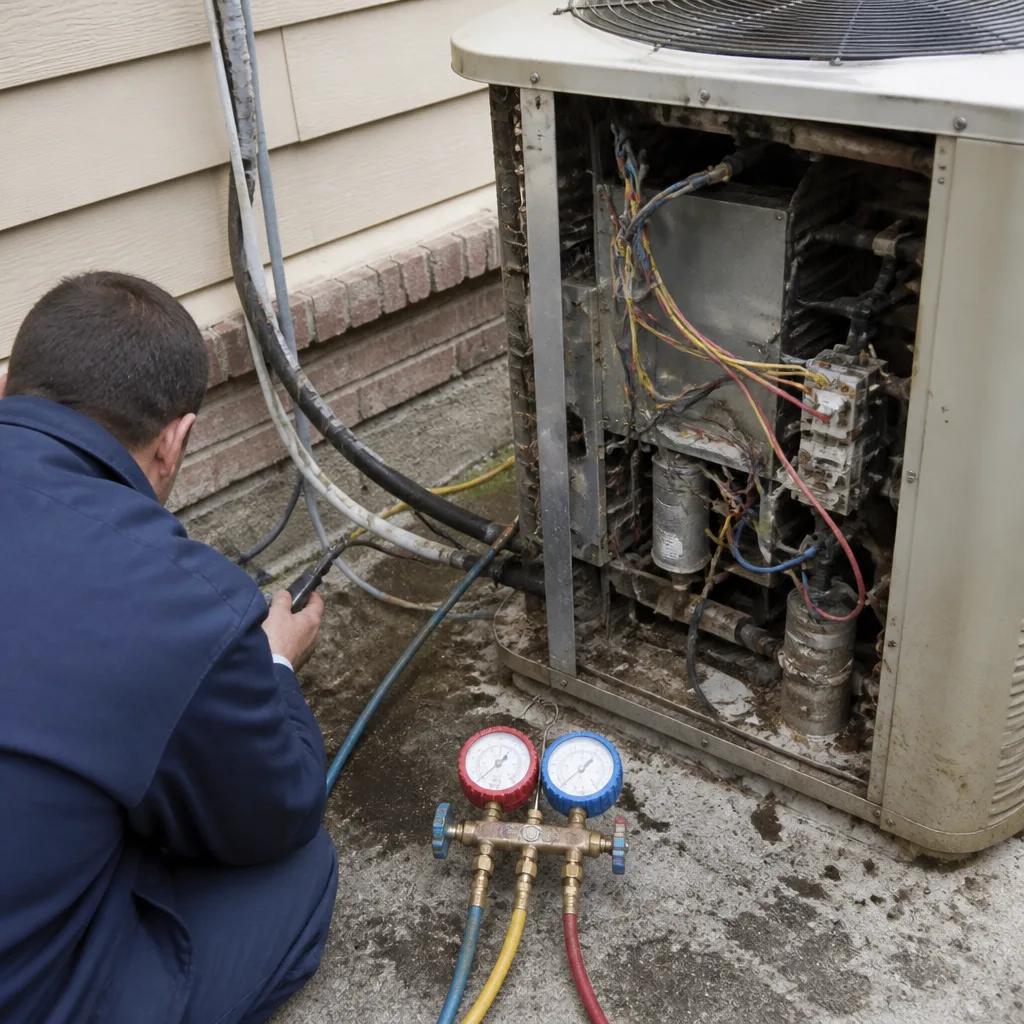 Before
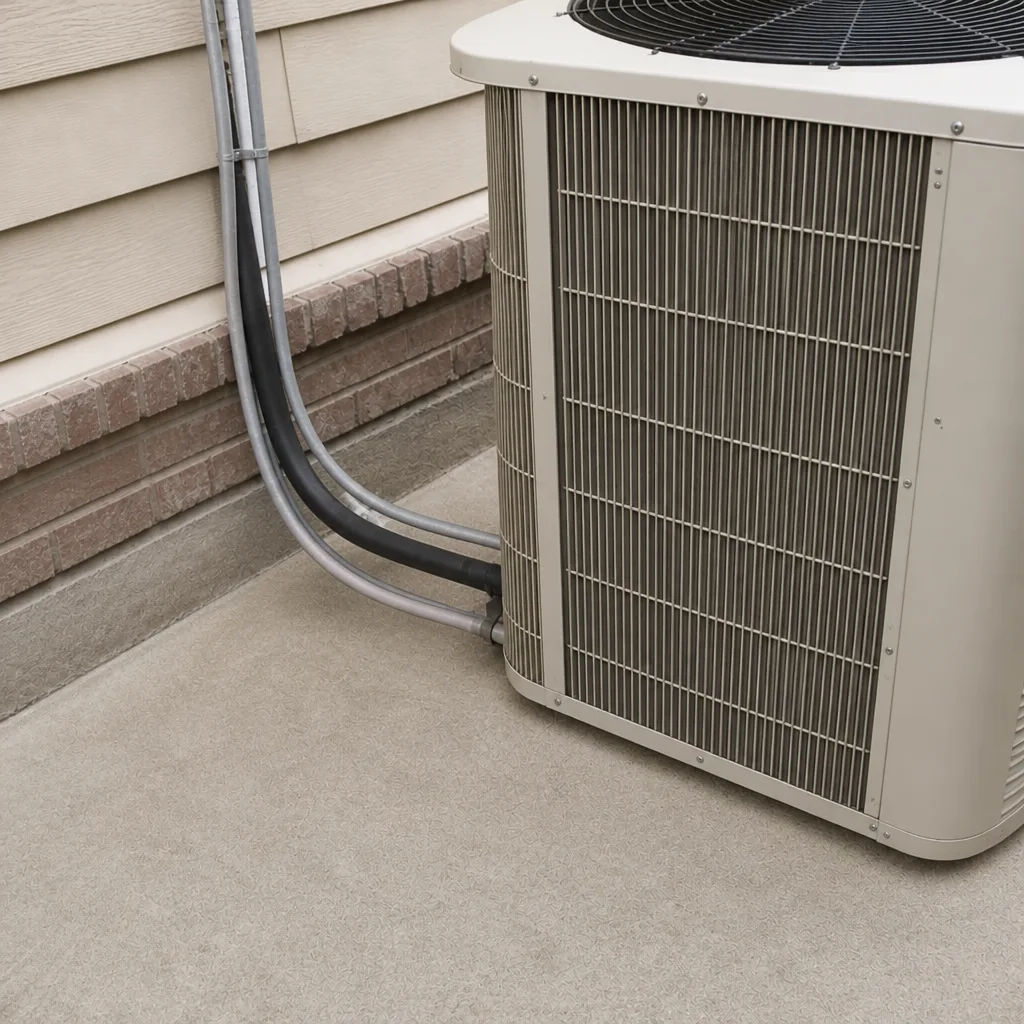 After
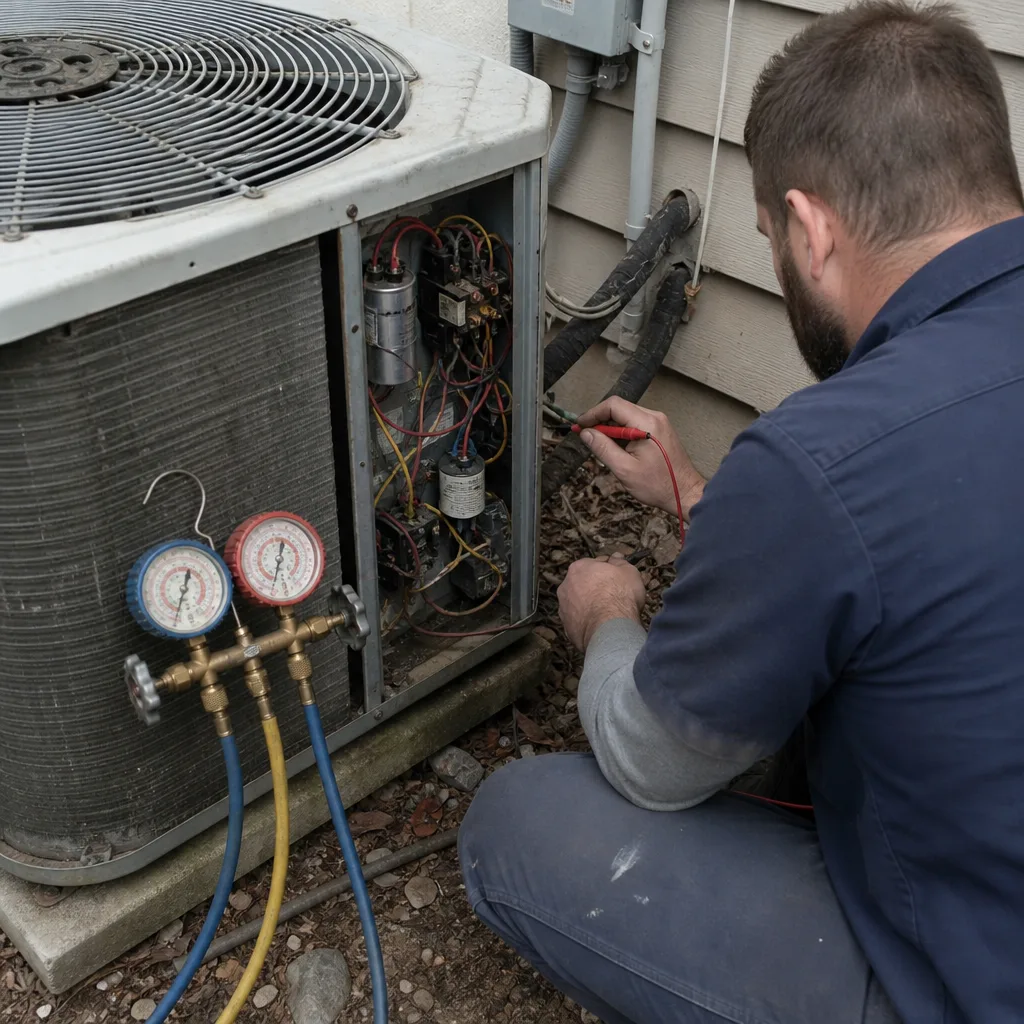 Before
 After
When to Call a Professional
Some seasonal care you can handle yourself – a filter change, clearing debris from around the outdoor unit, a visual check after a storm. The rest is a professional’s work, and some of it (heat exchanger inspection, refrigerant handling) is safety-critical. Call a professional when you notice a change in compressor sound, when the system runs continuously without cycling, when the first cold snap produces “it runs but no heat,” when the electric bill spikes without an obvious cause, or when a hard freeze or ice storm has left visible damage on the outdoor unit. Rutherford AC Repair offers free estimates in Lewisville – call (844) 761-3596. We answer 24/7. Fast dispatch from 7am to 7pm, Sunday through Friday. The price is set per job by a written estimate, no surprises.
Frequently Asked Questions
March is the highest-value window – the system isn’t yet running at full demand, so a technician can test components without the noise and pressure of peak operation. A problem found in March costs less to fix than the same problem found in July, when the system is working at its limit. If you’ve already seen an issue, call sooner.
Once a year, in the fall, before the first cold snap. The goal isn’t a heavy winter inspection; it’s catching the parts that fail from dormancy. The igniter is the most common failure. A furnace that sits unused for months can develop a weak igniter that fails exactly when you need heat, so an October check is the right time.
Yes, but not by breaking ice off by hand. Keep snow, sleet and debris from piling up against the unit so air can move. If ice builds up and stays after the storm, don’t run the system – that’s a sign of a defrost control problem. Call and we’ll get a technician out. If anything looks damaged or off-level, don’t run it at all.
It can, but the failure points are usually the ones that failed from sitting idle. The igniter wears from dust and inactivity; the flame sensor gets dirty. If your furnace passed last heating season and sat unused through summer and fall, the first cold snap is when a dormant issue shows up. A simple fall check catches it first.
In Lewisville, sustained summer load means the system is designed to run a lot. But “running longer than usual,” “running without cycling,” or “a spike in the electric bill” are signals to call. The likely culprits are a weak capacitor, a refrigerant leak or a coil packed with dust. Catching these in March, before peak load, is the reason the transition window works.
Four things: the date and season, what was tested and found, what was replaced and when, and any symptom you noticed. Two years of that shows a pattern – the same capacitor aging out, the same drain line clogging – which makes a technician’s diagnosis faster and cheaper. Bring your log to the service visit and it works better.
The Bottom Line
Lewisville HVAC care is about two transition windows, not four equal seasons. The March window is where most of the value sits: catching a capacitor, a refrigerant leak or a clogged drain before summer puts pressure on every component. The October window is about the parts that fail from dormancy – the igniter, the flame sensor, the dirty burner. Summer is about monitoring the compressor and the charge; the freeze season is about the outdoor unit and a visual check after the storm. And a two-year maintenance log makes every future diagnosis faster and cheaper. Fix what you have before you replace it; that’s how we work. If you want the full picture, our home page has the overview.
Rutherford AC Repair – free estimates, upfront pricing, written estimate per job. Call (844) 761-3596. We answer 24/7. Fast dispatch from 7am to 7pm, Sunday through Friday. We’re closed on Saturday. For more on Rutherford AC Repair, or if you’re weighing AC installation, our team is ready to talk. Learn more at our Lewisville service area page and our AC repair page. We work on the brand you already have, with technicians who have up to 15 years of experience.
Written by the team at Rutherford AC Repair.