
Last updated November 15, 2026
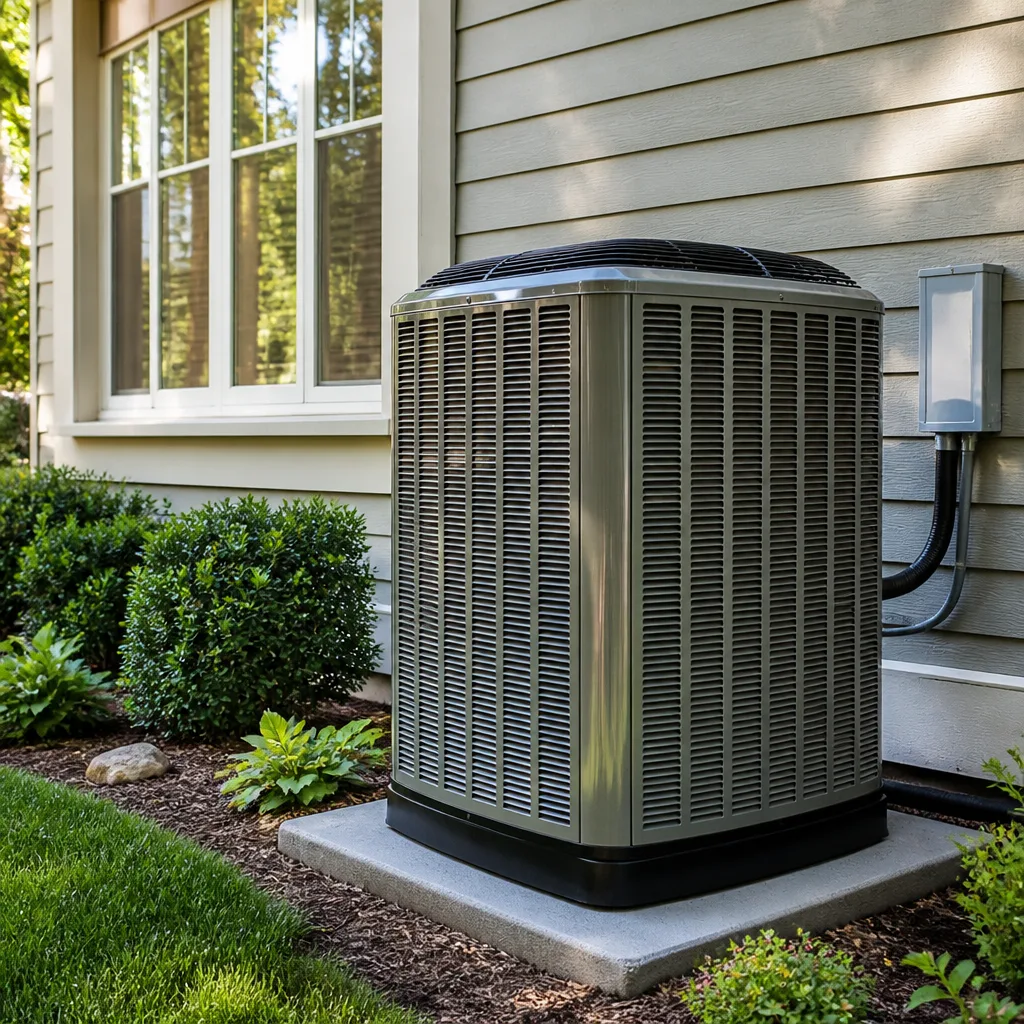 AC repair
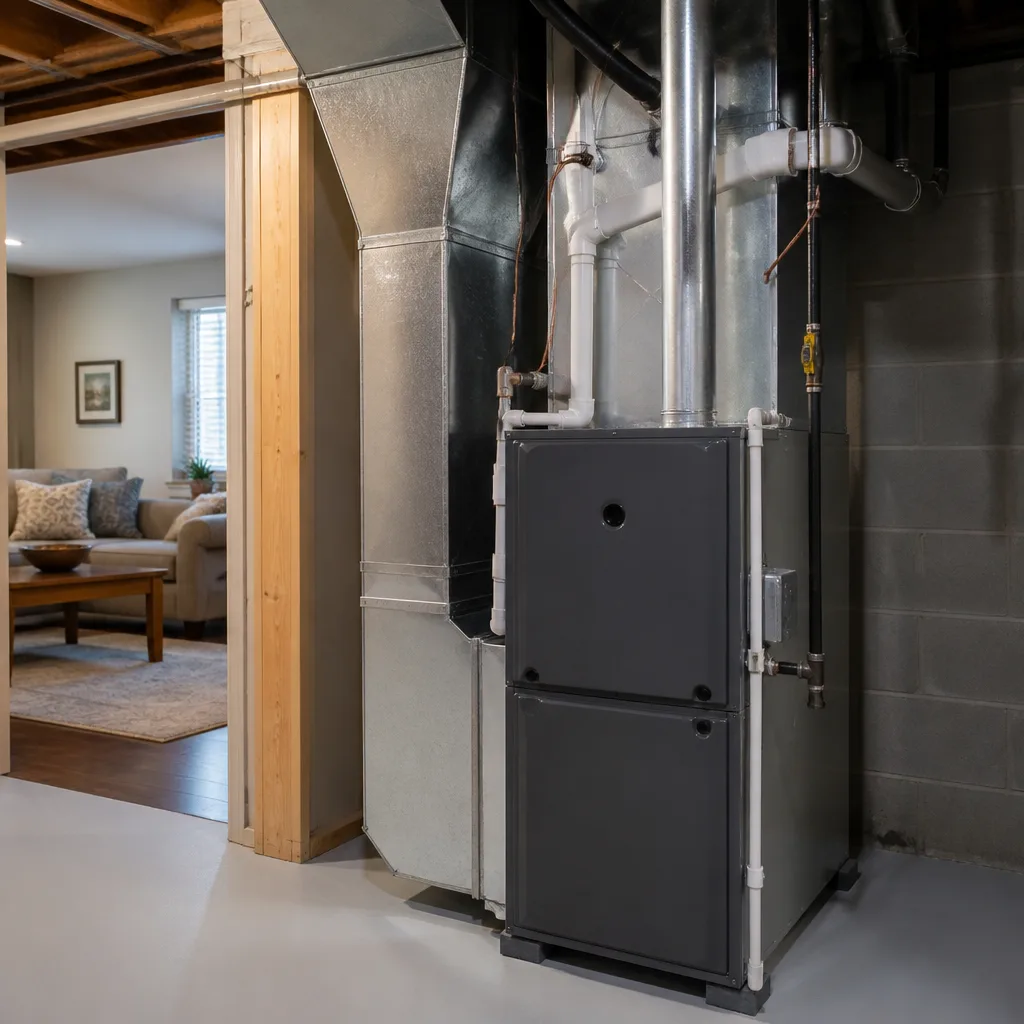 Furnace & heating
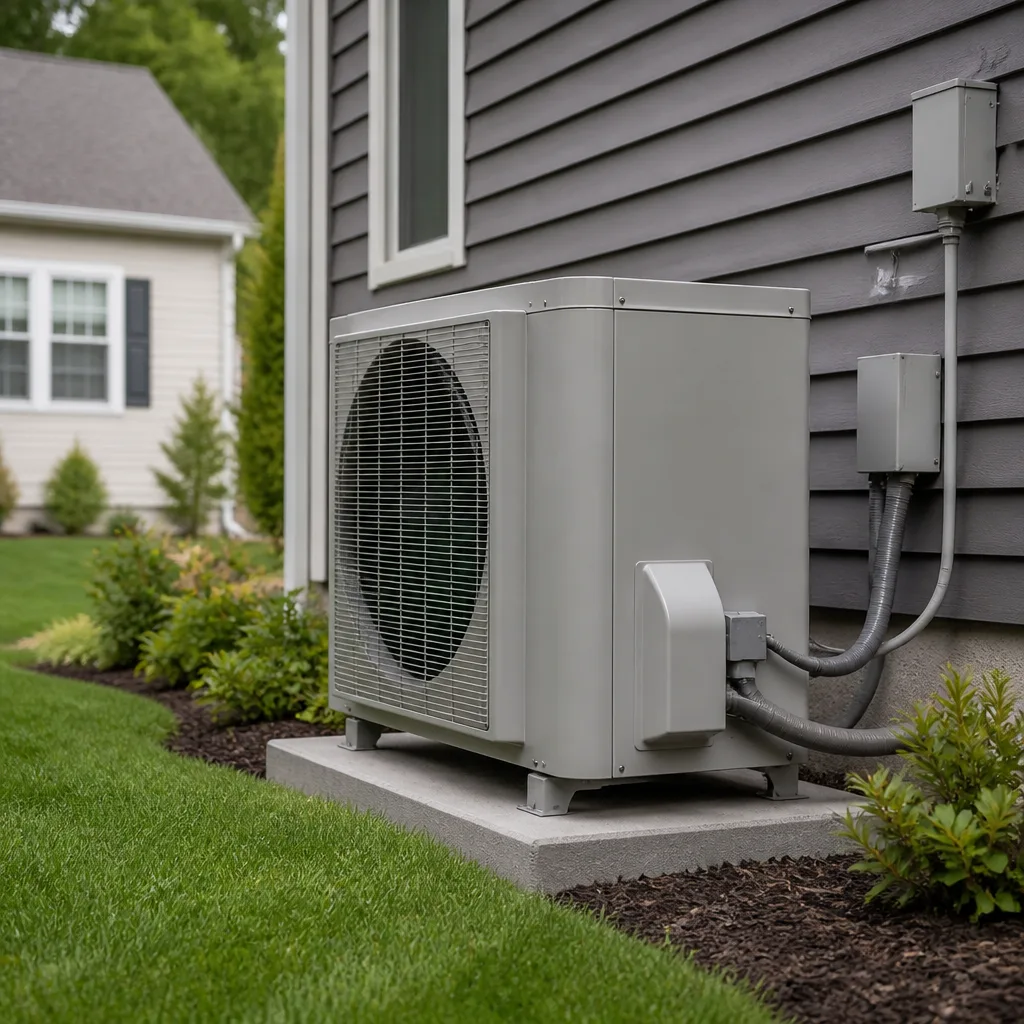 Heat pumps
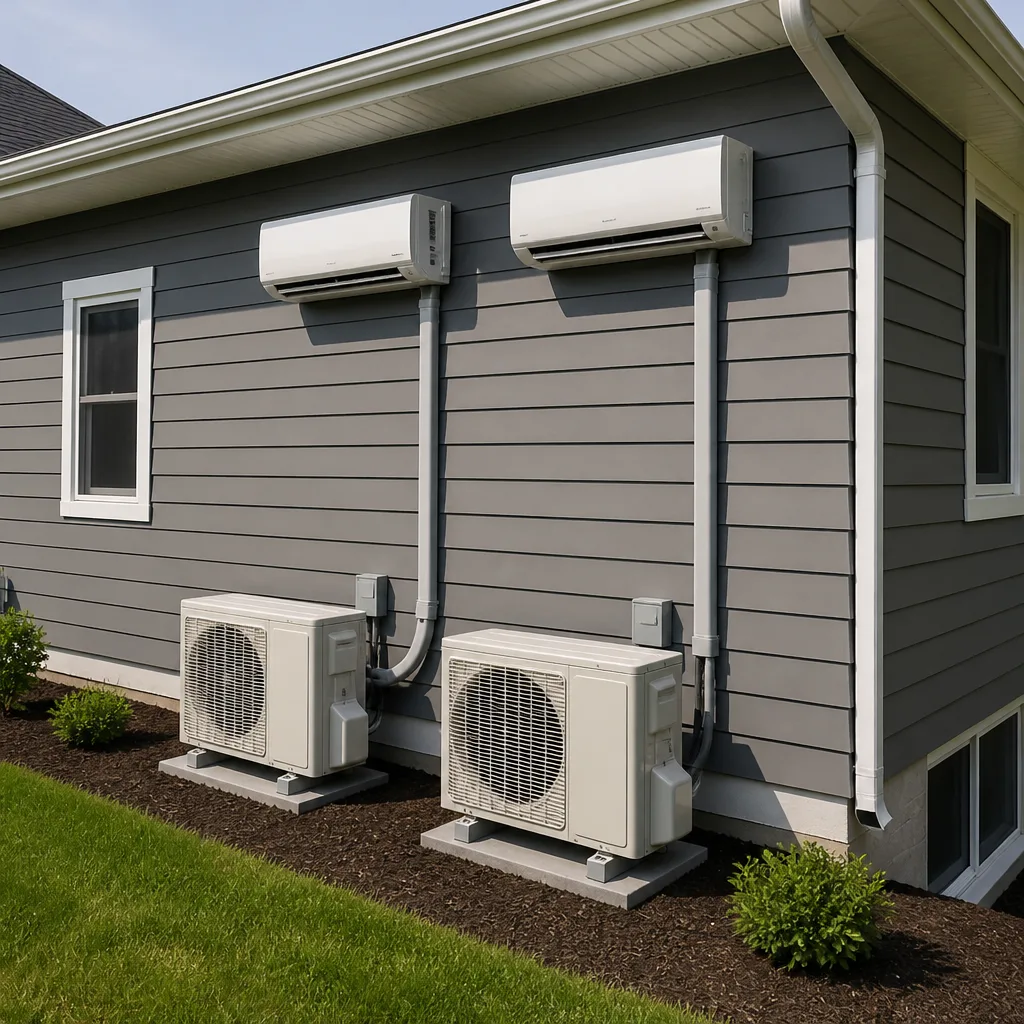 Ductless mini splits
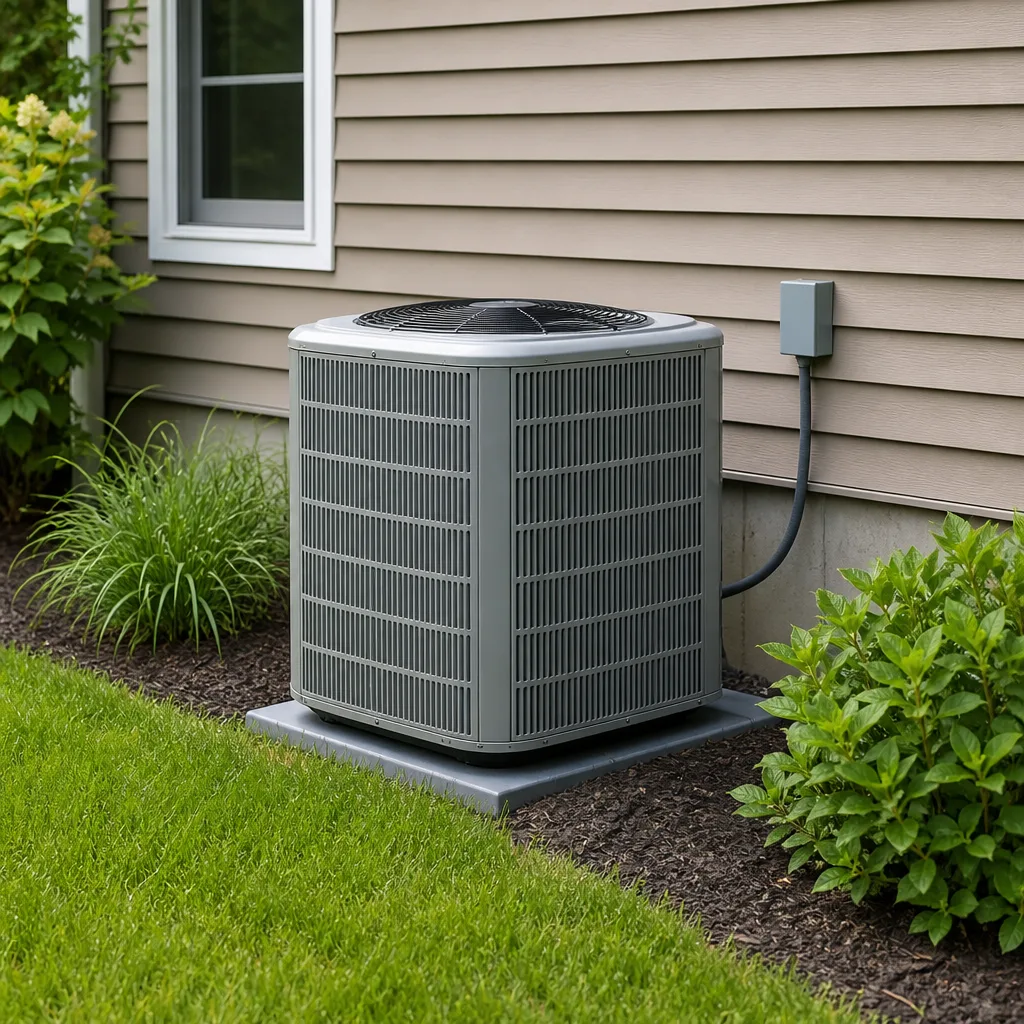 Carrier
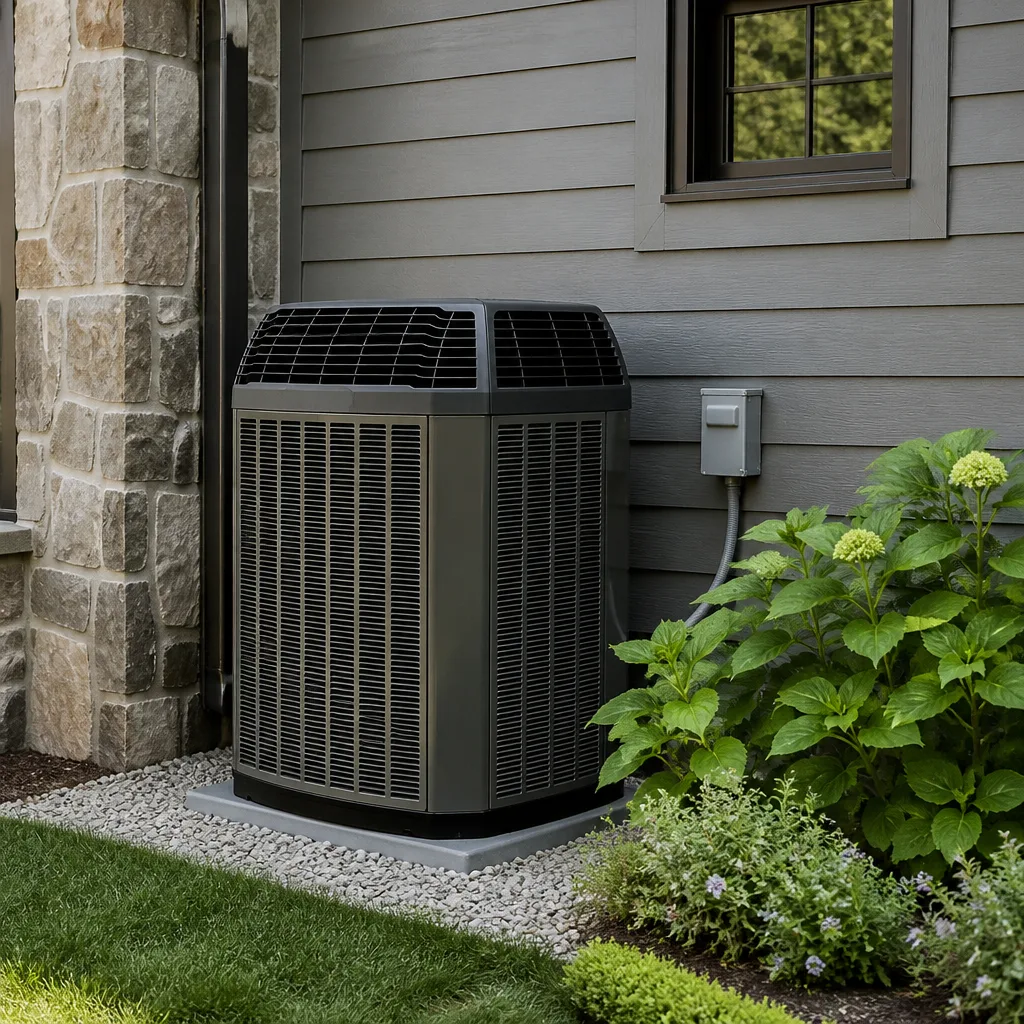 Trane
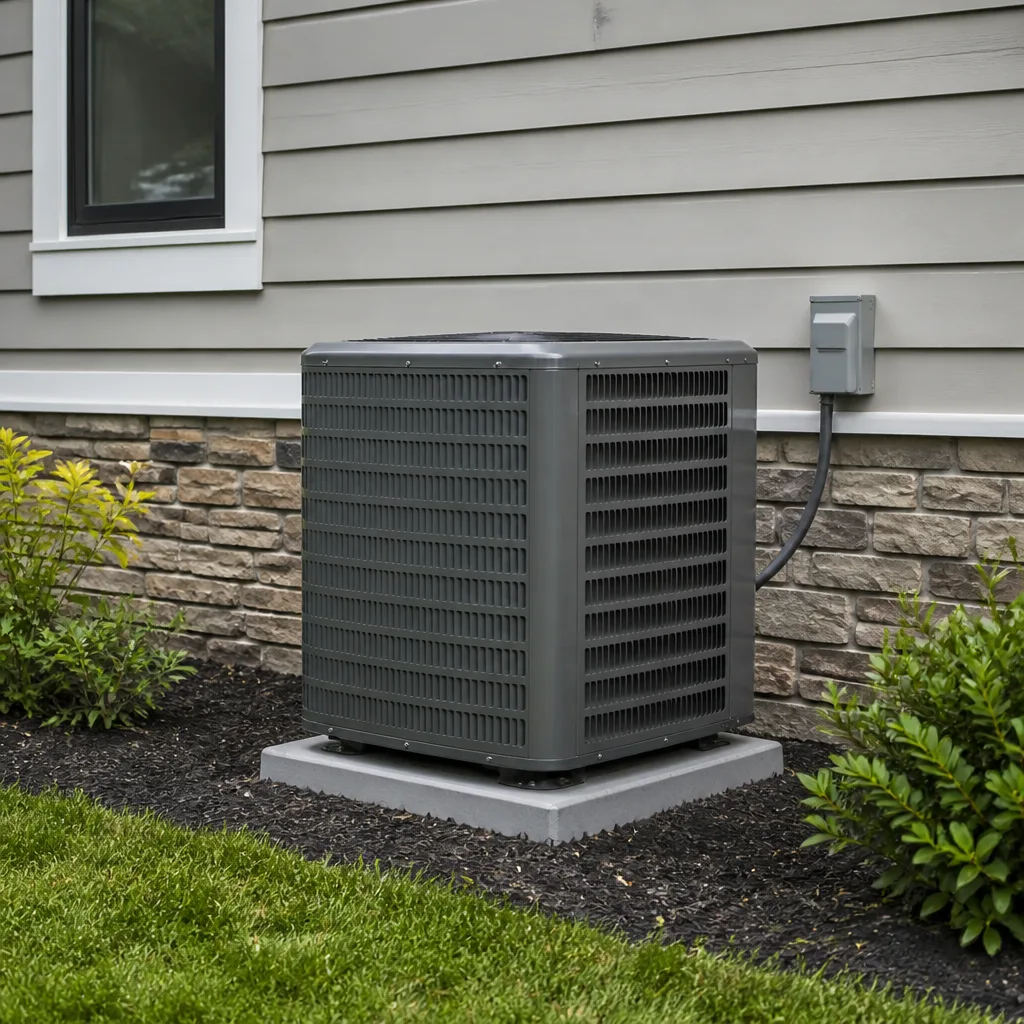 Goodman
Seasonal tune-up and full diagnostic on your Carrier, Trane, or Goodman system - readings shown to you before any repair is proposed
Diagnosis first, numbers second - you approve the repair price before a single part goes in.
Get your free estimateAC Repair Troubleshooting in Lewisville: Common Problems and How to Fix Them
The single most common reason a technician finds nothing wrong on an AC service call is that the homeowner described the symptom wrong. “It stopped working” covers about fifteen distinct failure modes, and the fix for each one is different. A system that runs but blows warm air is not the same problem as a system that short-cycles every few minutes, even though both leave you uncomfortable. This guide teaches you to match the right symptom pattern to the right likely cause before you call anyone in Lewisville, so the diagnosis starts before a technician ever reaches your driveway.
Quick Answer
Most AC problems in Lewisville trace back to one of three root causes: restricted airflow (dirty filter, blocked return, closed vents), low refrigerant (a leak, not just a top-off), or an electrical fault (tripped breaker, failing capacitor, bad contactor). Check your filter and thermostat first, because those two fixes resolve roughly 20% of “broken AC” calls without any professional help. If the system is blowing warm, icing up, or short-cycling, shut it off and call a technician rather than letting it run.
Styles & brands we work with
- AC repair
- Furnace & heating
- Heat pumps
- Ductless mini splits
- Carrier
- Trane
- Goodman
Table of Contents
- The Symptom-First Decision Tree
- System Runs But Doesn’t Cool
- Short Cycling: Start and Stop Every Few Minutes
- Ice Buildup on the Lines or Coil
- Unusual Noises and What They Signal
- Tripping Breaker and Electrical Symptoms
- The Thermostat and Filter Checks That Fix 20% of Calls
- What to Have Ready When You Call
The Symptom-First Decision Tree
Start with what the system is actually doing, not what you think is broken. The observable behavior narrows the cause down faster than any guess about parts. Lewisville summers push systems hard for months on end, so a lot of the failures we see are wear-related rather than sudden catastrophic breakdowns. Here is how the main symptom patterns map to likely causes.
- Runs but blows warm air: low refrigerant, a failing compressor, a bad capacitor, or a reversing valve issue on a heat pump. Shut it down if the outdoor unit is running with no cooling.
- Short cycles (on and off every few minutes): oversized system, restricted airflow, low refrigerant, a failing thermostat, or a dirty condenser coil causing high head pressure.
- Ice on the indoor coil or refrigerant lines: low refrigerant or severe airflow restriction. Shut it off immediately; running it frozen can damage the compressor.
- Trips the breaker: a shorted compressor, a failing capacitor, a loose connection, or a grounded wire. Stop resetting it and call a technician.
- Grinding, screeching, or rattling: a failing blower bearing, a loose fan blade, or debris in the outdoor unit. Some noises are cosmetic, some mean imminent failure.
- Runs constantly but never satisfies the thermostat: undersized system, leaking ductwork, low refrigerant, or a dirty filter choking airflow.
If you’re still narrowing it down after that, our AC repair team can talk through the symptom pattern with you before anyone heads out, which often saves a trip. The rest of this guide walks through each pattern in detail, including which ones are safe to watch for a day and which ones mean shut it down now.
System Runs But Doesn’t Cool
This is the most common call we get, and it splits into two very different situations: the outdoor unit is running, or it’s silent. If the outdoor condenser fan and compressor are humming along but the air from the vents is warm, you likely have a refrigerant or compressor problem. If the outdoor unit is completely quiet while the indoor blower runs, you probably have an electrical or control issue.
Telling these apart without touching any components is straightforward:
- Listen at the outdoor unit. If you hear the compressor running, the system is trying to cool and failing. That points to low refrigerant or a compressor that’s losing efficiency.
- Feel the large insulated line. Normally it’s cold and sweating. If it’s warm or room temperature while the unit runs, refrigerant is likely low.
- Check the air handler or furnace blower. If it’s running but weak, you may have a blower issue or an airflow restriction rather than a refrigerant problem.
- Look at the thermostat display. If it’s blank or showing a fault code, the system isn’t even being told to cool.
The distinction matters because the fixes are completely different. A refrigerant leak requires finding the leak, repairing it, and recharging, which is technical work. A capacitor replacement is a small electrical fix. An airflow problem is often a filter or duct issue. Don’t assume “no cool air” means “needs a new system” – we see that leap made constantly, and it’s usually wrong. Brands like Carrier, Trane, and Lennox systems in Lewisville homes often have a lot of service life left when the actual problem is a bad capacitor or a slow leak.
Short Cycling: Start and Stop Every Few Minutes
Short cycling means the system runs for a few minutes, shuts off, then starts again, over and over. It’s one of the hardest symptoms to self-diagnose because it looks almost identical to a system that’s just keeping up, but the consequences are serious: it wears out the compressor, drives up your electric bill, and stops the system from actually removing humidity from your home.
The most common causes, roughly in order of frequency:
- Restricted airflow. A clogged filter, a blocked return grille, or closed supply vents cause the evaporator coil to get cold too fast, triggering a safety shutdown.
- Dirty condenser coil. In a Lewisville summer, the outdoor coil collects dust, grass clippings, and pollen. A dirty coil raises head pressure and the compressor cuts out on a safety.
- Low refrigerant. Low charge leads to a frozen coil, which leads to short cycling.
- Oversized system. A system that was installed too large for the house cools the air fast but doesn’t run long enough to dehumidify, so it cycles on and off constantly.
- Failing thermostat or control board. A thermostat reading the room wrong or a control board with a loose connection can cause false starts and stops.
Here’s the practical test: change the filter, open every supply and return vent in the house, then watch the system for twenty minutes. If it still cycles every few minutes, it’s not airflow – it’s refrigerant, electrical, or sizing, and that needs a technician. A system that short-cycles in a Lewisville home during a July afternoon and a system that does the same thing in the mild shoulder months often have different root causes, so note the conditions when it happens.
Ice Buildup on the Lines or Coil
Ice on the refrigerant lines or the indoor coil means the system is running below freezing on the evaporator side, and it’s a sign to shut the unit down immediately. Running a frozen system can slug liquid refrigerant back to the compressor, which is the single most expensive failure in residential AC. Do not just scrape the ice off and restart it – it will freeze again within a day if the underlying cause isn’t fixed.
Two causes account for nearly all ice buildup:
- Low refrigerant. A leak drops the pressure at the evaporator, which drops the temperature, which freezes any moisture in the air onto the coil. Ice appears first at the indoor unit and the large line.
- Restricted airflow. A dirty filter, a collapsed flex duct, a blocked return, or a failing blower motor all starve the coil of warm air. Without warm air across the coil, it gets too cold and freezes.
The fix for low refrigerant is finding and repairing the leak, then charging to the manufacturer’s spec. The fix for airflow restriction is clearing the filter, ducts, or blower. A technician can tell which one is happening in a few minutes with gauges and a temperature split across the coil. If the ice is on the outdoor unit or the small line rather than the indoor coil, that can point to a different issue entirely, such as a partially blocked metering device. Either way: shut it off, leave the fan on to thaw it slowly, and call for service rather than restarting it.
Unusual Noises and What They Signal
Noises are one of the most reliable diagnostic clues you have, because each sound pattern tends to come from a specific component. Here’s what the common ones mean and how urgently you should act.
- Grinding from the indoor unit: a blower motor bearing that’s failing. It will eventually seize. Schedule service before it does, because a seized blower can burn out the motor and take a control board with it.
- Screeching from the outdoor unit: a fan motor bearing, often preceded by a slight squeal. Left alone, the fan will stop and the compressor will overheat.
- Rattling or buzzing: often loose panels, a fan blade that’s come out of balance, or debris in the outdoor cabinet. Usually minor, but worth checking.
- Clicking repeated over and over: a relay or contactor that’s trying to start and failing. Stop running the system, because repeated failed starts stress the compressor.
- Hissing or a bubbling sound: a refrigerant leak. Stop running the system and call for service.
The general rule: grinding, screeching, clicking, and hissing mean stop and call. Rattling and mild buzzing can wait for a scheduled visit if the system is otherwise cooling. A Goodman or Rheem system making a new noise it didn’t make last week is worth a call even if the noise is mild – it’s a signal to catch a wear issue early rather than after a breakdown.
Tripping Breaker and Electrical Symptoms
A breaker that trips once can be a fluke. A breaker that trips repeatedly is a safety issue, and resetting it over and over is the wrong move. The breaker is doing its job – protecting the circuit from an overload or a short. The fix is finding why it’s tripping, not overriding the protection.
The most common reasons an AC breaker trips:
- Compressor drawing too much current. A compressor that’s failing mechanically pulls locked-rotor amps and trips the breaker fast. This usually means replacement, not repair.
- Failed capacitor. A weak start or run capacitor makes the compressor work harder than it should, which raises current draw.
- Loose or corroded connections. A loose lug at the breaker, the disconnect, or the contactor creates resistance and heat. This is a fire risk and should be fixed immediately.
- Shorted wiring or a grounded compressor. A wire that’s rubbed through its insulation against the cabinet will trip the breaker the instant it’s powered.
- Bad contactor. Pitted contacts can cause intermittent shorts.
Because AC electrical work involves high voltage and a real risk of shock or fire, this is one category you don’t troubleshoot yourself. If the breaker is tripping more than once, leave the system off, verify the breaker stays on with the system off, and call a technician. For any Lewisville homeowner, our Rutherford AC Repair technicians have up to 15 years of experience diagnosing exactly these faults, and we’ll be honest if the fix is a small part rather than a compressor replacement.
The Thermostat and Filter Checks That Fix 20% of Calls
Roughly one in five “broken AC” calls resolves at the filter or the thermostat. These two checks take ten minutes, cost nothing, and are worth doing before you pick up the phone. Here’s exactly what to look at.
Thermostat checks
- Batteries or display. If the display is blank or dim, replace the batteries or check the breaker feeding the air handler.
- Mode setting. Confirm it’s set to COOL, not FAN or HEAT. It sounds obvious, but it’s a real cause.
- Set point. Make sure the set temperature is below the current room temperature by at least three degrees.
- Fan setting. If it’s set to ON rather than AUTO, the blower runs constantly and can hide the fact that the compressor isn’t running.
- Schedule. A schedule override or a “hold” setting can prevent cooling when you expect it.
- Wi-Fi or app issues. A thermostat that lost its network connection may be sitting on an old schedule. Reconnect it or set it manually.
Filter checks
- Pull the filter and hold it to the light. If you can’t see light through it, it’s choking the system.
- Check the filter size. A filter that’s too small or too large for the slot lets air bypass or restricts flow.
- Check the return grilles. Confirm every return in the house is open and unobstructed by furniture.
- Check the supply vents. Confirm the supply registers are open, especially in rooms you don’t use often.
- Replace a dirty filter. A filter badly clogged in a Lewisville summer can freeze the coil within hours, and once it’s frozen, the system won’t cool until it thaws and the airflow is restored.
If both of these check out and the system still isn’t cooling, the problem is downstream: refrigerant, compressor, electrical, or ducts. That’s the point to call. For a free estimate on the repair, call (844) 761-3596.
What to Have Ready When You Call
The faster a technician knows what you’re seeing, the faster the diagnosis goes. Having a few details ready when you call means the tech arrives already close to the right answer rather than starting from scratch. Here’s what actually helps.
- The symptom, in plain language. “It runs but blows warm” and “it short-cycles every four minutes” send the tech down different paths. Be specific about what you see and hear.
- When it started. After a power outage, after a storm, after the first hot week, or gradually over a month?
- What you’ve already checked. Filter, thermostat, breakers, vents. This saves duplicate work and tells the tech what to rule out.
- The system brand and age. If you know the brand, say it. Knowing whether your system is a Carrier or a Trane helps the tech arrive with the right parts knowledge and the right reference materials.
- Whether the outdoor unit is running. A yes or no here is worth a lot.
- Whether anything unusual happened recently. Water around the indoor unit, a burning smell, ice on the lines, a breaker that tripped.
- The thermostat model if you know it. Some thermostats have peculiarities that a tech can spot instantly.
That’s the whole list. If you’re unsure about any of it, that’s fine – a technician will walk you through it. We answer 24/7. A call outside dispatch hours is booked into the next opening, Sunday through Friday, 7am to 7pm. Fast dispatch from 7am to 7pm, and if you’re in a Lewisville neighborhood like Old Town, Castle Hills, or Lakeland, the drive is short. Our technicians cover the brands we see most: Carrier, Trane, Lennox, and Goodman, alongside many others.
Common Mistakes to Avoid
- Resetting a tripping breaker over and over. A breaker that trips repeatedly is telling you something is wrong with the circuit. Resetting it doesn’t fix the underlying fault, and it can damage the compressor or start a fire.
- Adding refrigerant yourself or asking for a “top-off.” Refrigerant doesn’t get used up. If it’s low, it’s leaking. Adding more without finding the leak just delays the failure and can overcharge the system.
- Running a frozen system to see if it thaws. A frozen coil needs to come up to temperature slowly with the fan running and the compressor off. Running it frozen risks a compressor failure.
- Assuming warm air means a new system is needed. Warm air is far more often a capacitor, a refrigerant leak, or an airflow problem. Get a diagnosis before you consider replacement.
- Setting the thermostat much lower to “catch up.” Setting it to 60 doesn’t cool any faster, and it can cause ice or short cycling. Set it a few degrees below room temperature and leave it.
- Skipping the filter for months. In a Lewisville summer, filters load up faster than in cooler climates. Check it monthly during heavy use, and more often if you have pets or a lot of dust.
- Ignoring the first sign of a new noise. A grinding bearing caught early is an inexpensive fix. Left alone, it takes the motor or a control board with it and becomes an expensive one.
See the difference
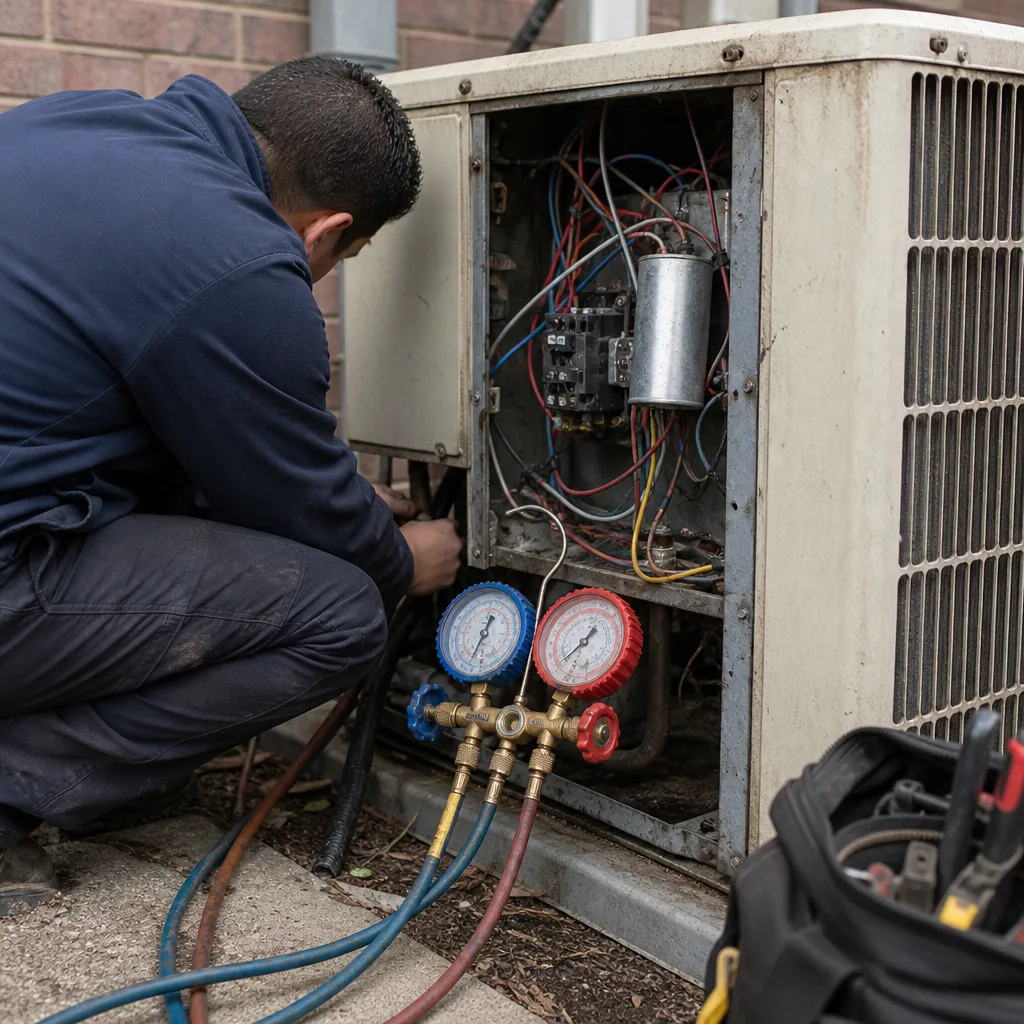 Before
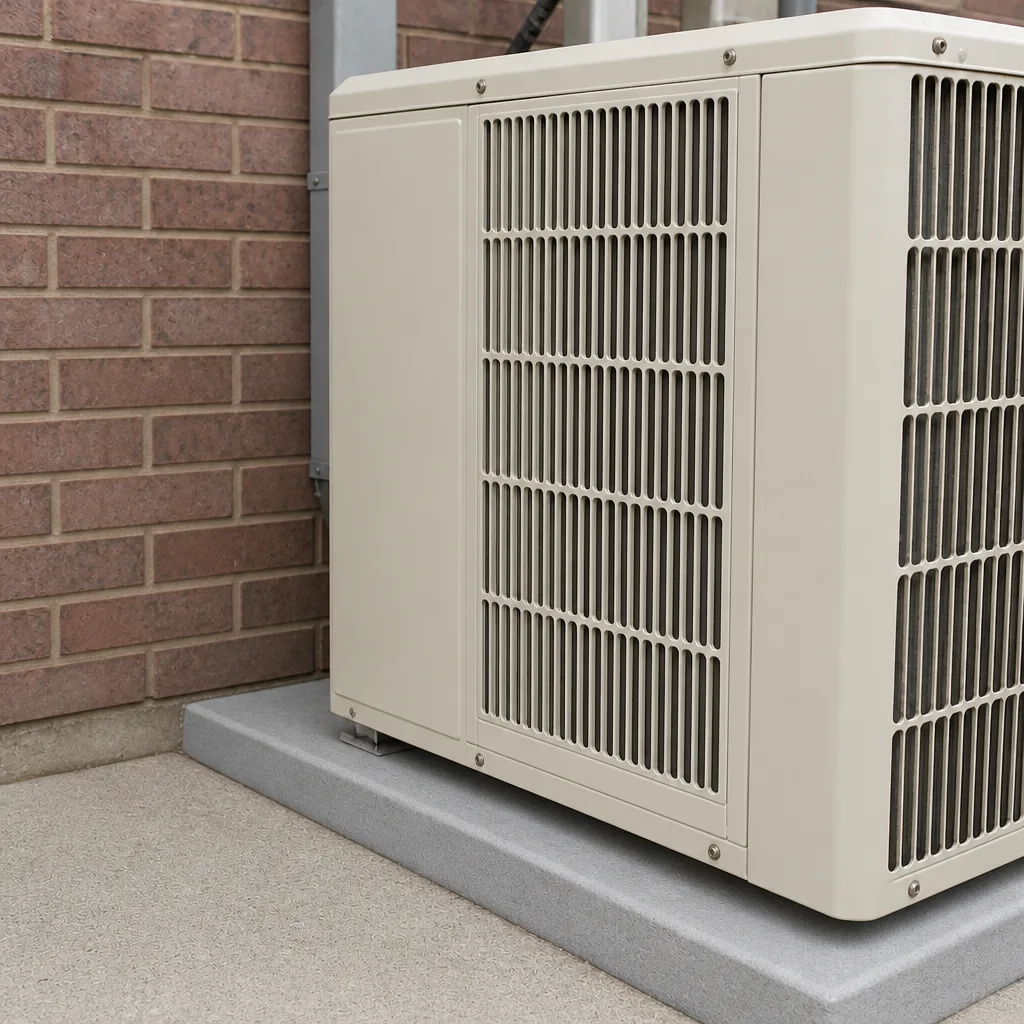 After
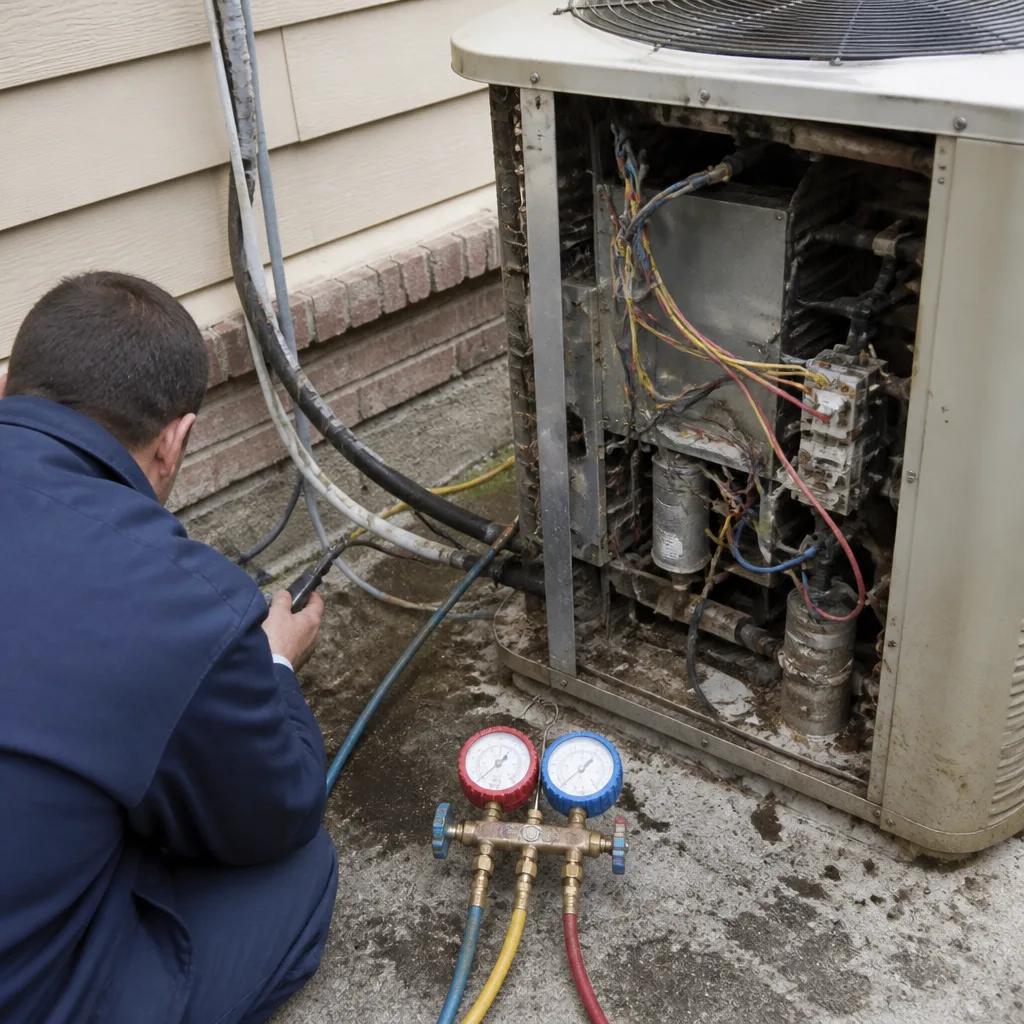 Before
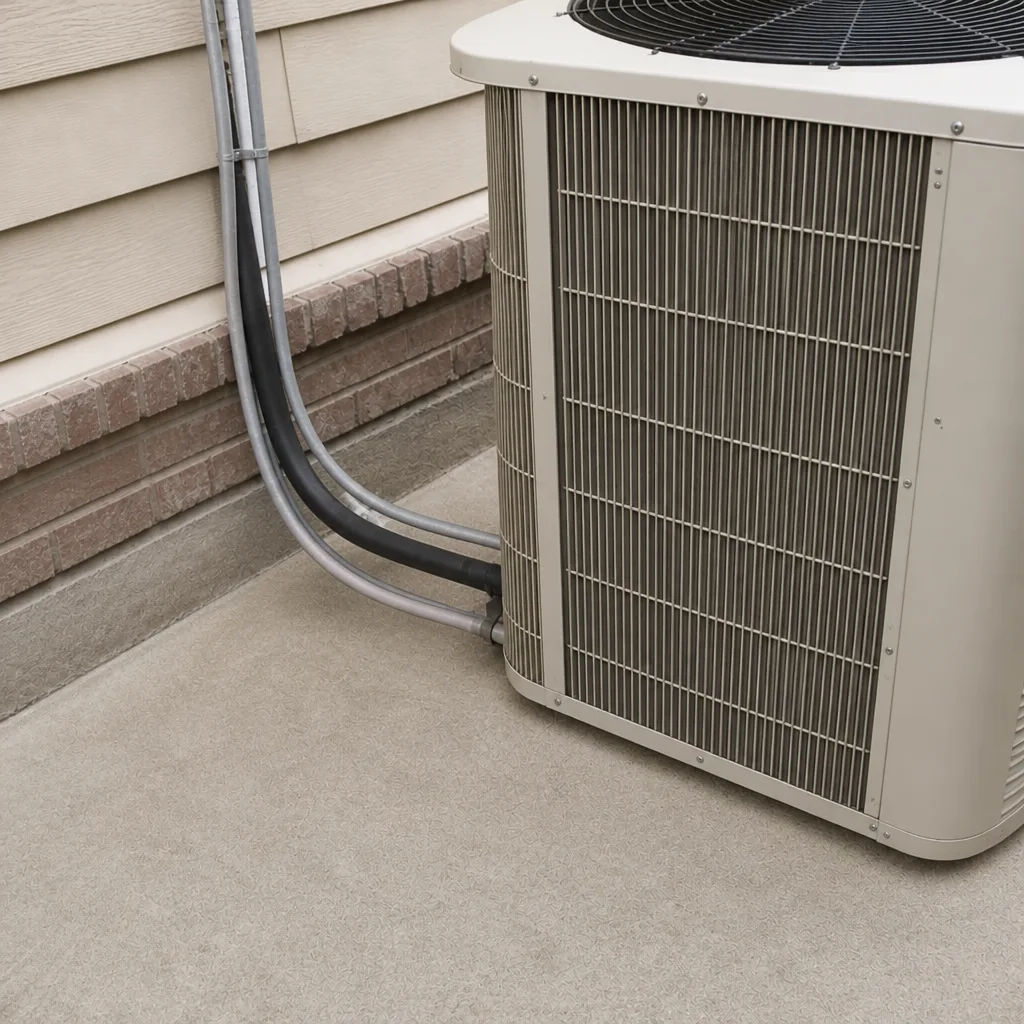 After
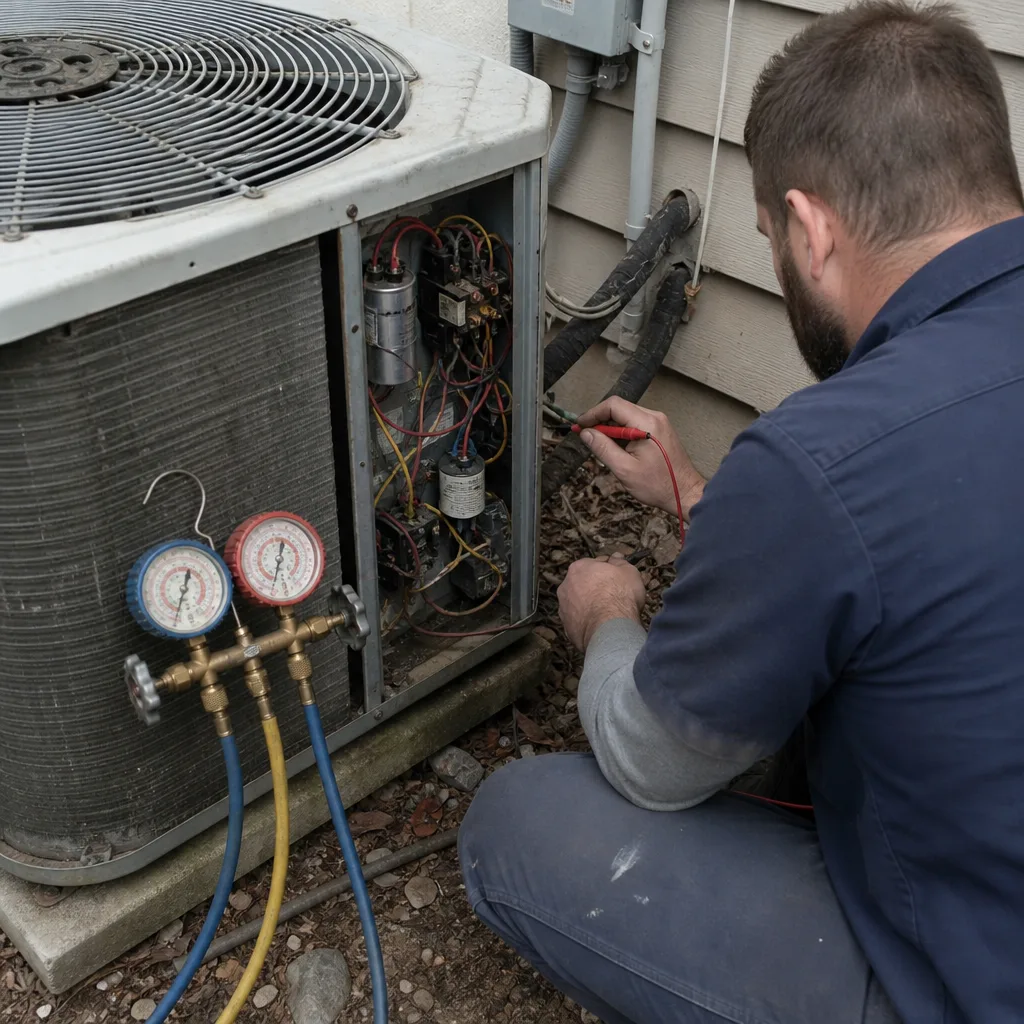 Before
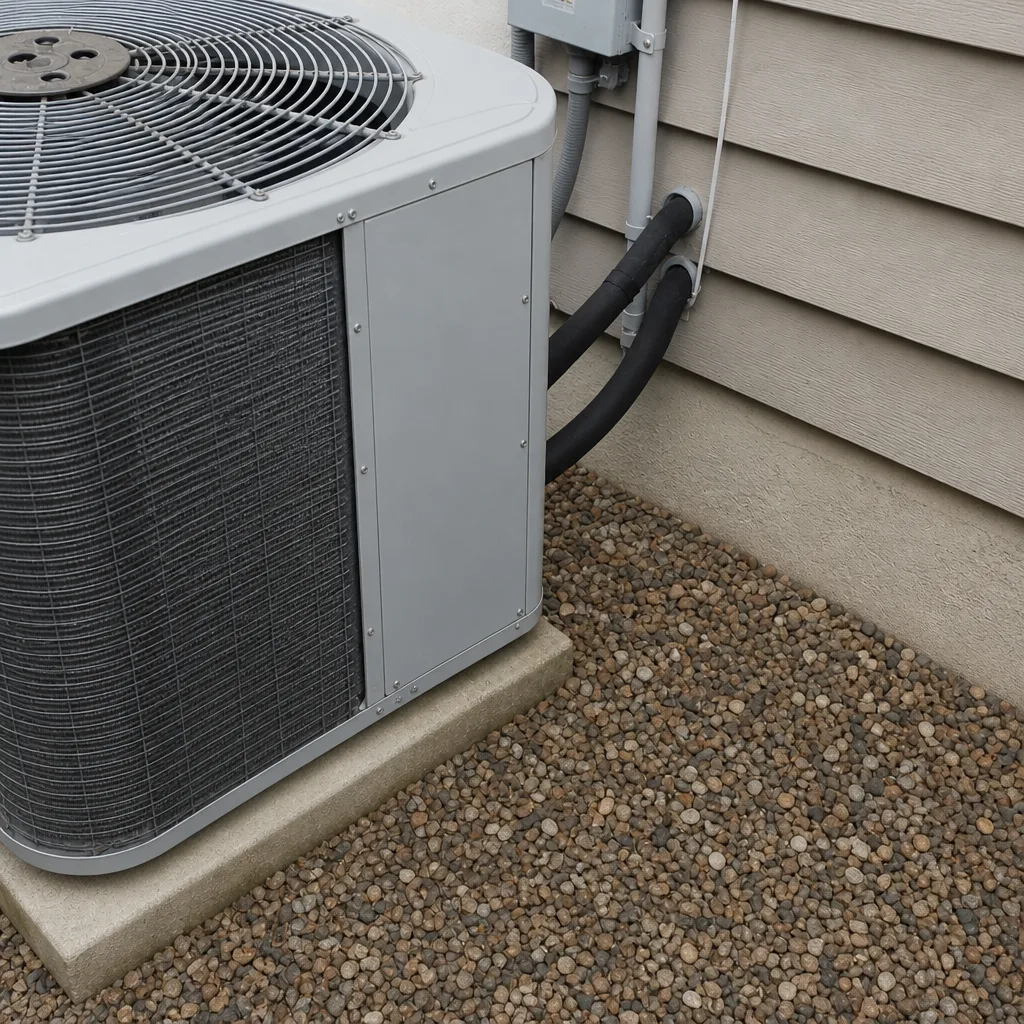 After
When to Call a Professional
Call a professional when the symptom is on the “shut it down” list: ice on the indoor coil or lines, a breaker that trips more than once, a grinding or screeching noise that doesn’t go away, a hissing or bubbling sound, or a system that runs and blows warm air for more than a few minutes. These point to refrigerant, compressor, or electrical faults that need gauges, a multimeter, and refrigerant certification to fix safely. Also call if you’ve done the thermostat and filter checks and the system still isn’t cooling – the problem is downstream of the basics and won’t resolve on its own.
What doesn’t need a same-day call: a mild rattle, a filter that needs replacing, or a thermostat battery. Those can be handled at your own pace. Rutherford AC Repair offers free estimates in Lewisville – call (844) 761-3596. We answer 24/7. Fast dispatch from 7am to 7pm, Sunday through Friday. We repair the brand you already have, and we’ll tell you if a repair is the right call or if a replacement conversation actually makes sense.
Frequently Asked Questions
A system that runs but blows warm air is failing to produce cooling at all, which usually points to low refrigerant, a compressor issue, or an electrical fault. Short cycling is the system turning on and off rapidly, which is more often an airflow restriction, a dirty condenser coil, low refrigerant, or an oversized system. They need different diagnostic paths. If you’re not sure which you have, describe what you see and hear when you call, and our team will help you sort it out.
Shut it off for ice on the indoor coil or lines, a breaker that trips more than once, a grinding or screeching sound, a hissing or bubbling sound, or a system that’s running and blowing warm air. Those symptoms can damage the compressor or present a safety risk. For a free estimate on the repair, call (844) 761-3596. We answer 24/7. Fast dispatch from 7am to 7pm, Sunday through Friday.
You can safely handle thermostat settings, filter changes, vent positions, and breaker resets (once, not repeatedly). Refrigerant work, compressor diagnostics, and any electrical work beyond a breaker reset need a trained, licensed technician because of the high voltage and refrigerant handling involved. If your checks don’t find the problem, a technician can diagnose in minutes what might take a homeowner hours of guessing.
Ice buildup is almost always low refrigerant or restricted airflow. Low refrigerant freezes the coil because the pressure drops, and restricted airflow freezes the coil because there’s not enough warm air moving across it. In a Lewisville summer, a clogged filter is the most common airflow restriction we see, and a leak is the most common refrigerant cause. Either way, shut it off and call.
Cost depends entirely on the diagnosis – a filter change is nothing, a capacitor replacement is a small repair, and a compressor replacement is a much bigger one. Because we set the price per job by the written estimate, the fastest way to a real number is a diagnosis, and the estimate is free. Call (844) 761-3596 for an exact quote.
Age alone doesn’t decide it. A system at the upper end of its life with a small repair can have years left. A system that’s had a series of repairs, trips its breaker, or has a failing compressor may not be worth another fix. We repair first and give you straight information, and we’ll tell you plainly if the math has tipped toward replacement. For a free estimate on either path, call (844) 761-3596.
The Bottom Line
The key to AC troubleshooting is matching symptoms to likely causes before you call anyone. Runs but blows warm points to refrigerant or compressor. Short cycling points to airflow, a dirty coil, or a leak. Ice points to low refrigerant or restricted airflow. Tripping breakers and grinding noises point to electrical or motor faults. Check the thermostat and filter first – those solve about one in five calls. Shut the system down for ice, tripping breakers, grinding, hissing, or warm air while running. Keep the symptom details ready, and describe them clearly when you call. That single habit is the difference between a fast diagnosis and a wasted visit.
When the checks run out, we’re one call away. Rutherford AC Repair works on the brand you already have, across Carrier, Trane, Lennox, Goodman, and the other major brands you’ll find in Lewisville homes. Straightforward diagnosis, honest options, and a free estimate. Call (844) 761-3596. We answer 24/7. Fast dispatch from 7am to 7pm, Sunday through Friday. For scheduling an install rather than a repair, our AC installation page has the details, and for everything else, start with Lewisville.
Written by the team at Rutherford AC Repair.