
Last updated November 15, 2026
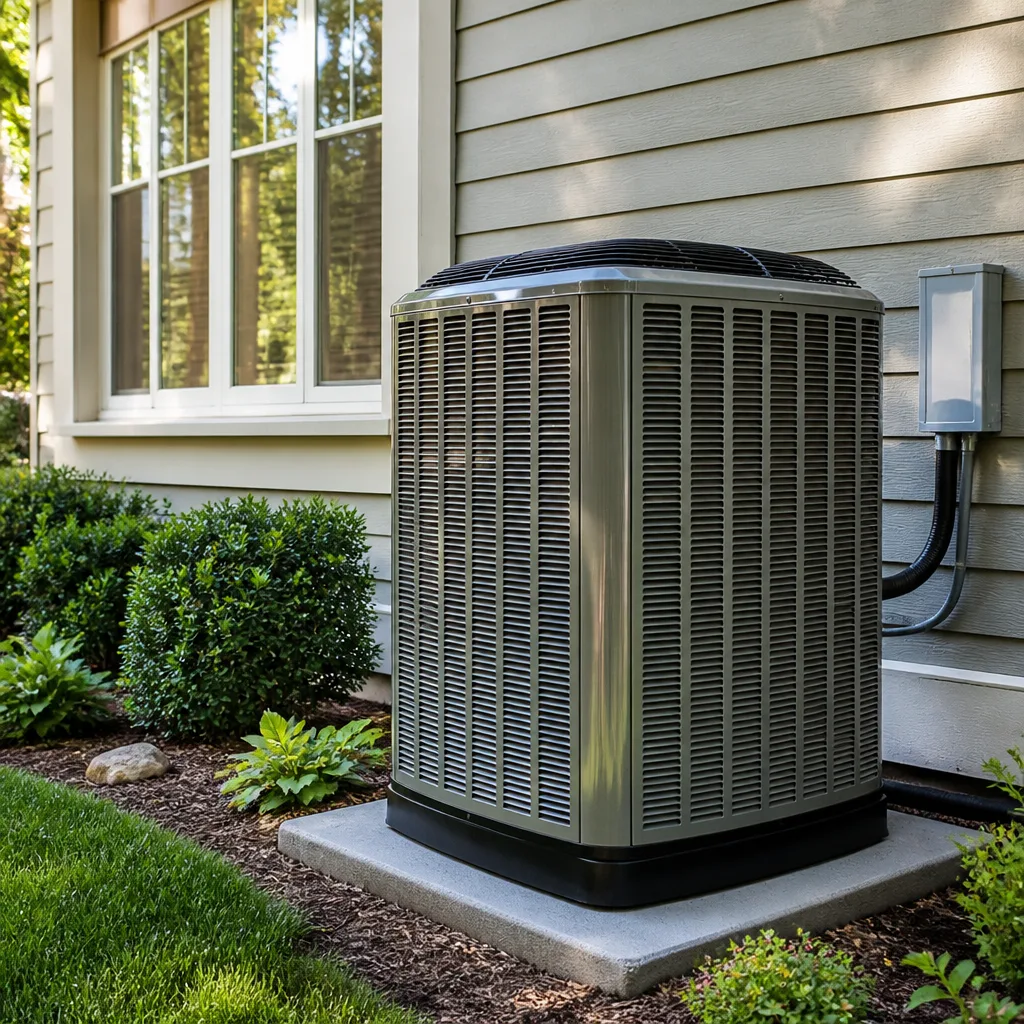 AC repair
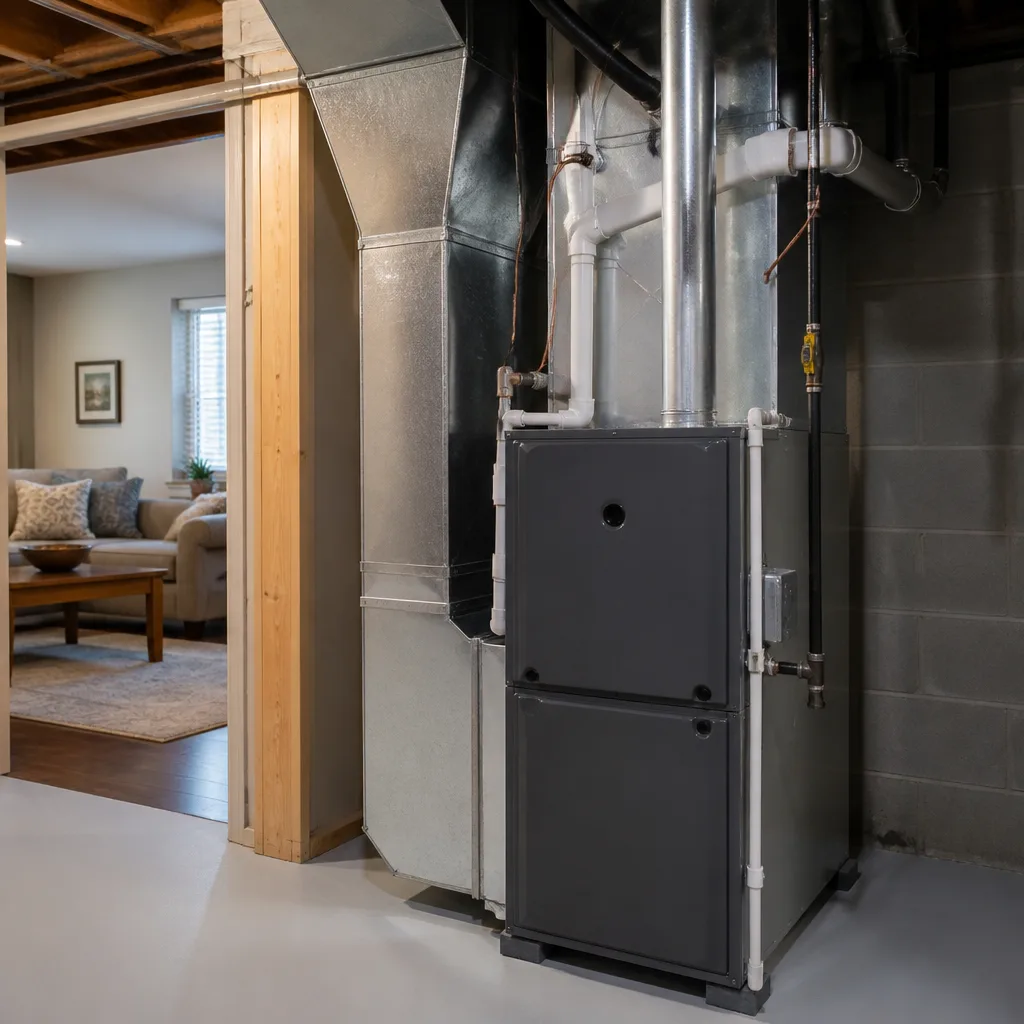 Furnace & heating
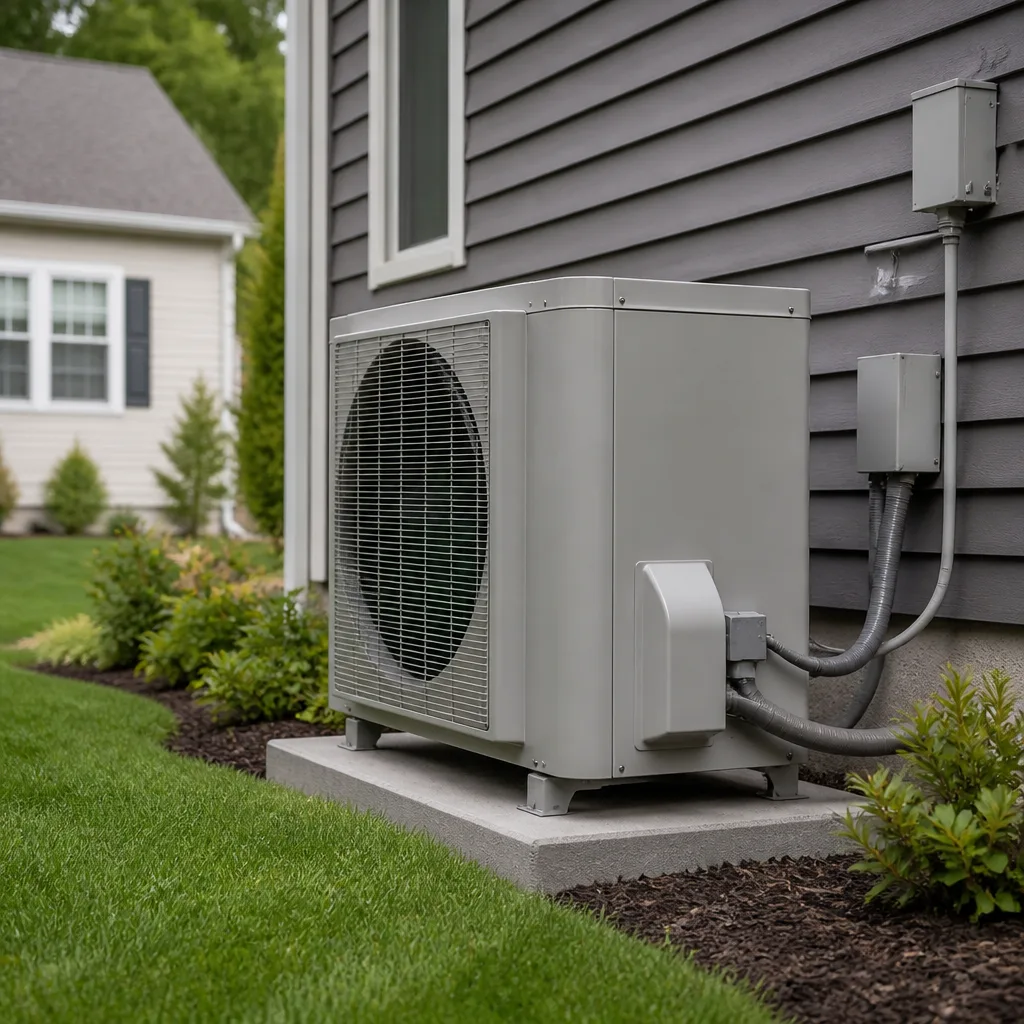 Heat pumps
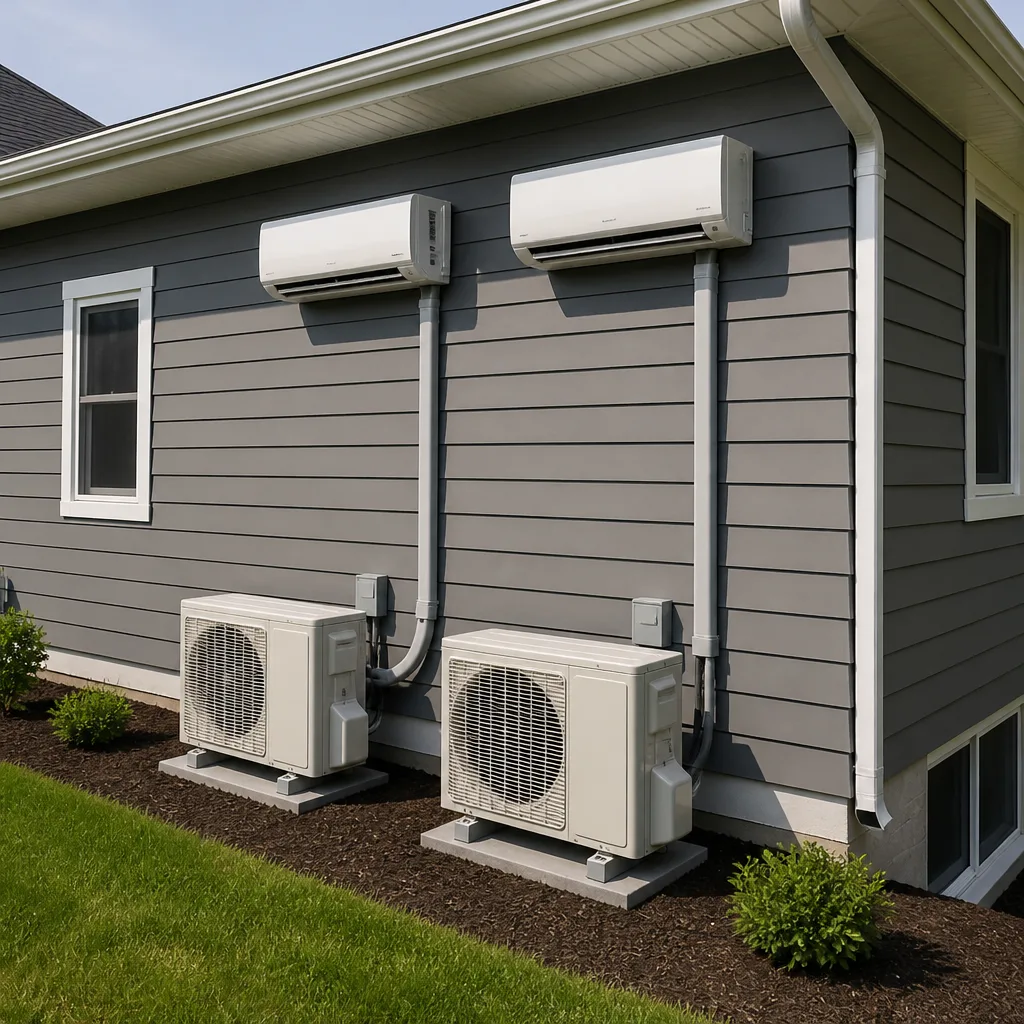 Ductless mini splits
 Carrier
 Trane
 Goodman
Seasonal tune-up and full diagnostic on your Carrier, Trane, or Goodman system - readings shown to you before any repair is proposed
Diagnosis first, numbers second - you approve the repair price before a single part goes in.
Get your free estimateHVAC Permits, Codes & Inspections in Lewisville, TX: What You Need to Know
Most homeowners think of a permit as paperwork. It isn’t. In Texas, an HVAC permit is the only mechanism that puts a licensed inspector between your family and a contractor who wired a disconnect incorrectly, undersized a refrigerant line, or skipped the load calculation entirely. The work runs fine for a season, maybe two, and then it surfaces in the one place you can’t avoid it: a home inspection report years later, with your buyer holding it. This guide covers exactly which HVAC jobs in Lewisville require a City of Lewisville permit, which are exempt, how TDLR licensing fits in, what inspectors actually check, and how to find out whether previous work on your property was ever permitted.
Quick Answer
In Lewisville, replacing an HVAC system, installing new equipment, or making major modifications to the refrigerant circuit generally requires a City of Lewisville permit and inspection, while routine repairs, filter changes, and like-for-like part swaps typically do not. The permit requirement is separate from Texas Department of Licensing and Regulation (TDLR) licensing, which applies to the individual technician doing the work. If a previous owner installed equipment without a permit, that gap can surface during a home sale, and it has to be resolved before closing or disclosed.
Styles & brands we work with
- AC repair
- Furnace & heating
- Heat pumps
- Ductless mini splits
- Carrier
- Trane
- Goodman
Table of Contents
- Which HVAC Jobs Need a Lewisville Permit and Which Don’t
- How TDLR Licensing Interacts With Lewisville Permits
- What an HVAC Inspection Actually Checks
- The Most Common Inspection Failures
- How to Check if Previous Work Was Permitted
- Selling a Home With Unpermitted HVAC Work
- Why Lewisville’s Climate Makes This Matter
- How to Hire a Contractor Who Pulls Permits
Which HVAC Jobs Need a Lewisville Permit and Which Don’t
The dividing line is scope, not cost. A $600 repair sometimes needs no permit while a $300 part swap on the wrong system does. What triggers the requirement is whether the work changes the equipment, the refrigerant circuit, the electrical supply, or the duct system in a way that alters the system’s design or capacity.
Jobs that typically require a City of Lewisville permit:
- Full system replacement – swapping out a condensing unit, air handler, or both, even if the new equipment is the same size and brand as the old.
- New installation – adding a system to a home that didn’t have one, or adding a second zone or mini-split.
- Refrigerant line replacement or relocation – new line sets, re-routing lines, or changing line sizes.
- Electrical disconnect work – installing a new disconnect, changing the breaker feeding the outdoor unit, or running new high-voltage wiring to the equipment.
- Duct system replacement – full duct replacement or major redesign, as opposed to sealing or repairing a section.
- Equipment relocation – moving an outdoor unit or air handler to a different location on the property.
Jobs that typically don’t require a permit:
- Replacing a capacitor, contactor, blower motor, or control board with a like-for-like part.
- Recharging refrigerant after a leak repair, or finding and sealing a leak.
- Cleaning coils, changing filters, or checking the refrigerant charge.
- Thermostat replacement, including smart thermostats, when no new wiring is run.
- Sealing duct joints and small duct repairs.
Two things get homeowners in trouble here. First, “same size, same brand” replacement is still a replacement, and it still needs a permit in Lewisville. Second, some contractors quote a replacement as a “repair” to skip the permit and save a few hours of paperwork, which shifts all the risk to you. If you’re ever unsure whether your specific job needs a permit, the City of Lewisville’s building department can answer that question in a phone call, and it’s worth the call before work starts. Our team at Rutherford AC Repair pulls permits on every job that requires one, and we’ll tell you plainly when your job doesn’t need one.
How TDLR Licensing Interacts With Lewisville Permits
Two separate regulatory systems apply to HVAC work in Lewisville, and homeowners often confuse them. TDLR licenses the people doing the work at the state level. The City of Lewisville issues the permit and inspects the finished work at the local level. You need both to be in order, and neither one replaces the other.
TDLR’s Air Conditioning and Refrigeration licensing program regulates the individual technicians and the contracting companies that hire them. That means any technician touching your refrigerant circuit, gas furnace connections, or system electrical should be able to show a current TDLR license. This applies whether the job is a minor repair or a full installation. If a technician can’t produce a license, you’re not just dealing with unpermitted work, you’re dealing with unlicensed work, and that carries a whole different set of problems if the equipment fails or someone gets hurt.
The city permit is the piece that puts a third party in the room. When a permit is pulled for an HVAC job in Lewisville, the city schedules an inspection of the finished work. That inspection is where the details actually get checked: electrical connections, line sizing, condensate routing, equipment clearances, furnace venting. The TDLR license confirms the person doing the work is legally allowed to. The permit confirms the work itself meets code.
In practice, this means hiring decisions come down to asking two questions up front:
- Can you show your TDLR license, and is the company licensed as an HVAC contractor?
- Will you pull a City of Lewisville permit for this job, and will you provide the permit number before work starts?
A legitimate contractor answers both without hesitation. A contractor who hedges on either one is telling you something. The company we run is brand-agnostic and works on whatever system is already in the home, and we treat these two questions as basic due diligence, not an inconvenience.
What an HVAC Inspection Actually Checks
An HVAC inspection in Lewisville is a code-compliance inspection, not a performance test. The inspector isn’t there to tell you whether your system will keep up in August; it’s there to confirm the installation matches the permitted scope and meets the mechanical code the city has adopted.
Most inspections touch these items:
- Equipment nameplate and match – the model and serial numbers on the installed equipment match what was permitted, and the indoor and outdoor units are a rated combination.
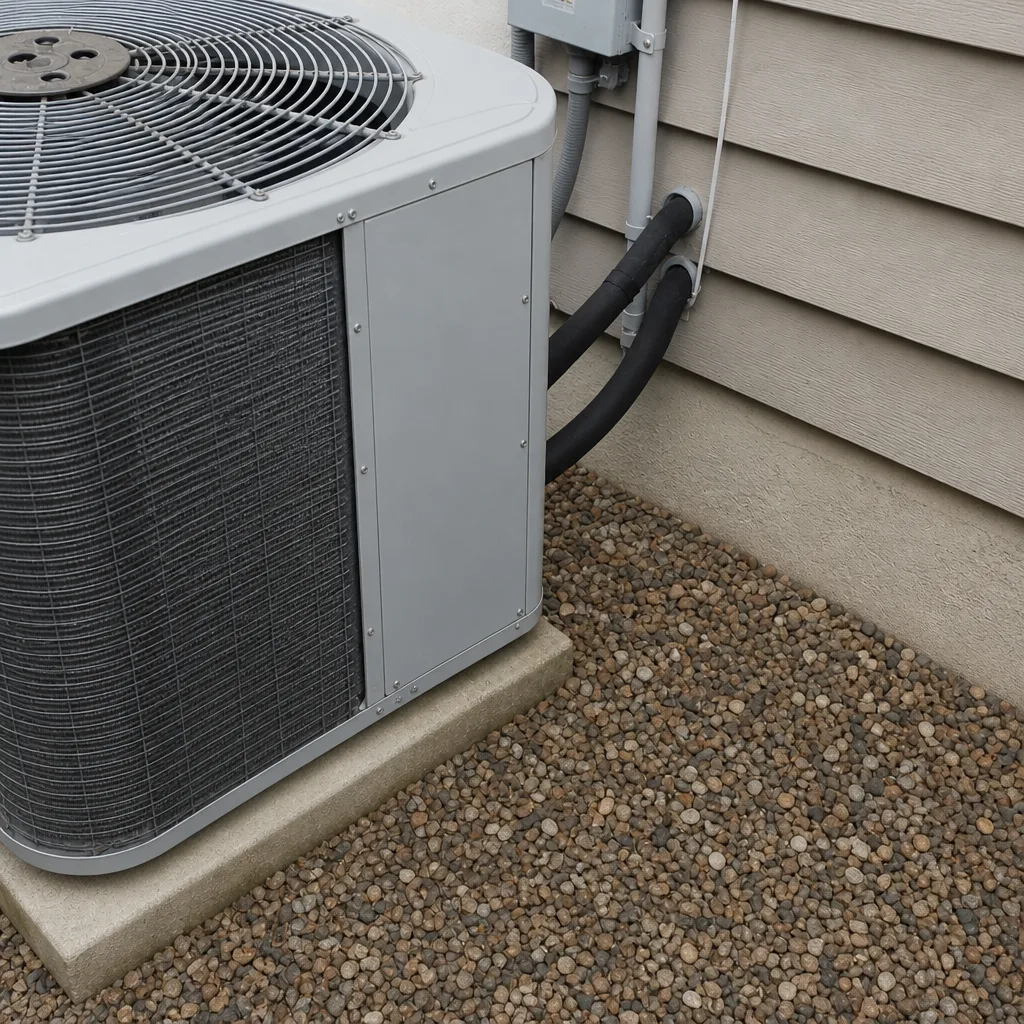
- Electrical connections – disconnect is present, correctly sized, and within sight of the outdoor unit; wiring is protected in conduit where required; breaker size matches the equipment rating.
- Refrigerant piping – line sizes match the manufacturer’s spec for the equipment; lines are properly insulated and supported; no exposed joints where they shouldn’t be.
- Condensate management – primary drain is trapped and sloped; secondary drain or float switch is present and functional.
- Furnace venting and combustion – vent type and slope match the furnace category; clearances to combustibles are respected; combustion air is available.
- Equipment clearances and access – the outdoor unit has the clearances required for airflow and service access; the air handler is accessible for future service.
- Load documentation – a load calculation supporting the equipment size, which most jurisdictions expect on a replacement of a different capacity.
- Duct connections and sealing – connections at the air handler and any new ductwork are sealed and supported.
Inspectors often want to see the install before the system is completely closed up. That means the contractor needs to coordinate timing, which is another reason we don’t advertise same-day replacement. Installations get scheduled, permits get pulled, and inspection timing gets planned as part of the job, not squeezed in around it. When we set up AC installation in Lewisville, the written estimate and install date come with the permit handled up front.
The Most Common Inspection Failures
When an inspection fails, it’s rarely because the whole job was wrong. It’s usually a detail that got rushed. In our experience, the same handful of items come up again and again:
- Missing or undersized electrical disconnect. The disconnect is required within sight of the outdoor unit and sized to the equipment. A reused disconnect from the old system often doesn’t match the new equipment’s rating.
- Incorrect refrigerant line sizing. New high-efficiency equipment has tighter line-size requirements than what was common twenty years ago. A contractor who reuses the existing line set without checking the manufacturer’s spec can fail on line size alone.
- Condensate drain with no secondary protection. The primary drain trap is often correct but the secondary drain or float switch is missing. In a Lewisville attic, that omission is exactly what causes ceiling damage during cooling season.
- Furnace venting errors. Using the wrong vent category, wrong slope, or wrong termination for the furnace. This one fails and it also matters for safety, so it isn’t just a paperwork problem.
- Improper equipment clearances. The outdoor unit is set too close to a wall, fence, or another unit, which limits airflow and fails clearance requirements.
- No load calculation on file. A replacement that changes capacity without supporting documentation often gets sent back for more information.
Failing an inspection isn’t the end of the job, but it delays the sign-off, and if the contractor has already been paid, it can stall out. The checklist worth keeping in mind: every one of these is caught by the inspector, and every one of them is cheaper to get right the first time.
How to Check if Previous Work Was Permitted
You can find out whether an HVAC installation on your Lewisville property was permitted, and the answer lives in the City of Lewisville’s public records. Whether you’re buying, selling, or just want to know what’s in your home, here’s how the process usually goes:
- Look at the outdoor unit’s nameplate. It carries the model and serial numbers, and manufacturers encode the production date in the serial number. That gives you a rough year of manufacture, which is a starting point for how far back to search.
- Contact the City of Lewisville building department. Ask for permit history on your address. Permits pulled on the property are public record, and the department can tell you whether a mechanical permit was issued for the year the equipment was installed.
- Request inspection records on any permit you find. A permit that was pulled but never passed inspection is different from a permit that was pulled and signed off. The record should show both.
- Compare the records against the installed equipment. If the permit history shows no HVAC permit and the equipment nameplate says it was built recently, that’s a signal something was done without a permit.
- Ask a TDLR-licensed HVAC contractor to document what’s actually installed. A technician who knows the equipment can tell you whether the install matches what you’ve been told, and can put that in writing.
If the records show the work was never permitted, that doesn’t automatically mean it needs to be redone. Sometimes the installation is fine and only the paperwork was skipped. Sometimes the equipment or connections aren’t code-compliant. The only way to know is to have a licensed technician look at it. In our experience, a straight diagnosis is usually less expensive than homeowners fear, and it’s a lot cheaper than finding out during a closing.
Selling a Home With Unpermitted HVAC Work
Unpermitted HVAC work shows up in a home inspection report sooner or later, and when it does, it becomes a negotiation point. Buyers and their agents treat unpermitted mechanical work carefully, and lenders sometimes require resolution before the loan closes. The good news: the situation is almost always solvable, and the fix is straightforward if it’s handled early.
Here’s the path we’d recommend if you find out about it:
- Disclose it up front. If you know the HVAC installation wasn’t permitted, say so in the seller’s disclosure. Disclosing is usually cheaper than the buyer finding it later, because buyers tend to assume the worst when a known issue is buried.
- Get an inspection by a licensed HVAC contractor. You need a documented assessment of what’s actually installed and whether it meets code. This is the piece that turns a vague worry into a specific list.
- Ask the City of Lewisville what’s required to bring it into compliance. Sometimes the city will permit the existing installation after an inspection; sometimes specific corrections are needed first. Either way, find out before the buyer’s inspector does.
- Correct what needs correcting and get it inspected. This is where a licensed contractor with TDLR credentials and permit experience is worth the cost. It turns the issue into a documented, resolved item that the buyer can see signed off.
- Provide the paperwork to the buyer’s agent. A permit and passed inspection report is far stronger than a verbal assurance that “the HVAC was done by a professional.”
If you’re already under contract and the inspection report just landed, this becomes time-sensitive. Call a licensed contractor first, before the buyer’s agent does, so you know exactly what you’re dealing with and what it will cost to fix. Rutherford AC Repair handles AC repair in Lewisville and surrounding areas and can put a documented assessment in writing.
Why Lewisville’s Climate Makes This Matter
Lewisville sits in the middle of one of the more demanding cooling climates in the country, and that shapes what code compliance actually means here. Long summers mean the equipment runs hard for months, and installation errors that would go unnoticed in a mild climate turn into early equipment failures.
Three of these errors matter most in the Lewisville area:
- Refrigerant line sizing. A system sized slightly wrong on the line set loses capacity and works harder. In our summers, that translates to higher bills and a shorter lifespan, and the installer’s mistake gets blamed on the brand of equipment.
- Condensate management. Central Texas humidity means a lot of condensate, and a system with no secondary drain or float switch can overflow into an attic or ceiling during the hottest weeks.
- Load-calculated sizing. An oversized system short-cycles and doesn’t dehumidify well; an undersized system runs continuously. In this climate, the discomfort from an oversized system is real and noticeable, and it’s often a sign nobody did a load calculation.
Winters here are mild, which means furnace problems are less frequent than cooling problems, but they aren’t negligible. Furnace venting and combustion safety are still checked at inspection, and they still matter on the handful of cold nights Lewisville gets each year. If you need Lewisville homeowners often ask us whether they need year-round attention on both systems. The answer is yes, and the reason is that a furnace that sat idle from March to November needs a check before you trust it in December.
How to Hire a Contractor Who Pulls Permits
The contractor you hire determines whether you deal with permits and inspections or with the consequences of skipping them. Most licensed HVAC companies pull permits as standard practice, and the ones that don’t have a reason. Here’s how to tell the difference before you sign anything.
- Ask for the TDLR license number in writing. The company and the individual technicians doing the work should both be covered. Verify the license with TDLR directly if you want to be thorough.
- Ask whether a permit is required for your specific job. A good contractor will tell you plainly if the job needs a permit and why. If they say “we don’t bother with permits for that,” that’s a signal.
- Compare written estimates on scope, not just price. The estimate should spell out equipment model numbers, line set replacement or reuse, disconnect work, condensate protection, and permit fees if applicable. A lower bid that ignores half the scope isn’t actually lower.
- Confirm who handles the inspection. The contractor should schedule the inspection and be present for it, not leave it to you.
- Check whether the company is brand-agnostic. A contractor who only works on one manufacturer’s systems has less incentive to repair what you have. We’re factory-familiar with nine of the most widely installed residential brands, including Bryant, American Standard, Carrier, and Trane, which covers most of what’s actually in Lewisville homes.
- Ask what the repair-first approach looks like for your situation. If every contractor you call recommends full replacement on a ten-year-old system, get a second opinion from one whose default is repair.
For jobs that involve gas furnaces, electrical panels, or refrigerant handling, we recommend having a licensed technician look at it rather than attempting any of it yourself. These components carry real injury risk, and the permit process exists partly because unlicensed work on them has caused serious harm. There’s also a cost angle: an unlicensed repair that fails inspection later usually costs more to correct than the original repair would have cost to permit.
Common Mistakes to Avoid
- Assuming same-size replacement is exempt. A like-for-like AC replacement in Lewisville still needs a permit. Contractors sometimes describe it as a “repair” to avoid the paperwork, and that shifts the risk to you.
- Skipping the load calculation because the old system “worked fine.” A system that ran fine for twenty years may have been oversized the whole time, and simply matching its capacity on a new install carries the same problem forward. Load calculations cost time and are the reason a permit for a replacement sometimes takes an extra step.
- Reusing the old disconnect and line set without checking sizes. New equipment has tighter specs than older equipment. Reusing without verifying is one of the most common inspection failures.
- Not verifying TDLR licensing for the individual technicians. The company can be licensed while a subcontractor on the job isn’t. Ask whether the technicians on your job are covered.
- Forgetting the secondary condensate protection. Central Texas humidity makes this one of the details that matters most, and it’s one of the easiest to skip.
- Buying a home without checking permit history. If you’re in escrow on a Lewisville property with a recently replaced HVAC system, pull the permit record before you close. It takes a phone call.
- Failing to disclose known unpermitted work. Buyers and lenders treat nondisclosure much more harshly than they treat a disclosed, documented fix.
See the difference
 Before
 After
 Before
 After
 Before
 After
When to Call a Professional
Call a licensed HVAC contractor for anything involving refrigerant handling, electrical disconnects or gas furnace connections, and for any replacement or new installation. These are the jobs that carry injury risk, code exposure, and permit requirements, and none of them are do-it-yourself territory. Call one too if you’re buying a home and want an assessment of the HVAC installation, or if you’re selling and an inspection report just flagged unpermitted work. And call one if a previous installation looks questionable to you and you need a documented answer. Rutherford AC Repair offers free estimates in Lewisville. Call (844) 761-3596. We answer 24/7. Fast dispatch from 7am to 7pm, Sunday through Friday.
Frequently Asked Questions
Yes. Replacing an AC unit in Lewisville generally requires a City of Lewisville permit and a passed inspection, even when the new unit is the same size and brand as the old one. The permit requirement applies to the equipment replacement itself and to any associated disconnect, line set, or duct work completed as part of the job. Call (844) 761-3596 for a free estimate and we’ll tell you exactly what your job needs.
Skipping the permit doesn’t stop the installation from working, but it creates a record problem that tends to surface years later. The work was never inspected, which means any code problems are still there and are now yours. In a sale, the missing permit shows up when the buyer’s inspector checks, and it becomes a negotiation item. Fixing it later usually costs more than doing it right the first time. Call (844) 761-3596 to get a documented assessment of an existing installation.
TDLR licensing applies to the individual technicians and companies doing the work at the state level, while the City of Lewisville permit and inspection applies to the work at the local level. The two systems are separate and both apply. A properly licensed contractor should show a current TDLR license and pull a Lewisville permit on any job that requires one. Call (844) 761-3596 to confirm your job qualifies for both.
You can find permit history through the City of Lewisville building department by requesting records on your address, then comparing the permit records against the model and serial numbers on your equipment’s nameplate. If the permit history shows nothing and the equipment is recent, that’s a signal the work may have been done without a permit. A licensed technician can document what’s actually installed for a second piece of evidence. Call (844) 761-3596 for a free estimate on an assessment.
Disclose it if you know about it, get a licensed contractor’s written assessment, and ask the City of Lewisville what’s needed to bring it into compliance. In many cases the installation is fine and only the permit was skipped, and the fix is paperwork plus an inspection. In other cases specific corrections are needed. Either way, resolving it with a permit and signed inspection is far stronger than a verbal assurance. Call (844) 761-3596 to get the assessment started.
Most routine repairs are exempt, including capacitor, contactor, blower motor and control board replacement, leak repair and recharge, thermostat replacement, and duct sealing. What isn’t exempt is anything that changes the equipment, the refrigerant circuit, the electrical supply, or the duct design. If you’re unsure which side of the line your job falls on, ask the City of Lewisville building department directly. Call (844) 761-3596 if you’d like us to walk through the scope with you first.
The Bottom Line
A permit isn’t bureaucratic overhead. In Lewisville, it’s the only step that puts a licensed inspector between you and an HVAC installation error, and it’s the one thing that protects you when the home eventually changes hands. Replacements, new installs, line set changes, disconnect work, and duct replacement need permits; routine repairs usually don’t. TDLR licensing applies to the people, the city permit applies to the work, and both need to be in order. If you suspect a previous installation was never permitted, pull the record before it becomes someone else’s problem. Our team at Rutherford AC Repair works on the brand you already have, repair-first by default, and we pull permits on every job that requires one. Call (844) 761-3596 for a free estimate.
Written by the team at Rutherford AC Repair.